

Plantar Fasciitis Treatment in Brooklyn for Heel Pain & Running Injuries
If you’re searching for plantar fasciitis treatment in Brooklyn, you’re likely dealing with sharp heel pain with your first steps in the morning, stiffness after sitting, or symptoms that worsen with activity — making walking, standing, or returning to running difficult.
Plantar fasciitis is one of the most common causes of heel pain and can become persistent if not properly addressed.
At Form & Function Chiropractic in Brooklyn, treatment focuses on reducing pain, restoring tissue capacity, and preventing recurrence using a combination of regenerative therapy and load-based rehabilitation.
What Is Plantar Fasciitis?
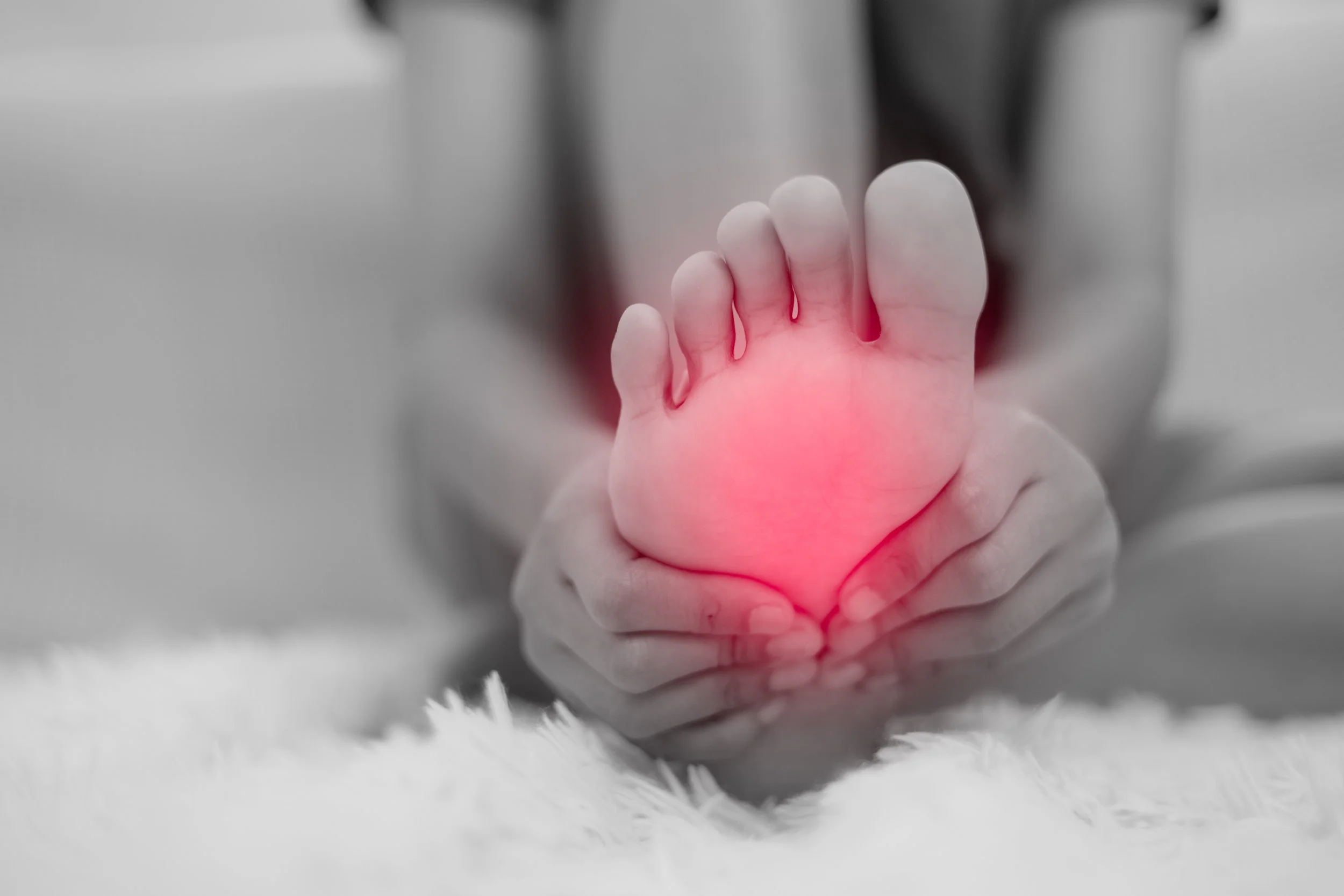
Plantar fasciitis is a condition involving irritation and degeneration of the plantar fascia, a thick band of tissue that supports the arch of the foot.
It is not simply inflammation — it is typically a load-related tissue problem.
What Causes Plantar Fasciitis?
Plantar fasciitis develops when the load placed on the foot exceeds the tissue’s ability to tolerate it.
LOAD > CAPACITY = PAIN
Common contributors include:
sudden increase in running or walking volume
prolonged standing or walking on hard surfaces
limited ankle mobility
calf tightness and weakness
poor foot strength and control
improper footwear or load distribution
Common Symptoms of Plantar Fasciitis
sharp heel pain (especially first steps in the morning)
pain after prolonged sitting
discomfort with walking or running
tenderness at the heel
symptoms that improve, then return
Why Rest, Stretching, and Orthotics Alone Aren’t Enough
Many treatments focus only on symptom relief:
rest
stretching
orthotics
While these may help temporarily, they do not restore:
tissue capacity
strength
load tolerance
This is why symptoms often return.
Why Plantar Fasciitis Keeps Coming Back
Plantar fasciitis often becomes chronic because symptoms improve before the tissue is fully recovered.
Common reasons include:
relying only on rest or stretching
not restoring foot and calf strength
poor load progression
returning to activity too quickly
If tissue capacity is not rebuilt, the same stress will reproduce symptoms.
How We Treat Plantar Fasciitis in Brooklyn
Treatment is built around a structured, multi-layered approach designed to reduce pain, restore tissue capacity, and prevent recurrence.
This is not a one-size-fits-all protocol — it is guided by precise tissue diagnosis and how your foot responds to load.
Step 1: Reduce Pain & Improve Tissue Response
In the early phase, treatment focuses on calming irritation and improving how the plantar fascia responds to stress.
This may include:
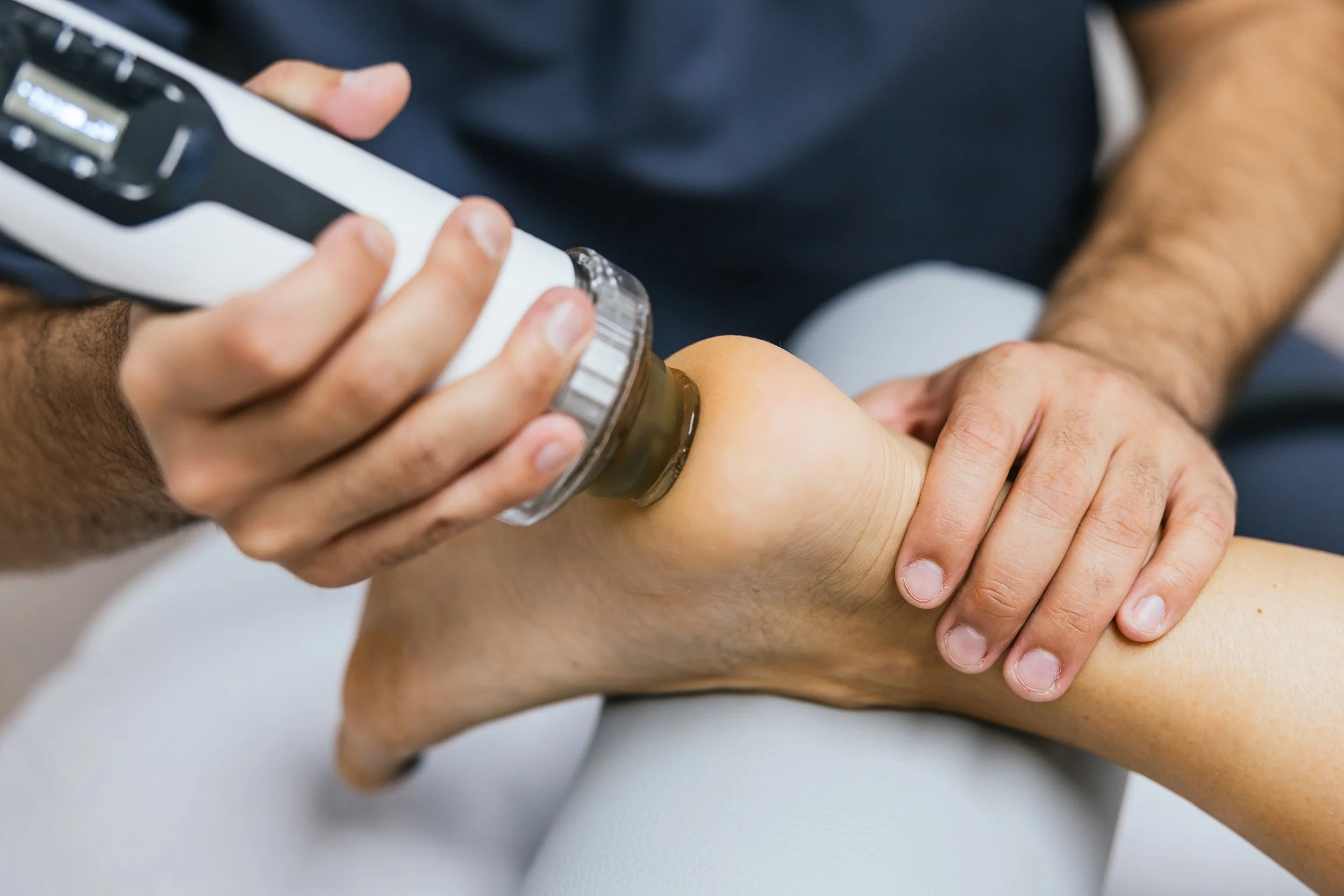
focused shockwave and radial pressure wave therapy to reduce pain and stimulate tissue remodeling
EMTT to improve cellular activity and healing response
laser therapy to support recovery and reduce inflammation
These therapies help create a better environment for healing — but they are not the solution on their own.
Step 2: Restore Strength & Load Capacity
Plantar fasciitis is not just a pain problem — it is a capacity problem.
Treatment focuses on rebuilding how the foot and lower limb tolerate load.
This includes:
foot intrinsic muscle strengthening
calf and Achilles loading
ankle mobility and control
single-leg stability and load tolerance
Functional Range Conditioning® (FRC®) to improve joint strength, control, and tissue resilience under load
Step 3: Address Biomechanics & Load Distribution
How you move directly affects how stress is placed on the plantar fascia.
Care may include:
gait and walking analysis
running biomechanics (if applicable)
load management strategies
footwear and activity modification when needed
Step 4: Return to Walking & Running Without Re-Injury
Returning to walking or running too quickly is one of the main reasons plantar fasciitis becomes persistent — especially in runners increasing mileage or intensity too soon.
A structured progression ensures:
tissue tolerance is restored
running load and volume are increased gradually
impact forces are reintroduced safely
recurrence risk is reduced
For runners, this includes a guided return-to-run progression based on symptoms, tissue response, and training load — not just time.
The goal is not just to reduce heel pain — it’s to build a stronger, more resilient foot that can handle real-world activity and performance demands.
Return-to-Running Strategy and Load Progression
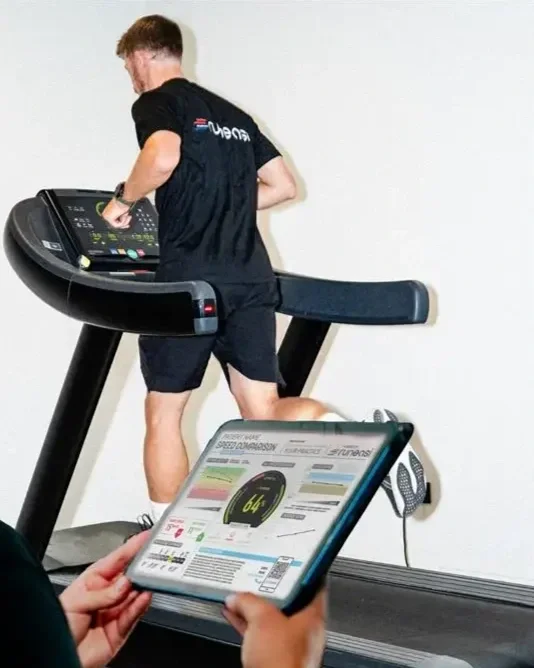
Many running injuries are influenced by stride mechanics, cadence, terrain exposure, and training progression.
When appropriate, biomechanical running gait analysis and individualized return-to-running coaching may be incorporated to help improve load tolerance and reduce reinjury risk.
👉 Explore our running gait analysis and performance coaching services
Conditions That Can Mimic Plantar Fasciitis
Heel pain may also involve:
calcaneal stress reaction or stress fracture
heel fat pad irritation
Achilles tendon overload
Baxter’s nerve irritation
posterior tibial tendon dysfunction
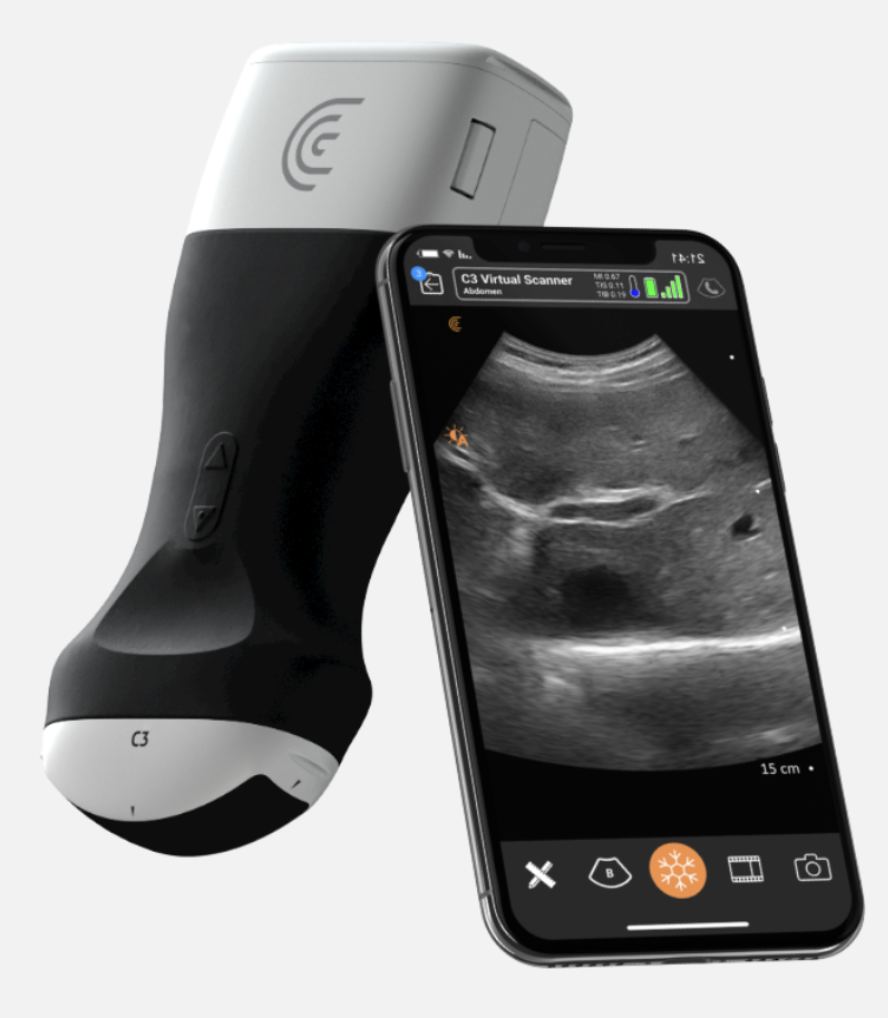
When clinically indicated, Clarius MSK diagnostic ultrasoundmay be used to evaluate the plantar fascia and surrounding soft tissues in real time.
Frequently Asked Questions about Plantar Fasciitis
-
There is no true shortcut.
The most effective approach combines:
load management
progressive strengthening of the foot and calf
regenerative therapies such as shockwave and EMTT
Rest and stretching alone may reduce pain temporarily, but they do not restore tissue capacity — which is why symptoms often return.
-
Pain is worse with the first steps because the plantar fascia stiffens overnight and is suddenly loaded when you stand.
As the tissue warms up, symptoms may improve — but often return later in the day with continued activity.
-
Yes — but it needs to be done appropriately.
Stretching can help reduce stiffness and provide short-term relief, especially for morning pain. However, stretching alone does not fix plantar fasciitis.
Overstretching or relying on stretching without strengthening can delay recovery.
-
Orthotics can reduce stress on the plantar fascia and provide temporary relief.
However, they do not address the underlying cause, which is often related to load capacity, strength, and movement mechanics.
They should be used as a support — not the primary solution.
-
Not necessarily.
Heel spurs are common and often not the source of pain.
Many people have heel spurs without symptoms, while others have plantar fasciitis without a spur.
Pain is usually related to how the plantar fascia is being loaded — not the presence of a spur.
-
Yes — especially in chronic or stubborn cases.
Shockwave therapy can:
reduce pain sensitivity
stimulate tissue healing
improve recovery
It is most effective when combined with a structured rehabilitation program.
-
EMTT is a high-energy electromagnetic therapy that works at the cellular level.
It helps:
improve tissue healing response
support fascia remodeling
enhance recovery in persistent cases
It is often combined with shockwave therapy for better outcomes.
-
Not always — but when needed, it can be performed in-office.
Using Calrius MSK diagnostic ultrasound, the plantar fascia can be assessed in real time for:
thickening
degeneration
irritation
This helps guide more precise treatment decisions.
-
Most cases improve within:
4–8 weeks for mild to moderate cases
longer for chronic or recurring symptoms
Recovery depends on consistency, proper loading, and avoiding premature return to full activity.
-
It often returns because pain improves before the tissue is fully recovered.
Common reasons include:
relying only on rest or stretching
not restoring strength and load capacity
returning to activity too quickly
not addressing movement and biomechanics
If tissue capacity is not rebuilt, the same stress will reproduce symptoms.
-
Most approaches focus only on reducing pain.
This approach focuses on:
precise tissue and loading diagnosis
progressive strength and tissue capacity development
Functional Range Conditioning® (FRC®) to improve joint control under load
biomechanical and running analysis when appropriate
integration of shockwave therapy, EMTT, and laser therapy
return-to-activity and long-term injury prevention
The goal is not just pain relief — it’s building a stronger, more resilient foot that can handle real-world activity and performance.
Heel pain with your first steps in the morning?
Get expert plantar fasciitis treatment in Brooklyn using shockwave therapy, EMTT, and rehab to restore strength and prevent recurrence.
Schedule your plantar fasciitis evaluation in Brooklyn today and begin a clear plan toward stronger, more resilient movement.