

Shin Splints Treatment in Brooklyn (Medial Tibial Stress Syndrome)
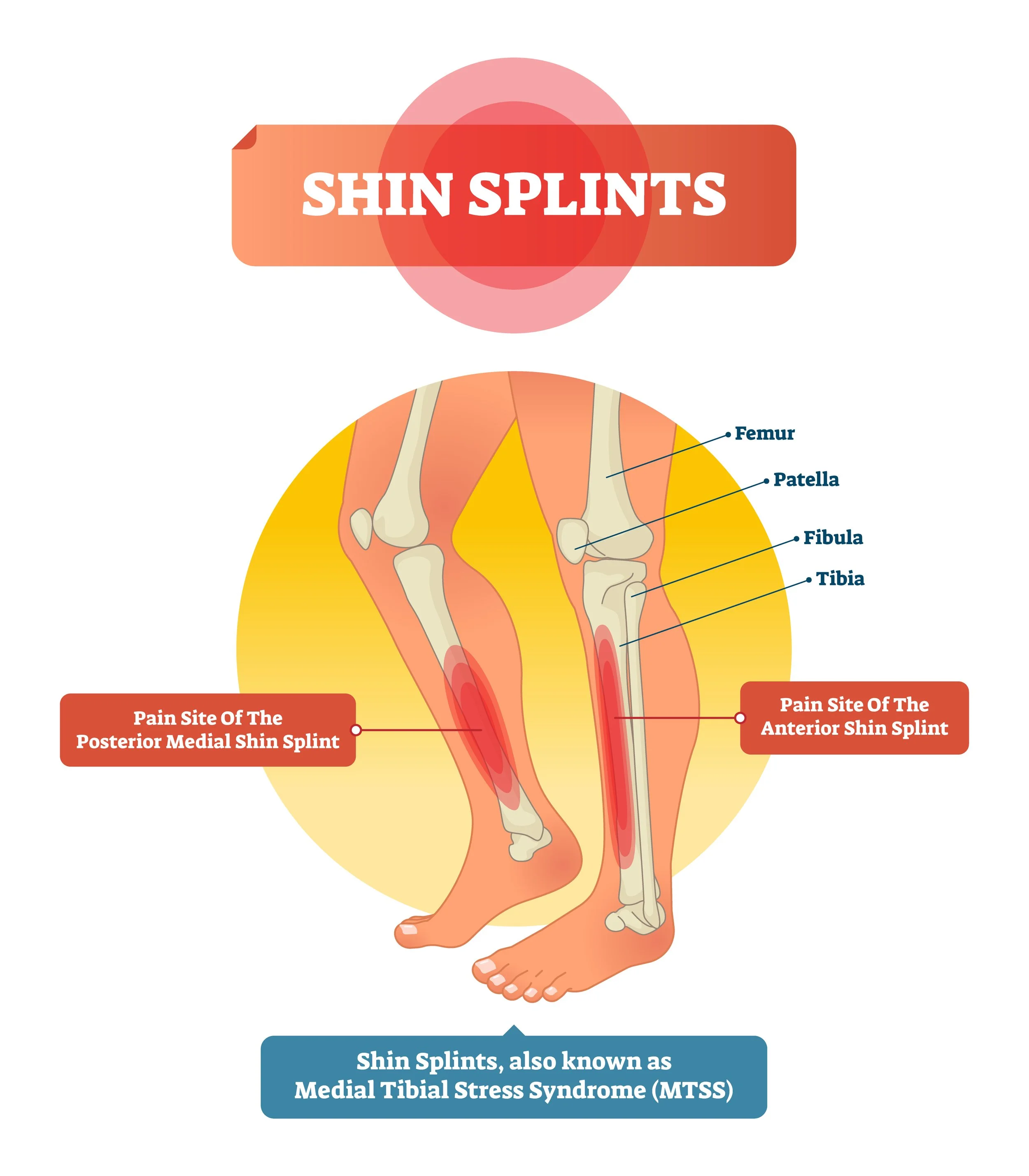
Shin splints — also known as medial tibial stress syndrome — are a common overuse injury characterized by pain along the inner border of the shin bone, especially during or after running and impact activity.
Symptoms often develop when repetitive training stress exceeds the body’s ability to adapt. Sudden increases in mileage, hill running, hard surfaces, footwear changes, reduced calf strength, and foot mechanics can all contribute to the condition.
While early symptoms may improve with rest or activity modification, persistent shin pain frequently requires a structured approach that restores tissue capacity and addresses underlying loading patterns.
At Form & Function Chiropractic in Brooklyn, treatment for shin splints emphasizes restoring impact tolerance, optimizing training progression, and improving movement efficiency for runners and active individuals.
What Are Shin Splints?
Shin splints” is a common term for pain along the tibia (shin bone), most often from repetitive impact loading.
Clinically, the most common diagnosis is…..
Medial Tibial Stress Syndrome (MTSS), which can involve:
Periosteal irritation (the tissue lining the bone)
Fascial and muscular traction stress
Bone stress reaction (early stage before a stress fracture)
Symptoms often include:
Pain on the inner border of the shin
Tenderness that worsens during activity
Pain that may linger after runs
Symptoms that return quickly when training resumes
“Running through shin splints is like driving on a warning light — you might keep moving, but the underlying problem is getting worse.”
Shin Splints vs Stress Fracture: Why the Difference Matters
This is the most important distinction.
Shin pain exists on a spectrum:
Irritation → Bone stress reaction → Stress fracture
If your pain is:
Focal (one small spot)
Worse with hopping
Increasing week to week
Present at rest or at night
…you may be dealing with a bone stress injury rather than classic shin splints.
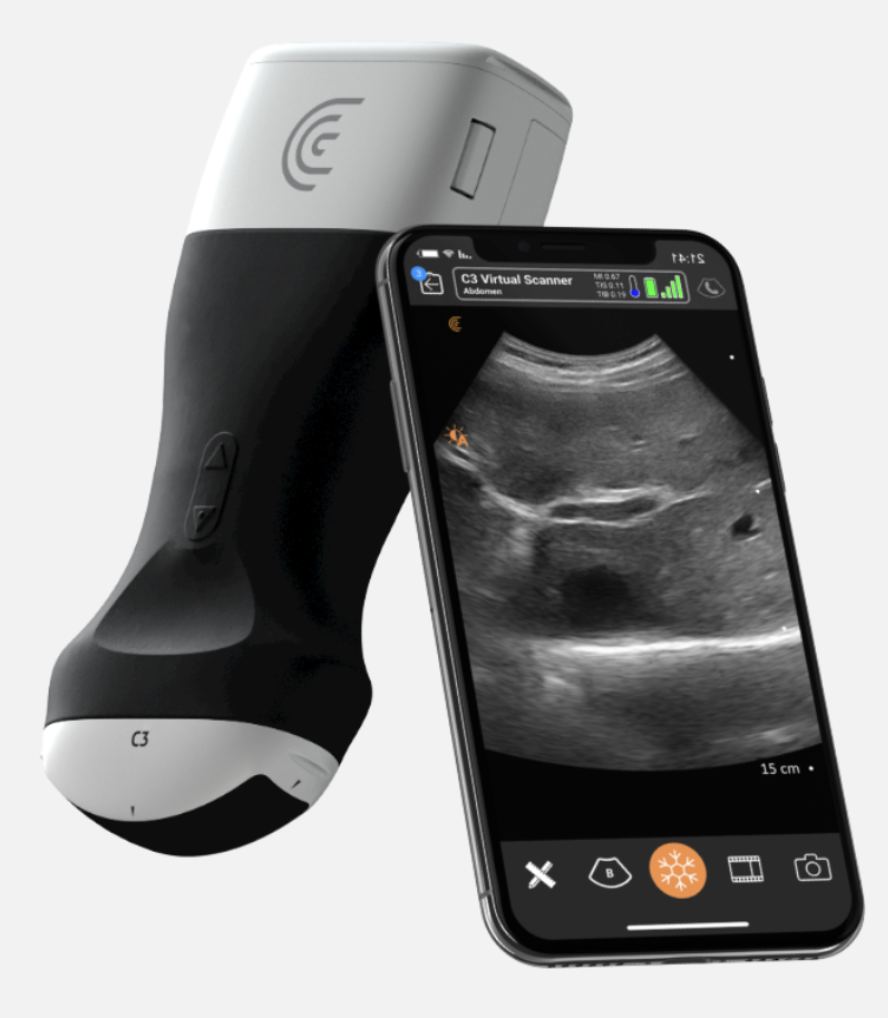
In-house Clarius MSK diagnostic ultrasound helps us assess the tibial surface and surrounding tissue to determine whether your shin pain is consistent with medial tibial stress syndrome or a more focal bone stress injury.
A Smarter Approach Than Rest Alone
Many runners are told simply to stop running or wait for symptoms to settle. While temporary load reduction may help early irritation, long-term recovery usually depends on restoring strength, load tolerance, and movement efficiency.
Treatment is designed not only to reduce pain sensitivity, but to help the lower leg tolerate impact forces more effectively and reduce recurrence risk.
Precision Multimodal Regenerative Treatment for Shin Splints
Shin splints commonly develop when repetitive impact loading exceeds the lower leg’s ability to recover and adapt. This often occurs with rapid training progression, surface changes, reduced calf strength, or persistent biomechanical stress.
In chronic or recurring cases, symptoms rarely resolve with rest alone. Treatment is therefore structured to reduce pain sensitivity, improve tibial load tolerance, and restore the strength and movement capacity required for impact activity.
Focused and Radial Shockwave Therapy
Shockwave therapy delivers controlled mechanical stimulation to irritated periosteal and muscular structures along the tibia. This stimulus may help influence pain signaling, improve local circulation, and support tissue responsiveness during rehabilitation progression.
Focused shockwave may be used for more localized or persistent symptoms, while radial shockwave can address surrounding calf and fascial contributors that increase tibial stress during running.
EMTT Regenerative Therapy
EMTT may be integrated to support cellular metabolism, vascular response, and connective tissue recovery processes in chronically overloaded structures.
When combined with mechanical stimulation strategies such as shockwave therapy, EMTT enhances the overall regenerative treatment framework by addressing both structural and biological contributors to symptom persistence.
Photobiomodulation (Laser Therapy)
Laser therapy using red and near-infrared wavelengths may help modulate inflammatory signaling and improve circulation. This can reduce pain sensitivity and improve tolerance to progressive strengthening and return-to-impact activity.
Progressive Tibial and Calf Load Capacity Development
Long-term resolution of shin splints depends heavily on restoring strength and load tolerance throughout the lower extremity.
Rehabilitation may include:
progressive calf strengthening strategies
tibial loading progression
foot intrinsic strengthening
ankle mobility restoration
posterior chain strength development
graded return to impact and sport
This structured progression helps the lower leg better absorb repetitive forces and reduces recurrence risk.
Movement Efficiency and Recurrence Prevention
Persistent tibial stress is often influenced by training progression patterns, movement efficiency, and lower limb control.
A detailed overview of running gait analysis and structured return-to-running planning is provided in the following section. 👇
Frequently Asked Questions About Shin Splints
-
Shin splints refer to pain along the shin bone caused by repetitive stress on muscles, tendons, and connective tissue where they attach to the tibia. The condition commonly develops with running or jumping activities.
-
Mild cases may improve with reduced training load, rest, and gradual return to activity. Persistent symptoms often require targeted rehabilitation and biomechanical assessment.
-
Not always. Many runners can continue modified training with reduced volume, softer surfaces, or altered pacing while working on strength and load progression strategies.
-
How long do shin splints take to improve?
Recovery timelines vary. Some individuals improve within a few weeks, while more chronic cases may take several months depending on tissue adaptation and training demands.
-
Shin splints usually cause diffuse pain along a larger area of the tibia, while stress fractures tend to produce more localized pain that worsens with continued loading. Imaging may be needed if symptoms are severe or not improving.
-
Yes. Cadence patterns, stride mechanics, rapid mileage increases, and terrain exposure can increase tibial stress and contribute to symptom development.
-
Shockwave therapy can be used in with shin splints to help influence pain sensitivity and tissue response along the tibia. Focused shockwave can provide deeper, more precise mechanical stimulation to areas of persistent overload, while EMTT supports metabolic and biological repair processes within bone and connective tissue.
These treatments are typically combined with structured rehabilitation and running load management strategies to help restore impact tolerance and guide a safer return to training.
-
Recurrence is common if strength deficits, mobility limitations, or training errors are not addressed.
-
Prevention focuses on gradual training progression, calf and foot strength development, appropriate footwear, and addressing biomechanical contributors.
Return-to-Running Strategy and Load Progression
Many running injuries are influenced by stride mechanics, cadence, terrain exposure, and training progression.
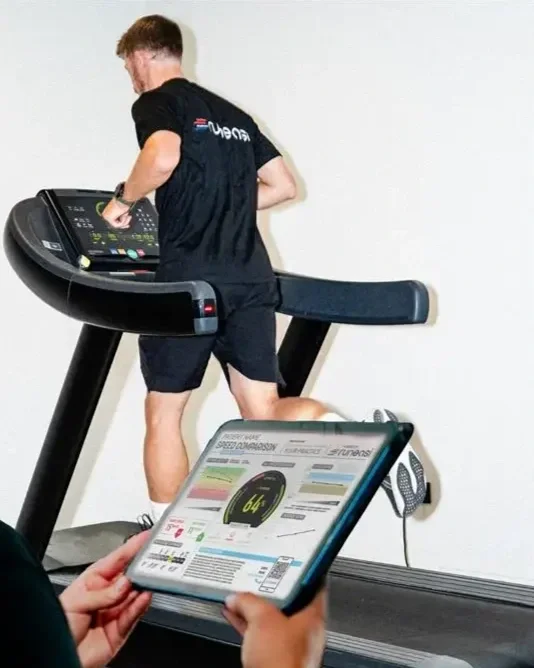
When appropriate, biomechanical running gait analysis and individualized return-to-running coaching may be incorporated to help improve load tolerance and reduce reinjury risk.
👉 Explore our running gait analysis and performance coaching services
Don’t Let Shin Pain Progress Into a More Serious Injury
Persistent shin splints may worsen when underlying load tolerance and movement factors are not addressed.
A structured regenerative and rehabilitation approach can help restore lower-leg strength, reduce pain sensitivity, and support a confident return to running and impact activity.
Schedule your shin splints evaluation in Brooklyn today and begin a clear performance-focused recovery plan.