3D Body Composition & Body Fat Analysis in Brooklyn
Track body fat, lean mass, and real progress — not just weight on a scale.
Most people don’t have a fat loss problem — they have a tracking problem.
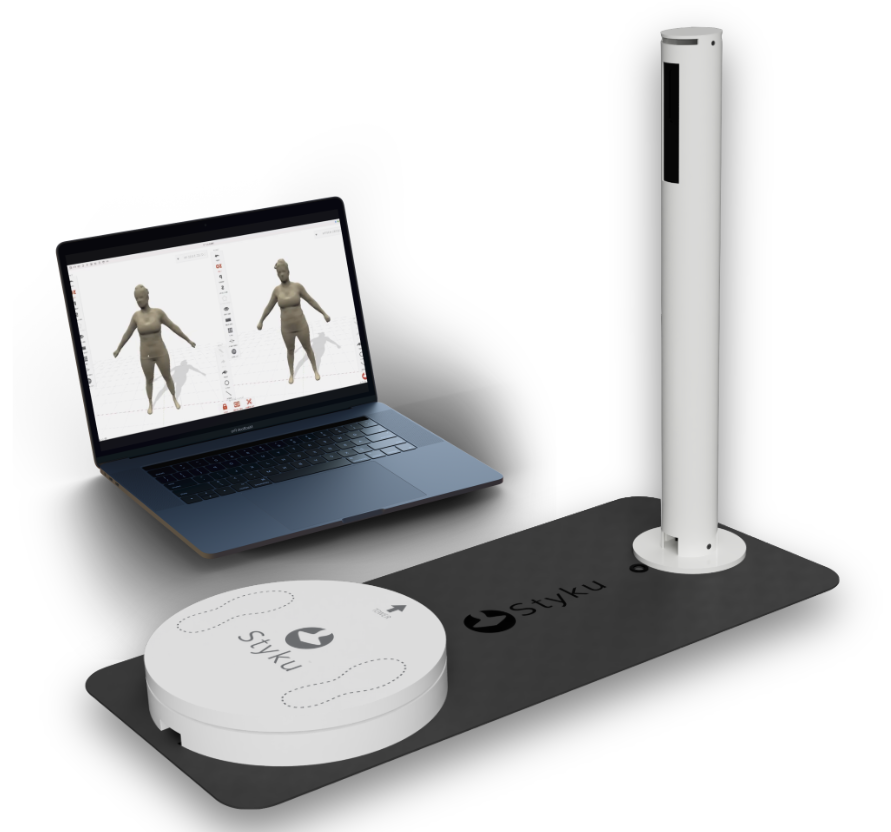
At Form & Function Chiropractic in Brooklyn, Styku 3D body composition scanning is used to measure changes in body fat, lean mass, and progress over time for individuals across Brooklyn and NYC.
For fat loss, performance, and metabolic health, this matters. A scale cannot tell you whether weight loss is coming from body fat, muscle tissue, or both. Styku removes that guesswork.
This Is How Professionals Track Progress
Used by clinicians, athletes, and performance-focused individuals, Styku provides a level of clarity traditional measurements simply cannot.
Consistent. Measurable. Repeatable.
Why the Scale Misses the Full Picture
Body weight alone is one of the least useful ways to measure progress.
You can lose weight without improving body composition.
You can gain muscle while the scale barely changes.
You can look, move, and perform better while your body weight stays the same.
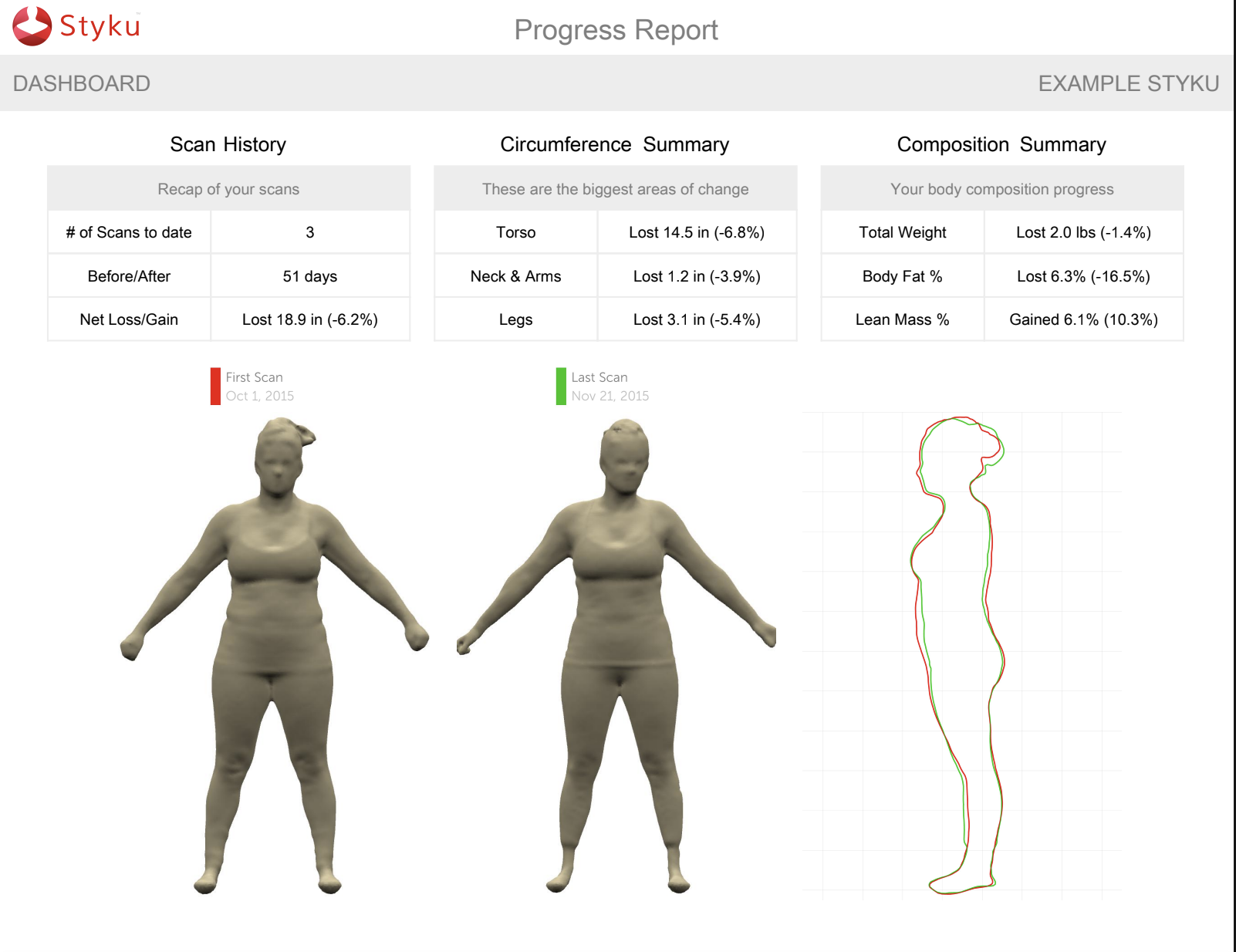
Styku 3D body composition analysis helps show what is actually changing.
BMI and scale weight don’t distinguish between fat and muscle. Two people can weigh the same and have completely different body composition, performance, and metabolic health.
What a Styku Scan Measures
A Styku scan can be used to track:
✔ body fat percentage
✔ lean body mass
✔ circumference measurements
✔ body shape and symmetry changes
✔ postural trends
✔ progress over time
PNOĒ testing is especially helpful for runners, active adults, fat-loss plateaus, and individuals using GLP-1 medications who want to preserve lean mass while losing fat.
This provides a more useful picture of progress than scale weight or BMI alone.
Why Body Composition Tracking Matters
Accurate body composition data helps guide better decisions around:
fat loss
muscle preservation
performance goals
nutrition strategy
training progress
GLP-1 support
post-rehabilitation progress tracking
For many people, the real question is not just
“Did I lose weight?”
It is:
“Did I lose fat, preserve muscle, and improve how my body functions?”
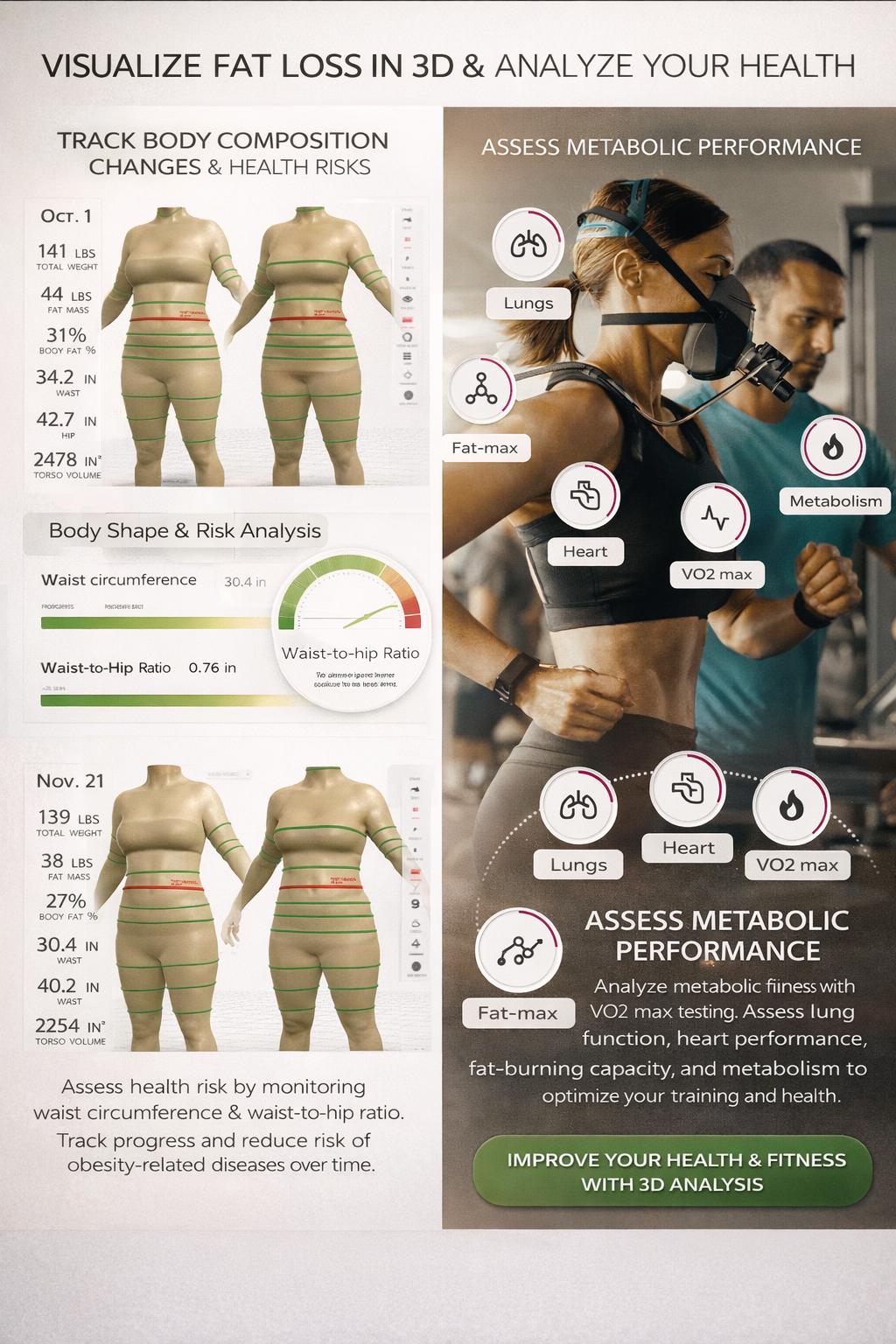
Body Composition + Metabolic Testing: The Complete Picture
Tracking body composition is only part of the equation.
Styku shows what is changing — body fat, lean mass, and measurements.
PNOĒ metabolic testing shows how your body is changing — how you use oxygen, how you burn fat vs carbohydrates, and what training intensities actually match your physiology.
With PNOĒ testing, you can measure:
✔ Resting metabolic rate (RMR)
✔ VO₂ max and ventilatory thresholds
✔ Fat vs carbohydrate utilization
✔ Personalized training zones
Together, Styku + PNOĒ removes guesswork completely.
Styku validation documentation uses near-infrared scanning and no radiation in a 30 second assessment process.
What To Expect
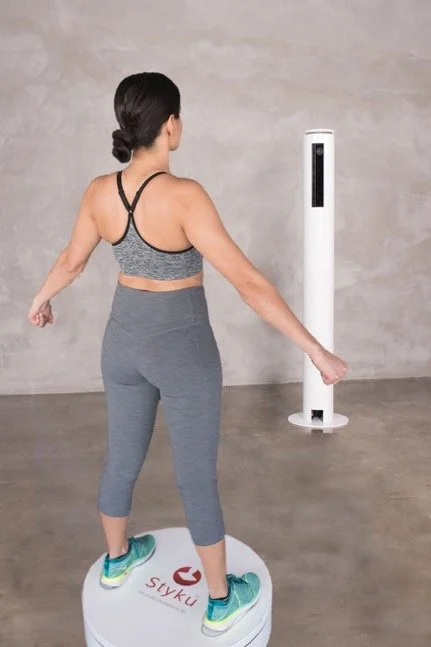
The scan itself is fast, non-invasive and no radiation.
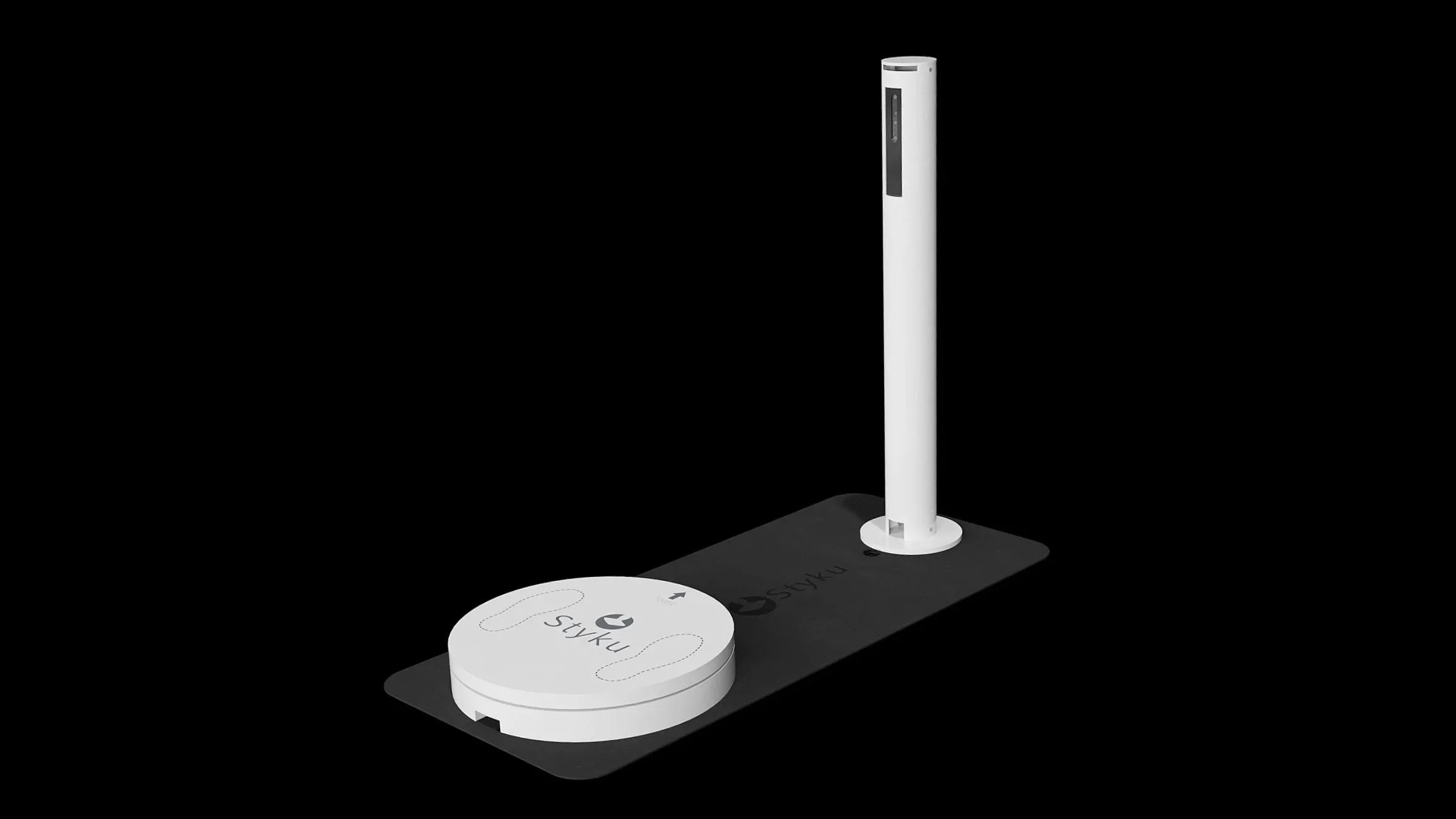
The platform captures a 3D model used to track measurements and body composition trends over time.
Scan time is less than 30 seconds
Consistent tracking with repeat scans help you see real change in fat loss, muscle preservation, recomposition and posture.
What to wear: form-fitting athletic clothing helps keep repeat scans consistent.
What you’ll receive: a clear record of body fat, lean mass, circumference trends, and progress over time — not just scale weight.
Styku vs DEXA: What’s the Difference?
DEXA (Dual-Energy X-ray Absorptiometry)
Best for: Clinical body composition analysis and bone density
Uses low-dose X-ray technology
Measures body fat, lean mass, and bone density
Highly precise (often considered a clinical gold standard)
Limitations:
Uses radiation
Higher cost
Not practical for frequent tracking
Limited visual feedback for body shape changes
Styku 3D Body Composition Scan
Best for: Tracking real-world progress over time
Uses 3D infrared imaging (no radiation)
Measures body fat estimates, circumference, and body shape
Creates a visual 3D model to track changes
Advantages:
Fast (under 30sec for scan)
Non-invasive
Ideal for repeat testing
Shows how your body is actually changing
Which One Is Better?
They answer different questions.
DEXA = high-precision snapshot
Styku = ongoing progress tracking, within 2% accuracy of a DEXA results and no radiation!
For most people, progress matters more than a single data point.