

Upper Extremity Sprain & Strain Treatment in Brooklyn for Shoulder, Arm & Forearm Injuries
Upper extremity sprains and strains can make lifting, reaching, gripping, training, and daily activity painful and frustrating.
At Form & Function Chiropractic in Brooklyn, treatment focuses on reducing pain, restoring tissue capacity, and preventing recurrence using a combination of regenerative therapy, movement restoration, and progressive rehabilitation.

What Are Upper Extremity Sprains and Strains?
Upper extremity sprains and strains are soft tissue injuries involving the shoulder, arm, elbow, wrist, or forearm.
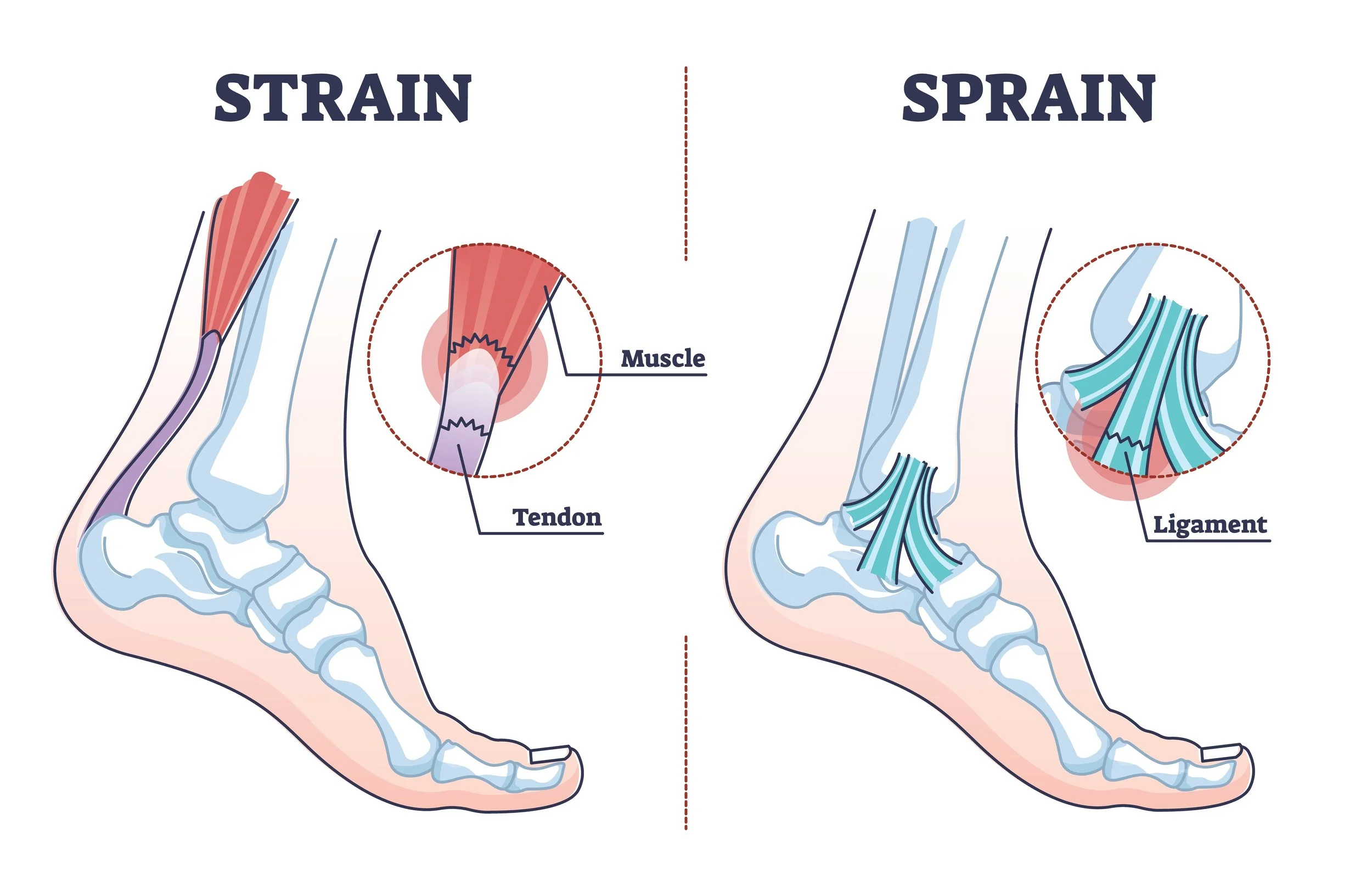
Sprains affect ligaments, which stabilize joints
Strains affect muscles or tendons, which produce and control movement
These injuries commonly involve:
shoulder sprains or muscle strains
biceps or triceps strains
forearm flexor or extensor strains
wrist sprains
elbow soft tissue overload
They may happen suddenly during lifting, exercise, or sport, or develop more gradually when tissue capacity is exceeded.
What Causes Upper Extremity Sprains and Strains?
These injuries usually occur when the demands placed on tissue exceed its ability to tolerate load.
Common contributors include:
sudden increases in lifting, training, or sport intensity
poor shoulder or scapular control
weakness or imbalance through the upper kinetic chain
repetitive gripping, pressing, or overhead activity
returning to sport too quickly after a previous injury
Like lower extremity injuries, these problems are often less about one isolated event and more about capacity, control, and load management. That pattern is consistent with how your other injury pages are positioned around tissue overload and biomechanics.

Sprain vs Strain: Understanding the Difference
Although often used interchangeably, sprains and strains affect different tissues.
Muscle or Tendon Strain
injury to muscle fibers or tendons
pain during contraction or movement
localized tenderness
Ligament Sprain
injury to ligaments supporting a joint
instability or joint discomfort
swelling around the joint
Proper evaluation helps identify the exact structure involved.
Upper Extremity Strains vs Tendon Injuries
Some upper extremity pain may involve chronic tendon conditions rather than acute muscle injury.
Examples include:
Differentiating between acute strain and chronic tendinopathy ensures the correct treatment strategy.
Why These Injuries Keep Coming Back
Upper extremity sprains and strains often recur because pain improves before true tissue capacity has been restored.
Common reasons they return include:
returning to lifting or sport too early
not restoring full strength and control
poor movement mechanics remaining unchanged
relying only on rest or passive care
inadequate progression back to activity
Pain relief is not the same as recovery. If strength, control, and load tolerance are not rebuilt, the same stress can reproduce the injury.
Why Rest and Passive Care Aren’t Enough
Rest may calm symptoms in the short term, but prolonged unloading often reduces strength, movement quality, and tissue tolerance.
Passive care alone usually does not restore:
shoulder stability
scapular control
grip and forearm capacity
pressing or pulling tolerance
overhead load handling
For long-term recovery, tissue needs to be re-exposed to load in a structured way.
How We Treat Upper Extremity Sprains and Strains in Brooklyn
Treatment is built around a multimodal regenerative and load-based approach.
The goal is to:
reduce pain and irritation
improve tissue healing response
restore strength and movement control
rebuild tolerance to gripping, lifting, pressing, or overhead work
safely return to training, work, and sport
Regenerative Therapy & Advanced Modalities
Focused Shockwave Therapy and Radial Pressure Wave Therapy
Shockwave therapy is used to help:
reduce pain sensitivity
stimulate tissue remodeling
improve circulation and healing response
Focused shockwave may be used when deeper structures are involved, while radial pressure wave therapy can help address more superficial myofascial overload patterns.
EMTT (Extracorporeal Magnetotransduction Therapy)
EMTT is used to support:
cellular activity
tissue healing response
recovery in more stubborn soft tissue injuries
It is often combined with shockwave therapy as part of a broader regenerative strategy.
Laser Therapy (Photobiomodulation)
Laser therapy may help:
improve cellular energy production
reduce pain and inflammation
support recovery efficiency
It is used to complement tissue healing while rehabilitation progresses.
Functional Range Conditioning® (FRC®) & Load-Based Rehabilitation
Long-term improvement depends on restoring how the upper extremity handles load.
Treatment may include:
shoulder and scapular control work
joint mobility and active range development
tendon and muscle capacity building
grip and forearm strengthening
progressive stability and strength training
Using Functional Range Conditioning® (FRC®) principles, care is designed to improve joint control, tissue resilience, and movement quality.
Biomechanics, Strength, and Return to Activity
Whether the injury came from the gym, work, sport, or repetitive daily use, the tissue must be returned to load gradually and intelligently.
Treatment includes guidance on:
modifying aggravating activity
progressing pressing, pulling, carrying, or gripping loads
restoring movement efficiency
reducing reinjury risk
The goal is not just getting pain down — it is returning you to activity with more durability than before.
Frequently Asked Questions About Upper Extremity Sprains and Strains
-
The best treatment is not just rest — it is a structured plan that reduces pain, improves tissue healing, and rebuilds capacity.
At Form & Function Chiropractic, treatment may combine regenerative therapies such as focused shockwave, radial pressure wave, EMTT, and laser therapy with Functional Range Conditioning® (FRC®) and progressive rehabilitation.
The goal is not just to calm the injury down — it is to restore strength, control, and confidence so the tissue can handle load again.
-
A sprain involves a ligament, which connects bone to bone and helps stabilize a joint.
A strain involves a muscle or tendon, which helps produce and control movement.
Both can cause pain, swelling, and reduced function, but the treatment strategy may differ depending on which structure is involved and how severe the injury is.
-
These injuries usually come back because the tissue may feel better before it is actually ready for full load.
Common reasons include:
returning to lifting or sport too early
incomplete strength restoration
poor shoulder or scapular mechanics
insufficient rehab progression
Pain relief is not the same as recovery.
-
Not usually.
Relative rest may be needed early, especially if pain is sharp or function is clearly limited. But complete inactivity for too long often delays recovery by reducing strength, mobility, and tissue tolerance.
Most upper extremity injuries improve best with the right amount of load at the right time.
-
Yes — in the right case.
Shockwave therapy can help reduce pain sensitivity, improve circulation, and stimulate tissue healing response in injured muscles, tendons, and ligaments. It is especially useful in more persistent or slow-to-resolve cases.
It works best as part of a broader plan that also restores strength, movement, and load tolerance.
-
EMTT and laser therapy are used to support the biological side of recovery.
They may help:
improve cellular activity
support tissue healing
reduce inflammation and pain
improve tolerance to rehabilitation
These therapies are not a substitute for rehab — they help create a better environment for recovery while the tissue is being progressively reloaded.
-
Not always — but when needed, imaging can be done in-office.
At Form & Function Chiropractic, when appropriate we use in-house Clarius MSK diagnostic ultrasound this allows for real-time evaluation of soft tissue injuries, including muscles, tendons, and ligaments.
Imaging is typically used when:
symptoms are not improving as expected
a more significant strain, sprain, or tear is suspected
the diagnosis needs clarification
it will directly guide treatment decisions
Ultrasound (Clarius) provides dynamic, real-time assessment, meaning tissues can be evaluated during movement — not just at rest like an MRI.
-
That depends on the tissue involved, severity of the injury, and how consistent treatment is.
Milder cases may improve in 2 to 6 weeks, while more significant or recurrent injuries may take longer.
Recovery is strongly influenced by whether strength, control, and load progression are managed correctly.
-
Return to activity should be based on:
pain response
strength and stability
movement quality
tissue tolerance under load
Not just time.
A gradual progression helps reduce reinjury risk and restores confidence.
-
Most care plans focus on either symptom relief or generic exercises.
Our approach combines:
regenerative therapies to support healing
Functional Range Conditioning® (FRC®) to improve joint control and mobility
progressive rehabilitation to rebuild strength and resilience
structured return-to-activity guidance to reduce reinjury risk
The goal is not just to get you out of pain — it is to make the injured area more capable than it was before.
Don’t Let Shoulder, Elbow, or Wrist Pain Limit What You Can Do
Rebuild strength, control, and tissue capacity with a structured, non-surgical approach.
Reduce pain. Restore strength. Return to activity with confidence.