Tennis Elbow (Lateral Epicondylitis) Treatment in Brooklyn
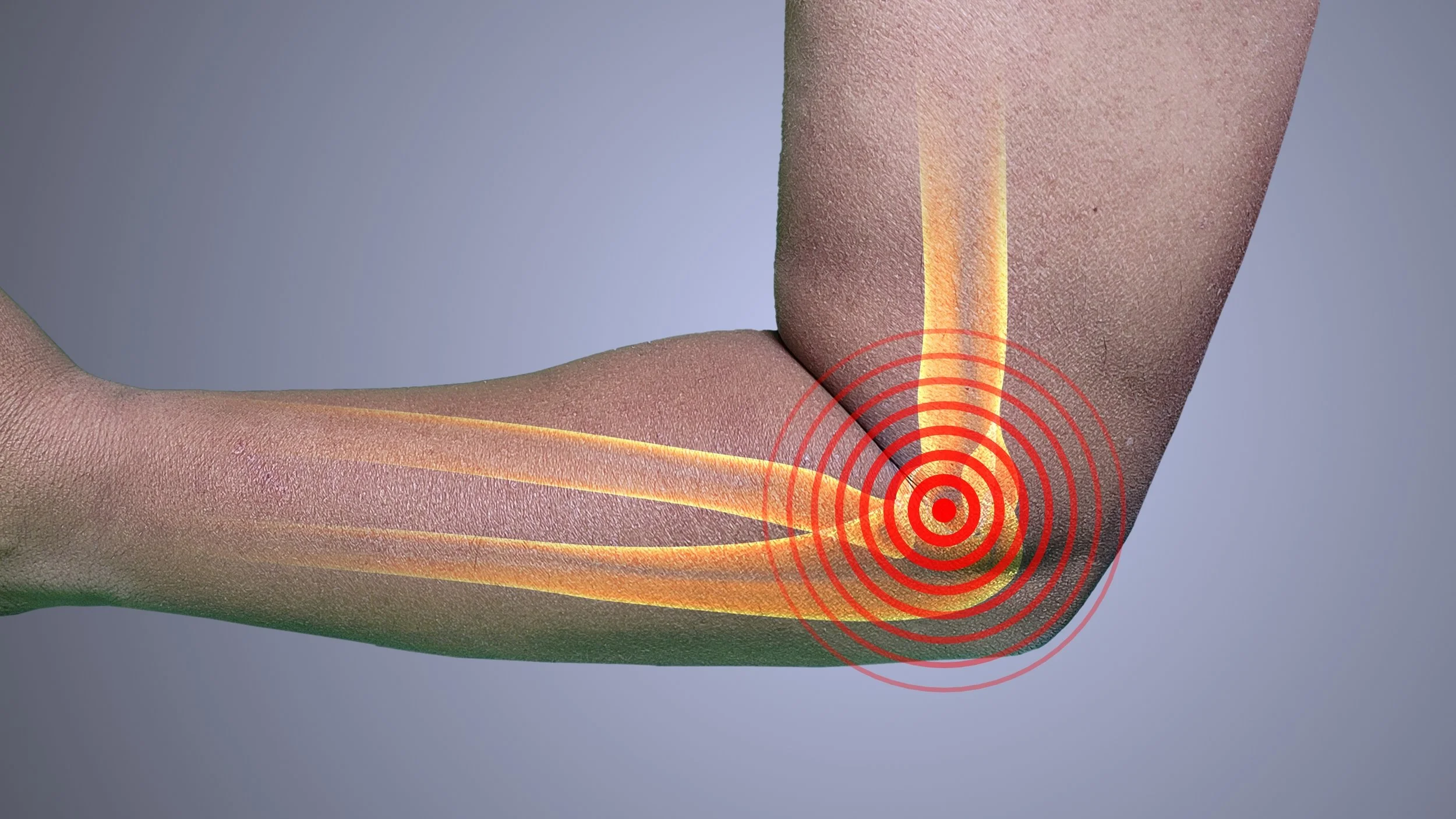
If you’re searching for tennis elbow treatment in Brooklyn, you may be experiencing pain along the outside of the elbow that worsens with gripping, lifting, typing, or repetitive hand use.
Tennis elbow, medically known as lateral epicondylitis, is typically not an inflammatory condition despite the name. In most chronic cases, it represents lateral elbow tendinopathy — degenerative overload of the extensor tendon origin.
At Form & Function Chiropractic, we evaluate elbow pain carefully to differentiate tendinopathy from ligament injury or nerve involvement. When appropriate, we provide non-surgical treatment using a precision multimodal regenerative approach that includes extracorporeal shockwave therapy and EMTT designed to restore tendon capacity and reduce recurrence.
What Is Tennis Elbow (Lateral Epicondylitis)?
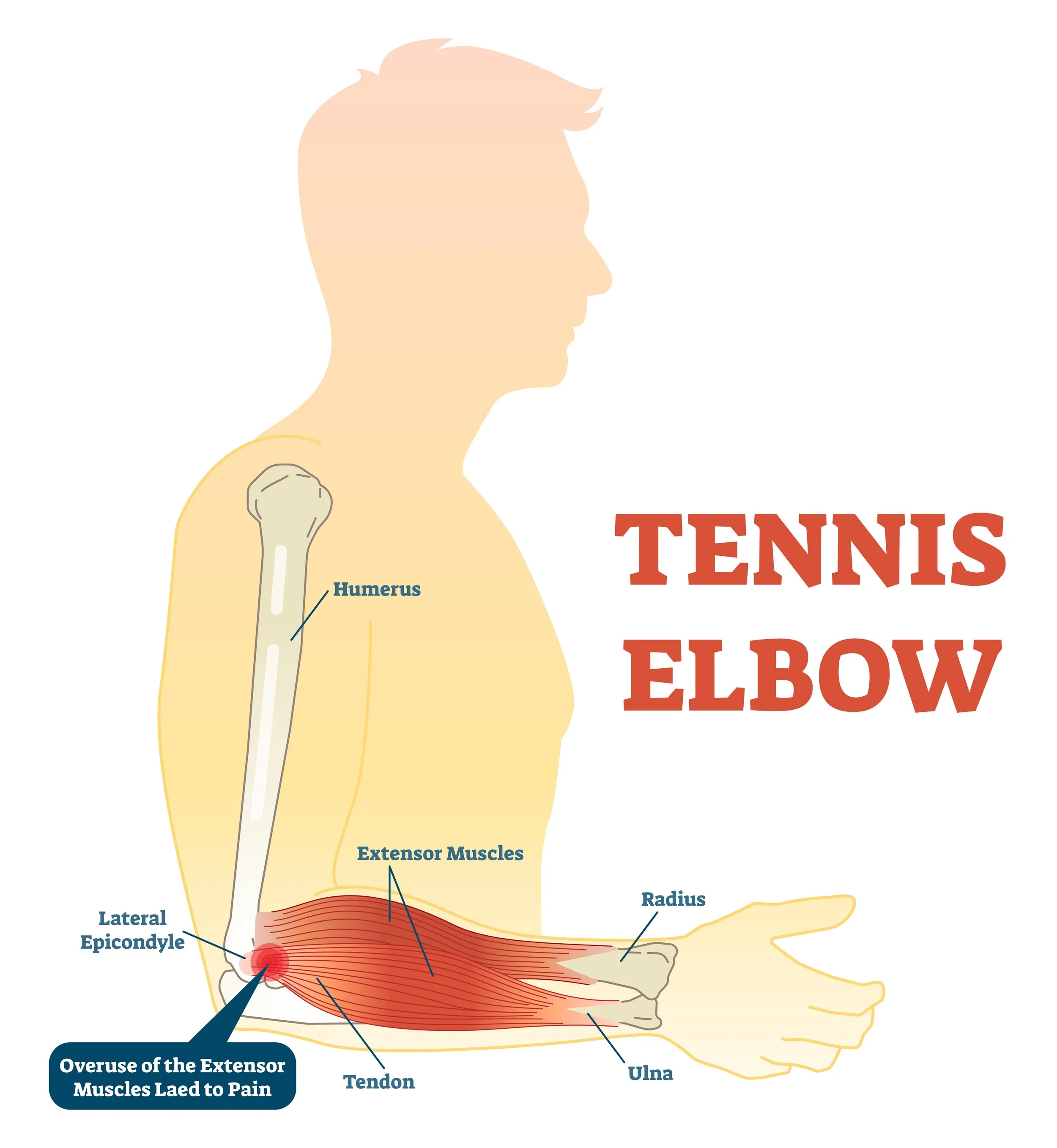
Tennis elbow involves overload of the extensor tendons where they attach at the lateral epicondyle of the humerus.
It commonly affects:
Tennis and racquet sport athletes
Weightlifters
Tradespeople
Office workers
Individuals with repetitive gripping activity
Symptoms may include:
Pain on the outside of the elbow
Weak grip strength
Pain lifting objects
Discomfort with wrist extension
Tenderness over the lateral epicondyle
Chronic cases are typically degenerative rather than inflammatory.
Tennis Elbow vs Golfer’s Elbow
Elbow pain location matters.
Tennis Elbow (Lateral Epicondylitis)
Pain on the outside of the elbow
Worsens with gripping and wrist extension
Tender over lateral epicondyle
Golfer’s Elbow (Medial Epicondylitis)
Pain on the inside of the elbow
Worsens with wrist flexion
Tender over medial epicondyle
Accurate diagnosis determines correct treatment strategy.
Tennis Elbow vs Elbow Ligament Injury
Not all elbow pain is tendon-related.
Ligament injuries often involve:
Instability
Acute trauma
Swelling
Mechanical symptoms
Tendinopathy typically presents with gradual onset and load-related pain.
Proper differentiation ensures appropriate care.
Precision Multimodal Regenerative Treatment in Brooklyn
At Form & Function Chiropractic, we utilize a precision, multimodal regenerative strategy tailored to the stage and severity of lateral elbow tendinopathy.
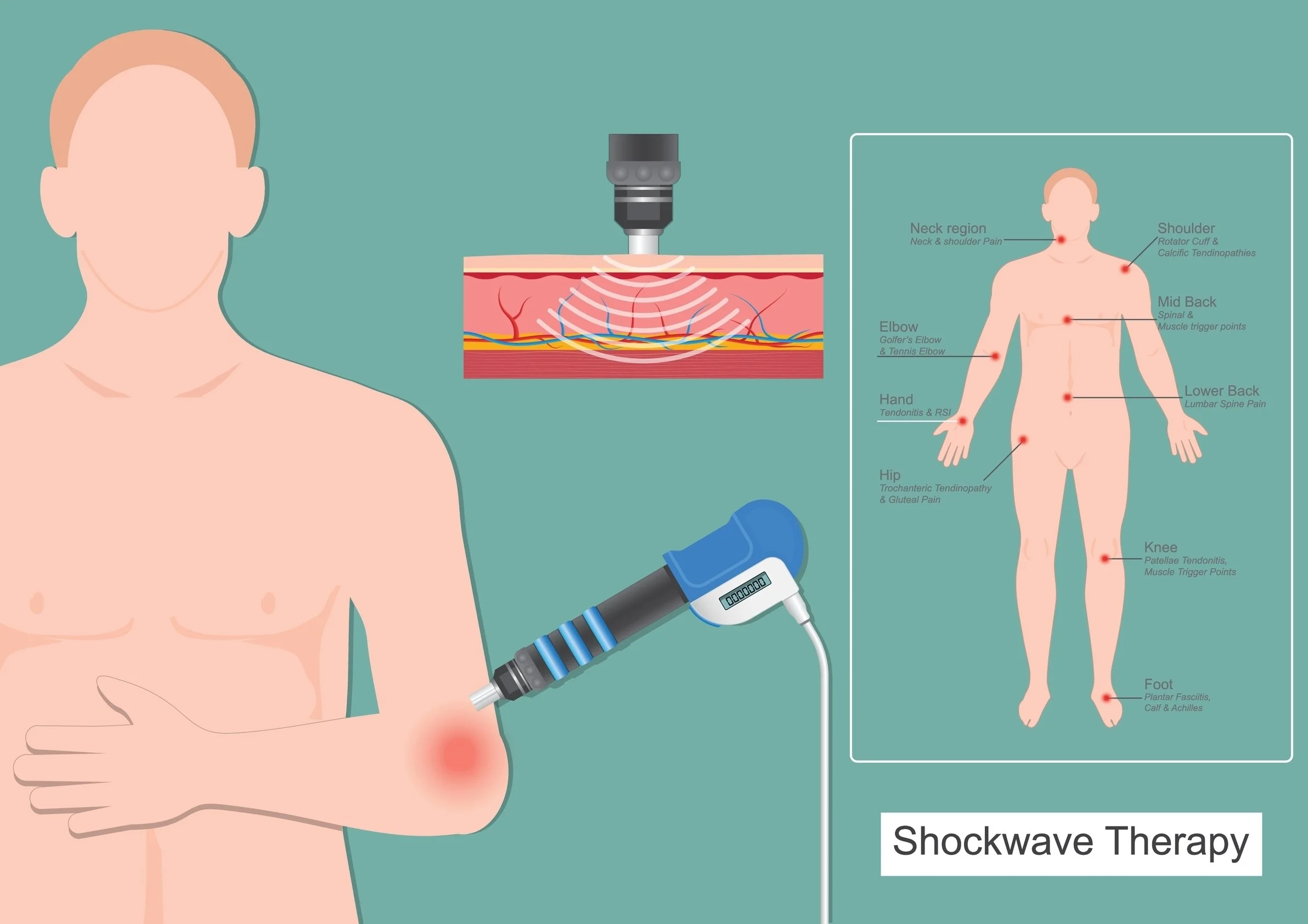
Focused ESWT delivers controlled mechanical stimulation to the degenerative extensor tendon origin. This promotes biological signaling, supports tendon remodeling, and improves load tolerance in chronic cases.
Radial shockwave addresses broader forearm extensor overload patterns and enhances regional tissue responsiveness.
EMTT is integrated into every regenerative protocol to enhance cellular metabolism and complement mechanical stimulation. When combined with progressive rehabilitation, it reinforces the biological environment necessary for recovery.
Structured Load Progression
Regenerative therapies are paired with:
Eccentric strengthening
Grip training
Forearm conditioning
Gradual return to activity
This comprehensive approach targets both tissue biology and biomechanical drivers of elbow pain.
Imaging may be recommended if:
Significant weakness is present
Symptoms fail to improve
Ligament injury is suspected
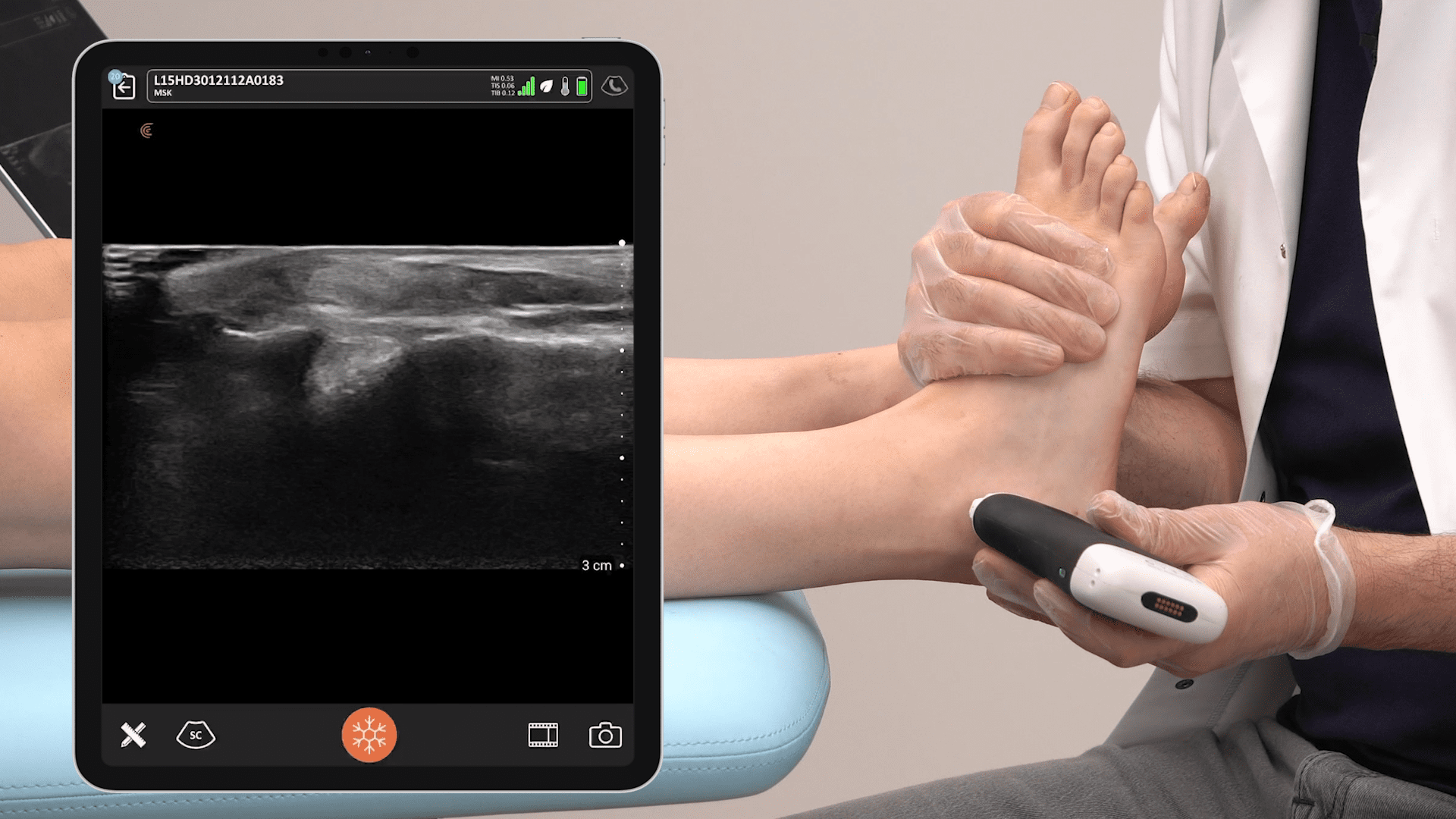
At Form & Function Chiropractic, we utilize in-house Clarius MSK diagnostic ultrasound when indicated to evaluate tendon structure and identify degenerative changes or partial tearing. Advanced imaging such as MRI is coordinated if necessary.
Why Tennis Elbow Becomes Chronic
Tendon overload develops when:
Repetitive gripping exceeds tissue capacity
Recovery is insufficient
Load progression is abrupt
Biomechanics are inefficient
Without proper remodeling, symptoms may persist for months.
Related Upper Extremity Conditions
Elbow pain may also involve:
Biceps tendinopathy
Cervical referral
Accurate evaluation ensures treatment targets the primary source.
Who Should Seek Evaluation?
You should seek evaluation if you experience:
Persistent outer elbow pain
Weak grip strength
Pain lifting everyday objects
Symptoms lasting more than several weeks
Recurring pain with activity
Early structured intervention improves outcomes.