
Hamstring Strain Treatment in Brooklyn
What Is a Hamstring Strain?
If you’re searching for hamstring strain treatment in Brooklyn, you may be experiencing pain in the back of the thigh during running, sprinting, or sudden acceleration.
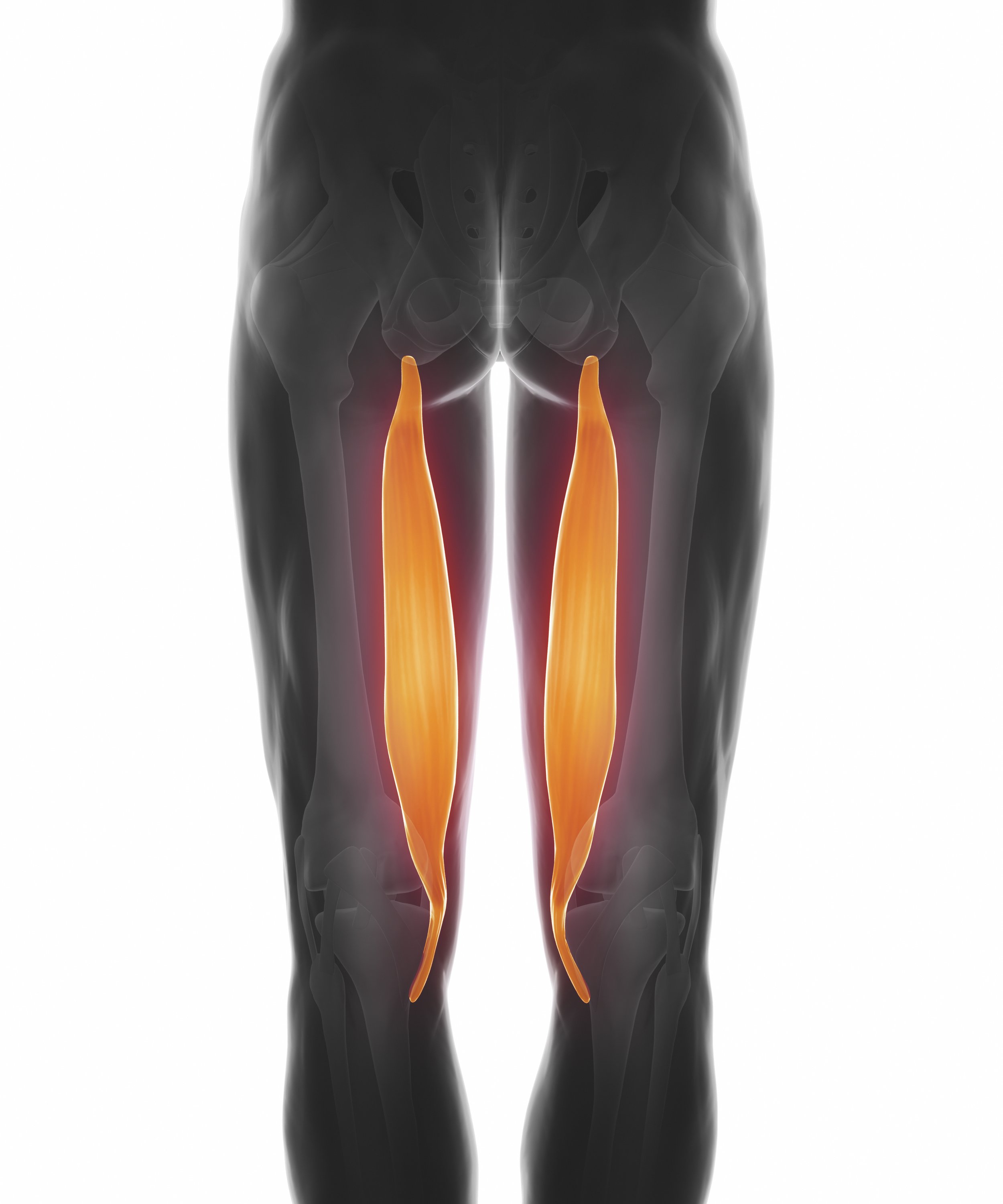
A hamstring strain occurs when the hamstring muscles or tendons in the posterior thigh become overstretched or partially torn. The hamstring muscle group consists of three muscles that work together to extend the hip and bend the knee during walking, running, and athletic movement.
Hamstring injuries are among the most common soft tissue injuries in athletes, particularly in activities that involve sprinting, sudden direction changes, or explosive movements.
Common causes of hamstring strain include:
sudden acceleration or sprinting
overstretching of the muscle
muscle fatigue
poor running mechanics
sudden increases in training load
At Form & Function Chiropractic, we evaluate hamstring injuries carefully to determine whether symptoms involve muscular strain, tendon involvement, or nerve-related irritation. When appropriate, treatment incorporates a precision multimodal regenerative approach integrating extracorporeal shockwave therapy, EMTT, photobiomodulation therapy, and progressive rehabilitation designed to restore strength and mobility.
Symptoms of a Hamstring Strain
Symptoms often occur in the back of the thigh and may develop suddenly during activity.
Common symptoms include:
sharp pain in the back of the thigh
tightness or stiffness in the hamstring
pain during running or sprinting
tenderness along the posterior thigh
swelling or bruising in more severe injuries
weakness when bending the knee
Symptoms may vary depending on the severity of the strain.

Hamstring Strain vs Sciatica
Pain in the back of the leg may originate from either muscle injury or nerve irritation.
Hamstring Strain
localized pain in the posterior thigh
tenderness in the muscle
pain with running or sprinting
Sciatica (Lumbar Radiculopathy)
nerve pain radiating from the lower back
numbness or tingling in the leg
burning or electrical sensations
Proper evaluation helps determine whether symptoms originate from the hamstring muscle or a spinal nerve.

Hamstring Strain vs Piriformis Syndrome
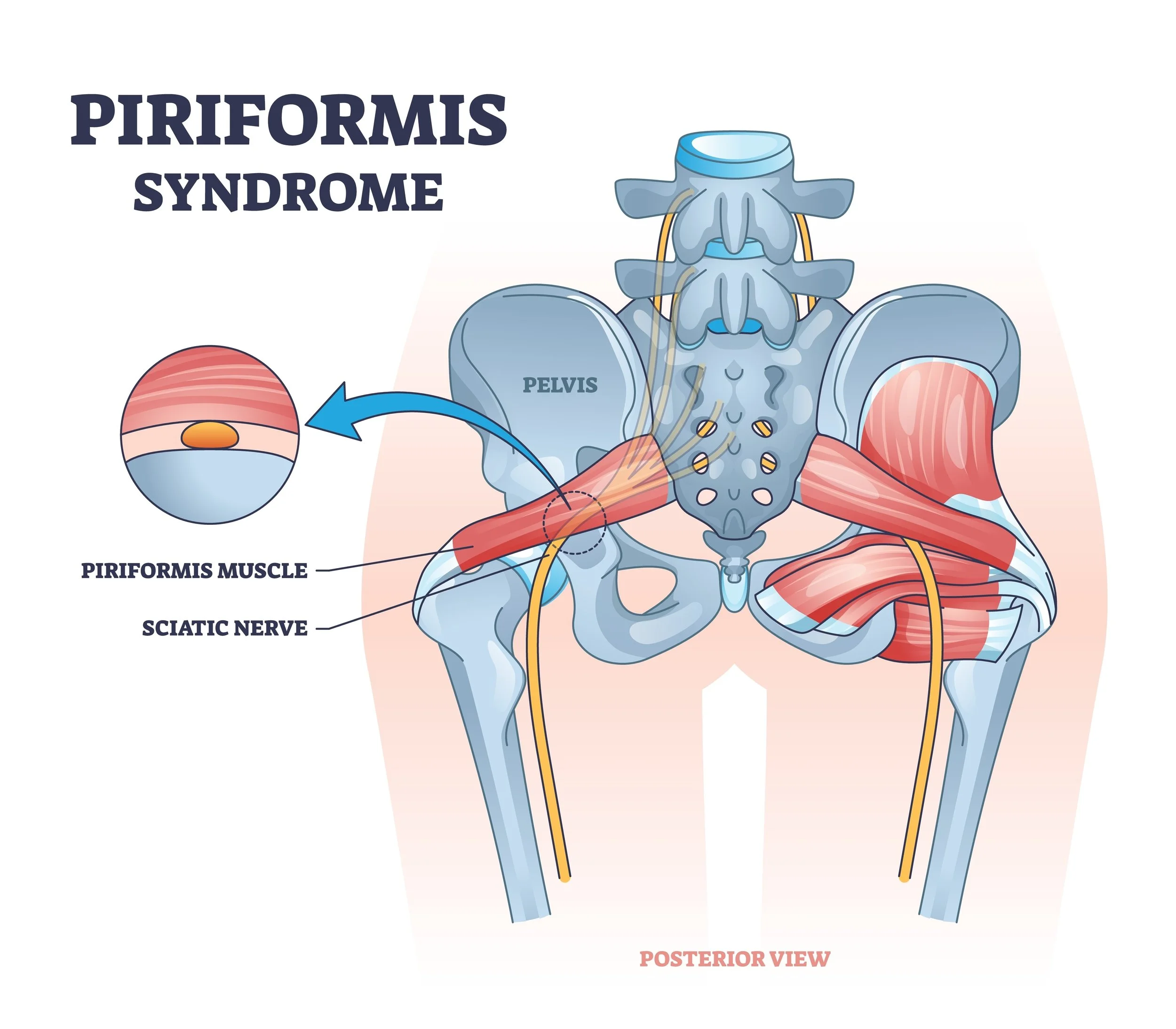
Buttock and posterior thigh pain may also occur with piriformis syndrome.
Hamstring Injury
pain primarily in the posterior thigh
tenderness along the muscle
symptoms triggered by running or stretching
Piriformis Syndrome
deep buttock pain
sciatic nerve irritation
symptoms worsened by prolonged sitting
Differentiating these conditions helps guide treatment.
Precision Multimodal Regenerative Treatment in Brooklyn
At Form & Function Chiropractic, we utilize a precision multimodal regenerative strategy tailored to the injured tissue and stage of recovery.
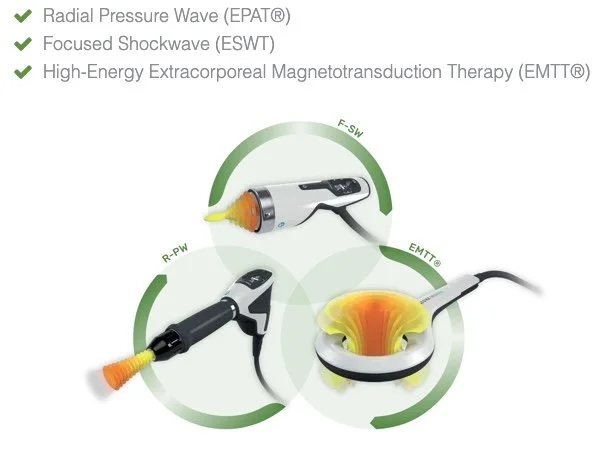
Focused Extracorporeal Shockwave Therapy (ESWT)
Focused extracorporeal shockwave therapy may be used to stimulate biological signaling within injured muscle and tendon tissues, supporting recovery and improving load tolerance.
Radial Shockwave (EPAT®)
Radial shockwave may be applied to the surrounding posterior thigh musculature to improve regional tissue responsiveness.
EMTT (Extracorporeal Magnetotransduction Therapy)
EMTT is integrated into every regenerative protocol to enhance cellular metabolism and complement mechanical stimulation.
Photobiomodulation Therapy (Meditech Bioflex Laser)
Photobiomodulation therapy may be incorporated to support tissue recovery and reduce inflammation in injured muscle fibers.
Progressive Rehabilitation
Treatment is combined with progressive rehabilitation including:
hamstring mobility restoration
gluteal strength development
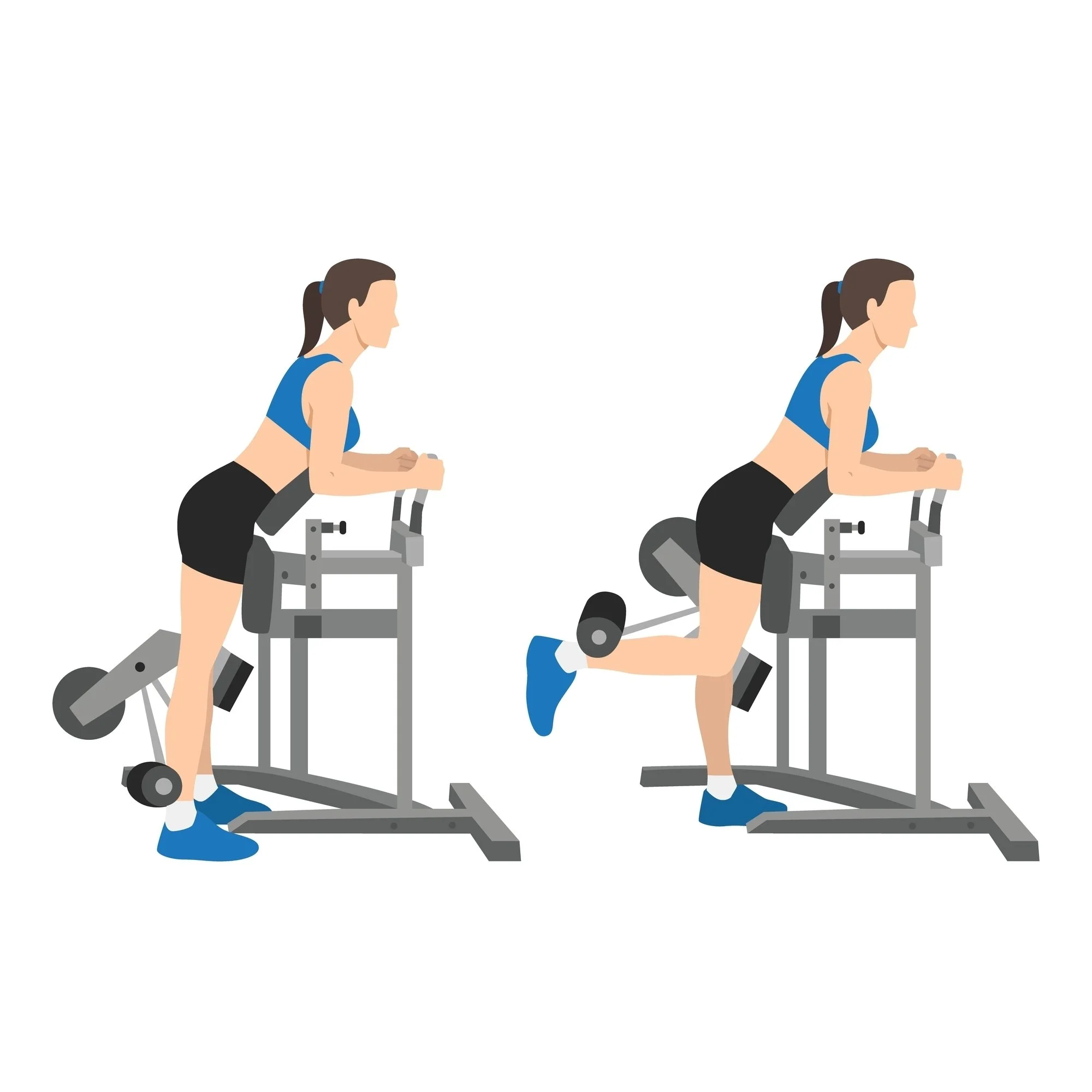
posterior chain strengthening
return-to-running progression
This integrated approach addresses both the biological and biomechanical contributors to injury.
Running Biomechanical Analysis
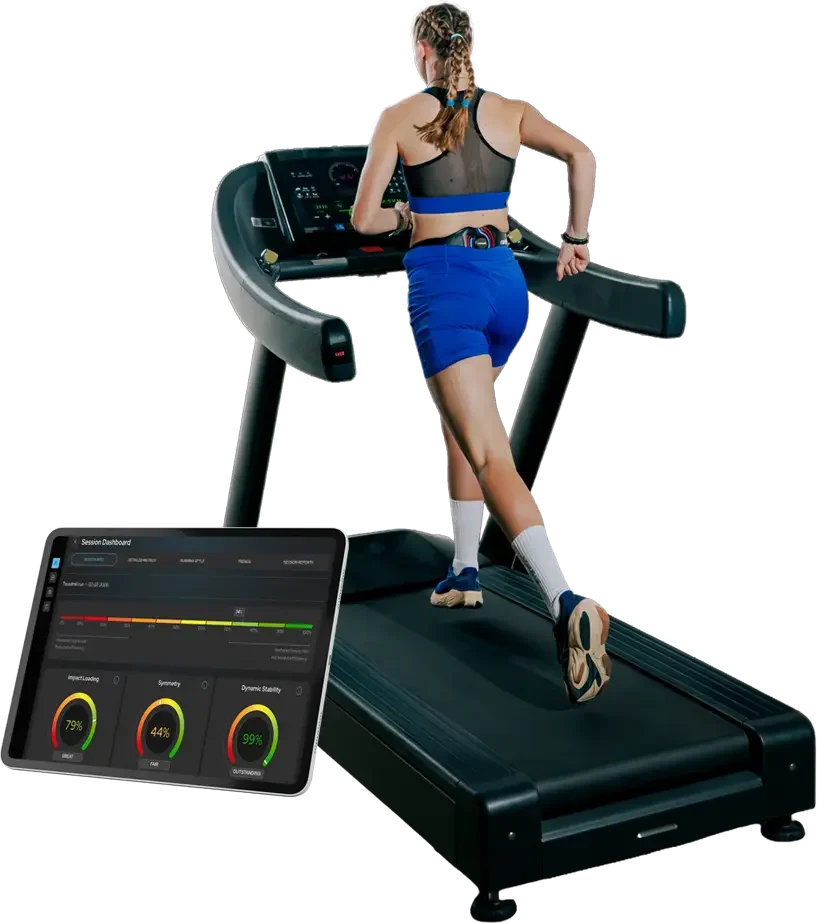
For runners, treatment may include biomechanical running analysis using Runeasi motion assessment technology. This system evaluates running mechanics in real time, helping identify movement patterns that contribute to tissue overload, inefficient load distribution, and recurrent injury.
Biomechanical analysis helps guide:
stride mechanics correction
cadence and loading strategy
return-to-running progression
long-term injury prevention
When combined with extracorporeal shockwave therapy, EMTT, photobiomodulation therapy, and progressive rehabilitation, biomechanical assessment supports a comprehensive performance-focused treatment strategy.
When Imaging Is Necessary
Many hamstring injuries can be diagnosed clinically.
Imaging may be recommended when:
a significant muscle tear is suspected
symptoms are severe or persistent
weakness is present
injury occurred during high-force activity
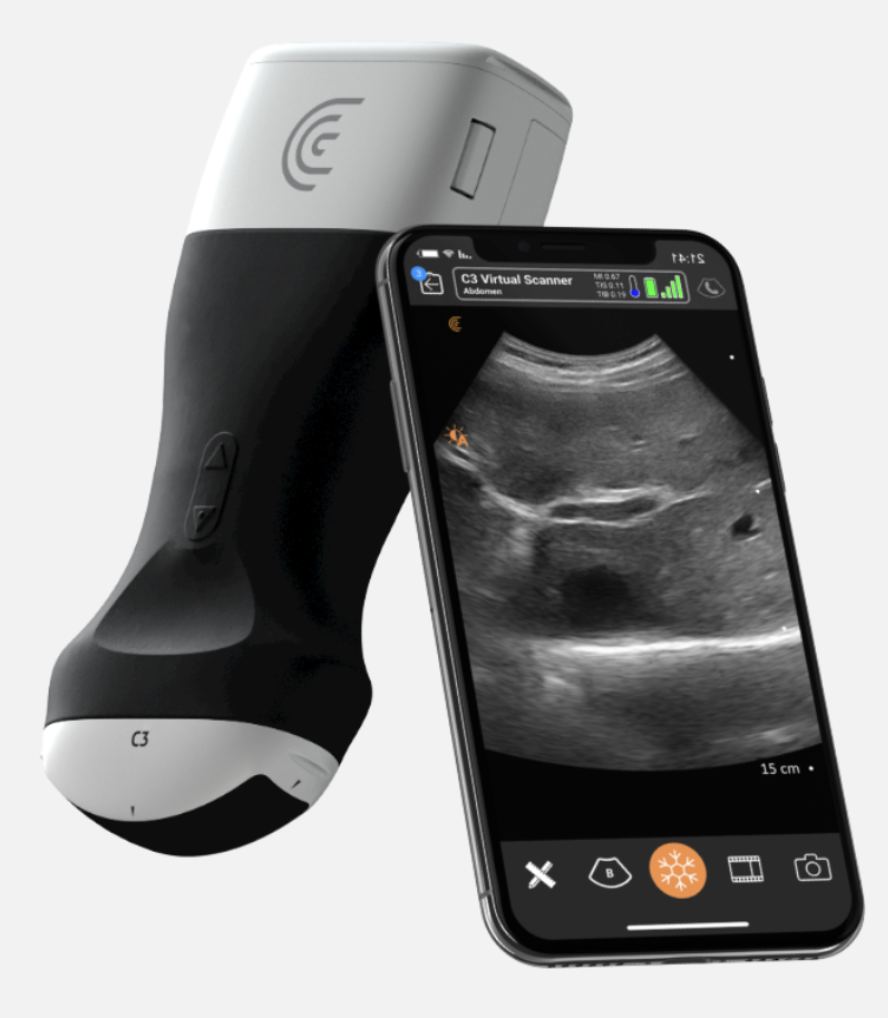
At Form & Function Chiropractic, Clarius MSK diagnostic ultrasound may be utilized when clinically indicated to evaluate the hamstring muscles and tendons for partial tearing or structural changes.
If deeper tissue injury must be evaluated, referral for advanced imaging such as MRI may be coordinated.

Why Hamstring Injuries Develop
Several factors may increase the risk of hamstring injury:
inadequate warm-up
poor running mechanics
muscle imbalance between quadriceps and hamstrings
fatigue during high-intensity activity
rapid increases in training volume
Addressing these factors helps reduce recurrence.
Related Conditions
Hamstring injuries may occur alongside:
When Should You Seek Treatment?
You should seek evaluation if you experience:
persistent pain in the back of the thigh
difficulty running or sprinting
weakness when bending the knee
pain lasting more than several weeks
Early evaluation helps determine the severity of injury and guide appropriate treatment.

Frequently Asked Questions
How long does a hamstring strain take to heal?
Recovery time depends on the severity of the injury and the specific tissue involved.
Can hamstring injuries occur in runners?
Yes. Hamstring strains are common in runners due to repetitive loading of the posterior chain.
Can shockwave therapy help hamstring injuries?
Shockwave therapy helps improve tissue responsiveness and support recovery in soft tissue injuries.