
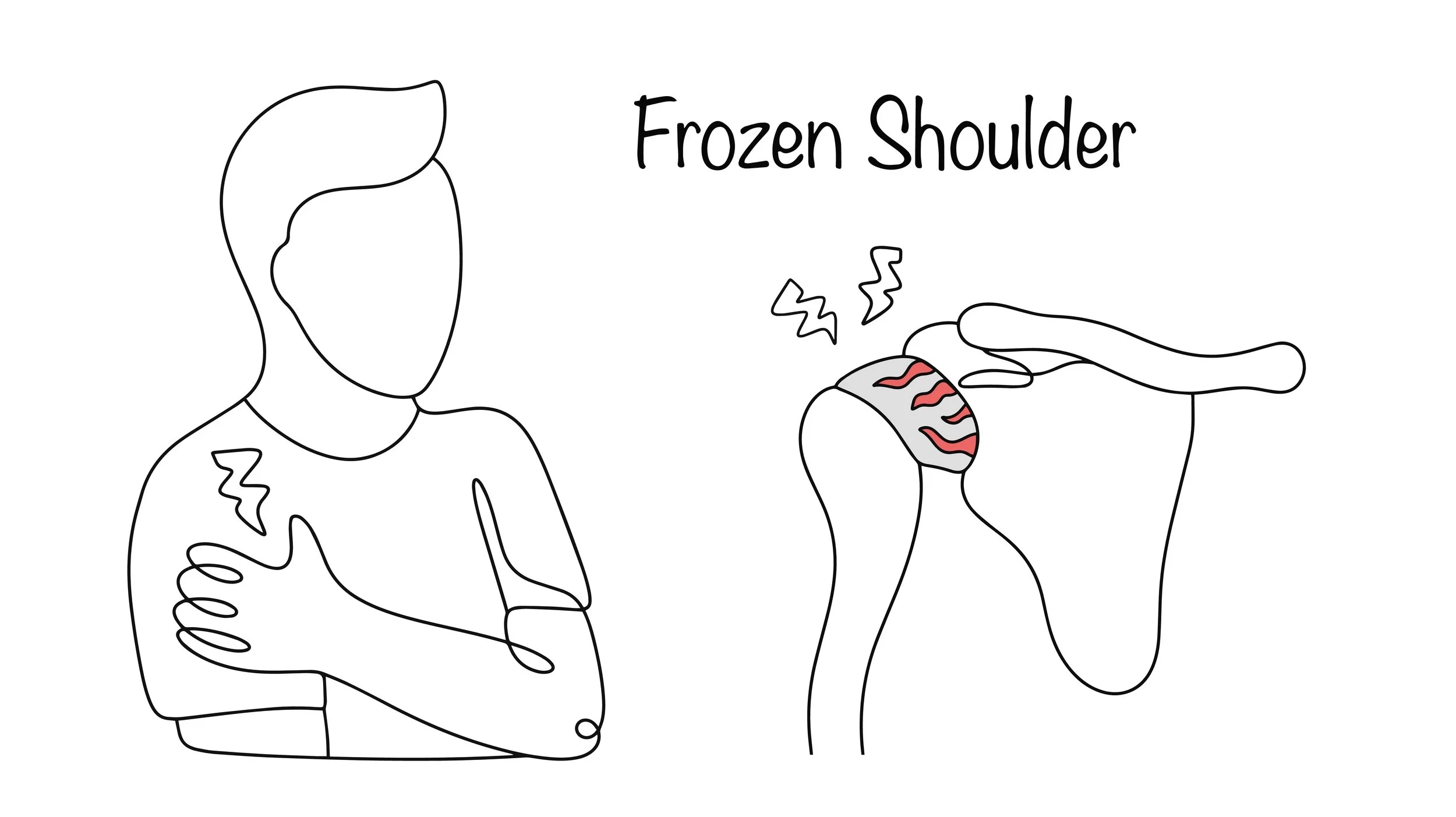
Frozen Shoulder (Adhesive Capsulitis) Treatment in Brooklyn
Frozen Shoulder (Adhesive Capsulitis) Treatment in Brooklyn
If you’re searching for frozen shoulder treatment in Brooklyn, you may be experiencing progressive stiffness, pain, and restricted shoulder movement that does not improve with stretching alone.
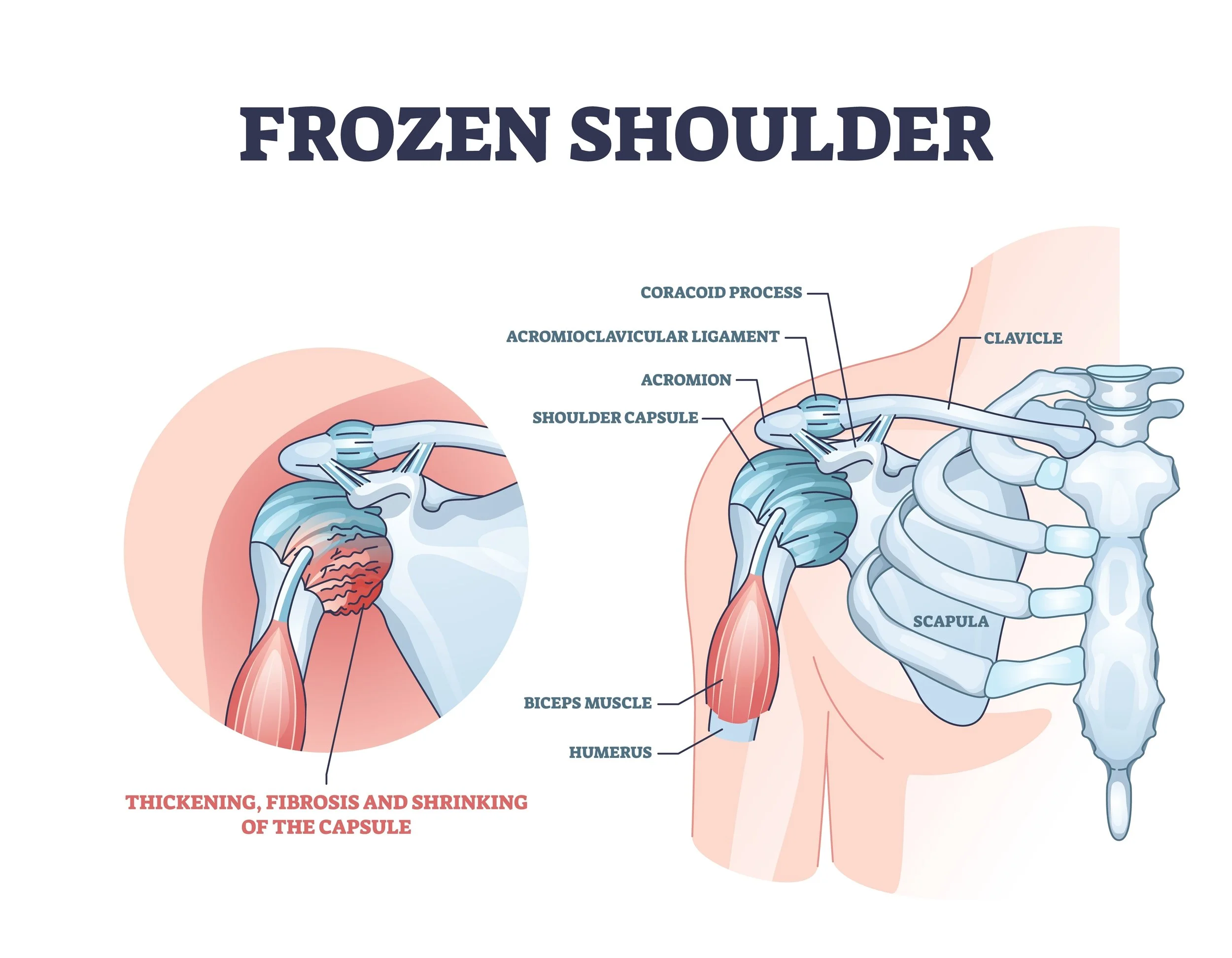
Frozen shoulder, also known as adhesive capsulitis, is a condition involving thickening and tightening of the shoulder joint capsule. Unlike rotator cuff tendinopathy, frozen shoulder primarily affects joint mobility rather than tendon strength.
At Form & Function Chiropractic, we evaluate shoulder stiffness carefully to differentiate adhesive capsulitis from tendon tears or impingement. When appropriate, we provide non-surgical care that may include progressive mobility work, structured rehabilitation, and regenerative shockwave therapy to improve comfort and function.
Our goal is restoring motion safely and efficiently.
What Is Frozen Shoulder?
Frozen shoulder is characterized by:
Progressive joint capsule tightening
Pain followed by stiffness
Loss of both active and passive range of motion
Difficulty reaching overhead or behind the back
It often develops gradually and may be associated with:
Previous shoulder injury
Diabetes
Thyroid disorders
Periods of immobilization
Frozen shoulder is a capsular problem — not primarily a tendon injury.
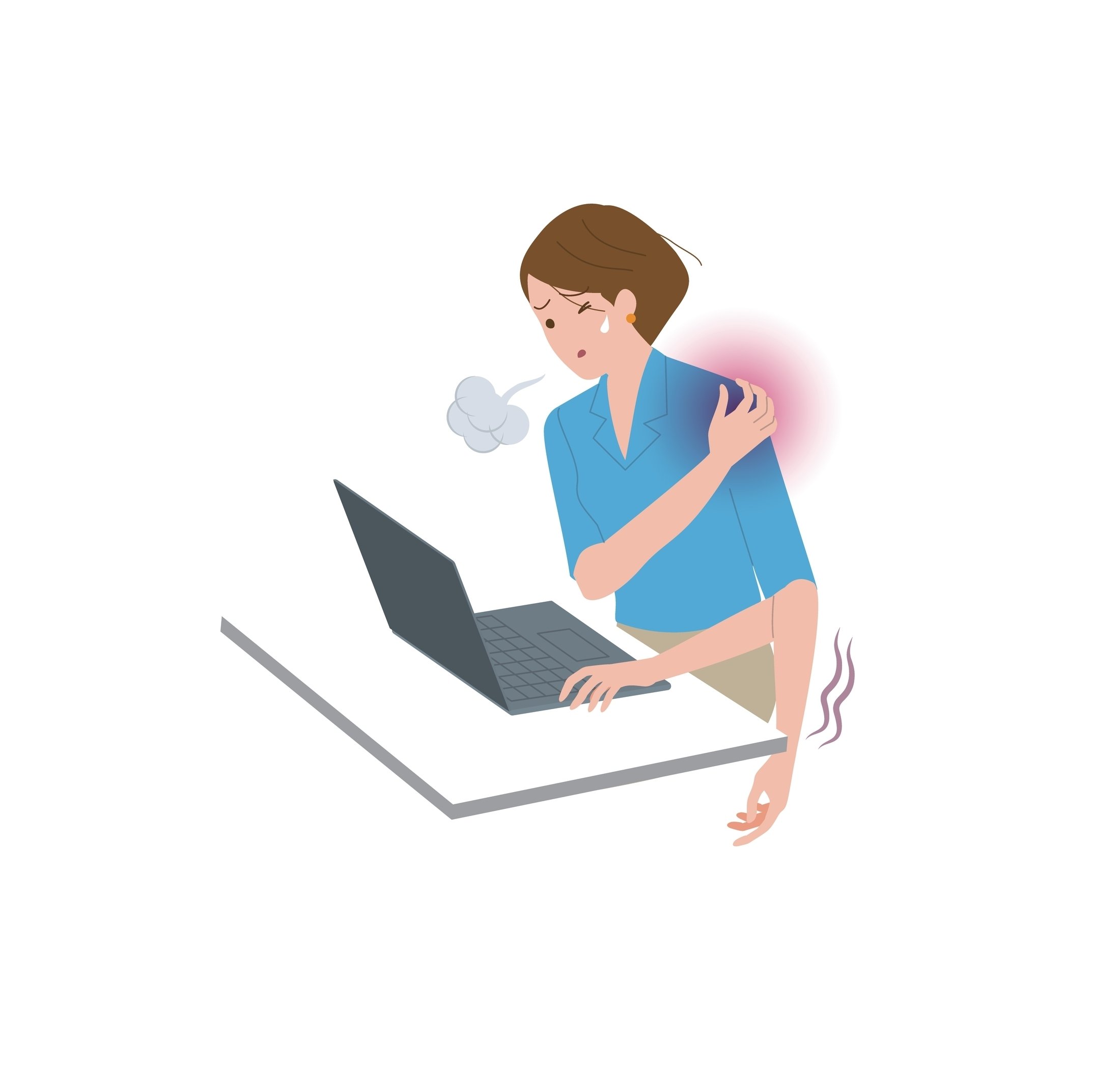
The Three Phases of Frozen Shoulder
Frozen shoulder typically progresses through three phases:
Freezing Phase
Increasing pain
Gradual loss of motion
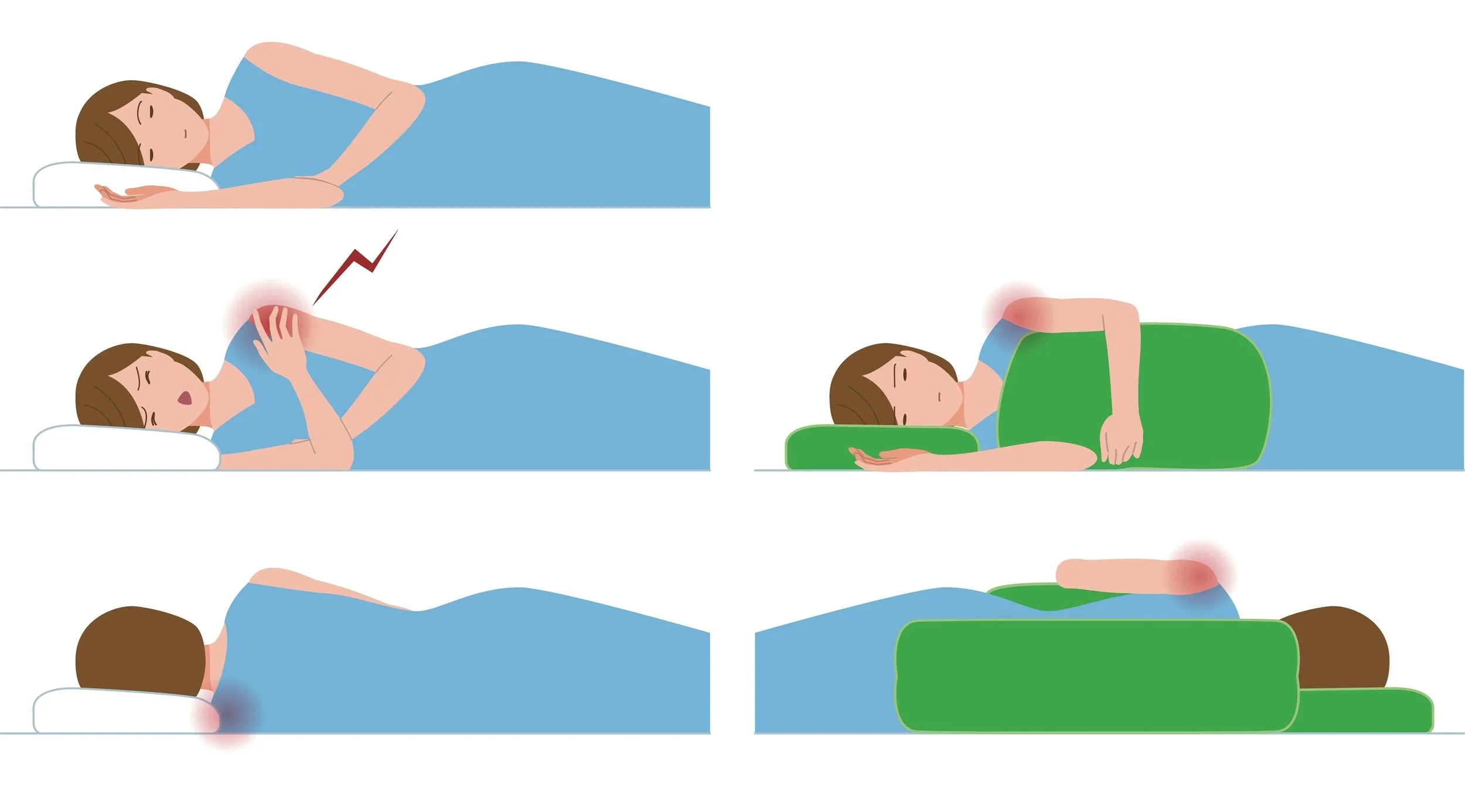
Night discomfort
Frozen Phase
Reduced pain
Marked stiffness
Significant mobility restriction
Thawing Phase
Gradual return of motion
Slow improvement over months
While frozen shoulder often follows a natural course, structured rehabilitation and adjunct therapies such as extracorporeal shockwave therapy and EMTT may help reduce pain, improve tolerance to mobility work, and support functional recovery during any of these phases.
Understanding the stage of the condition helps guide appropriate treatment strategy.
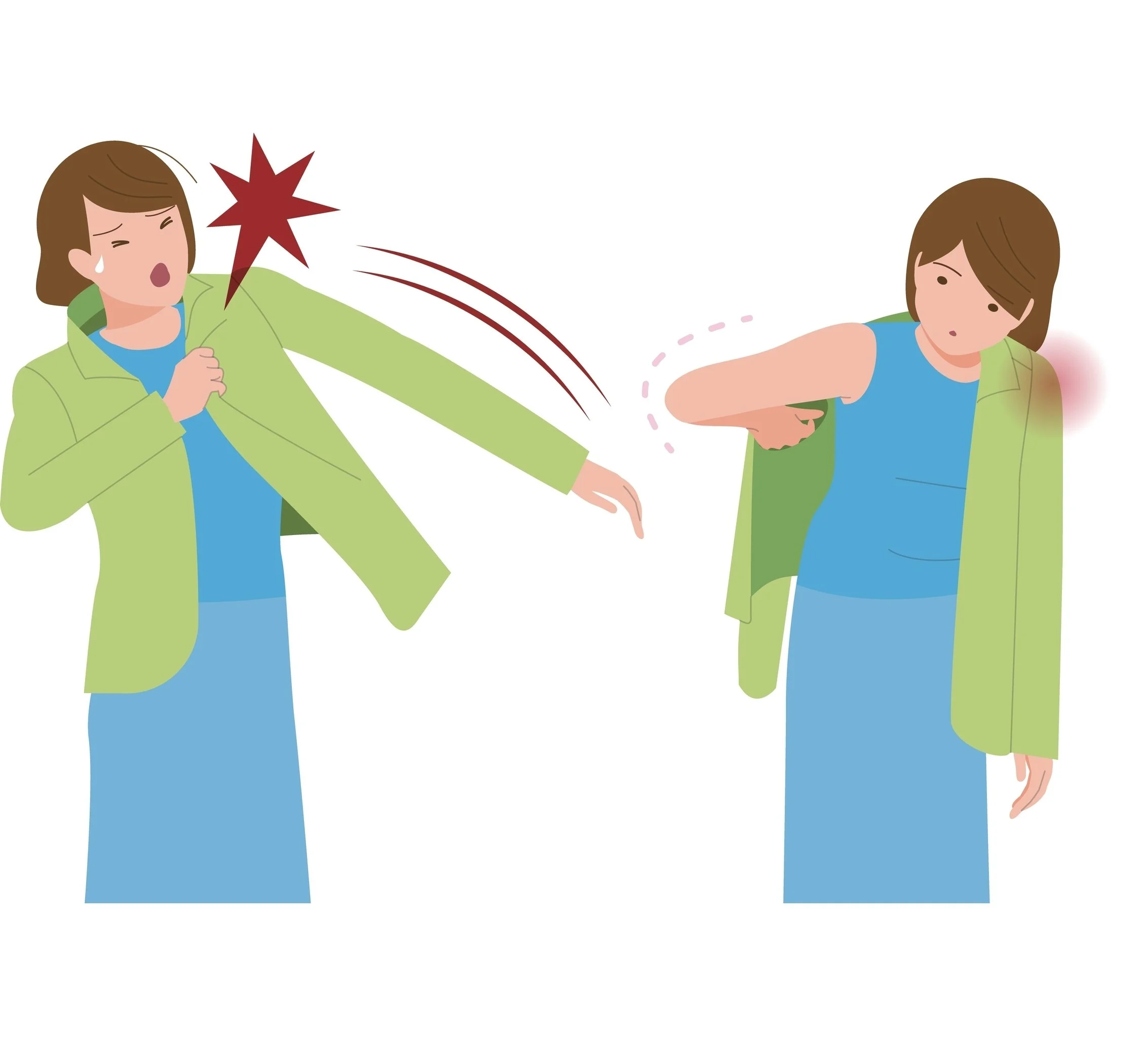
Frozen Shoulder vs Rotator Cuff Injury
Shoulder pain does not always mean tendon damage.
Frozen Shoulder
Severe stiffness
Loss of passive motion
Pain secondary to capsular restriction
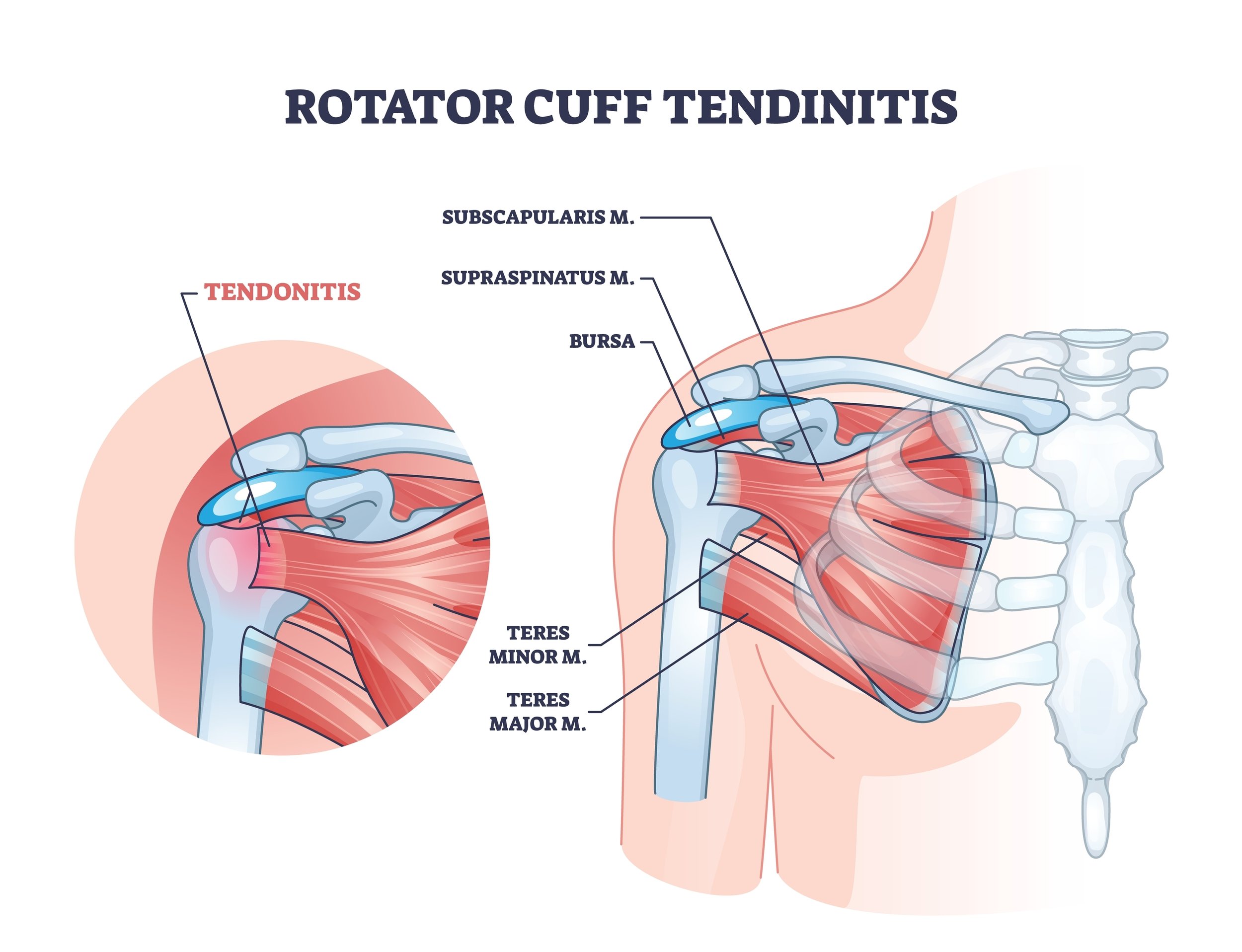
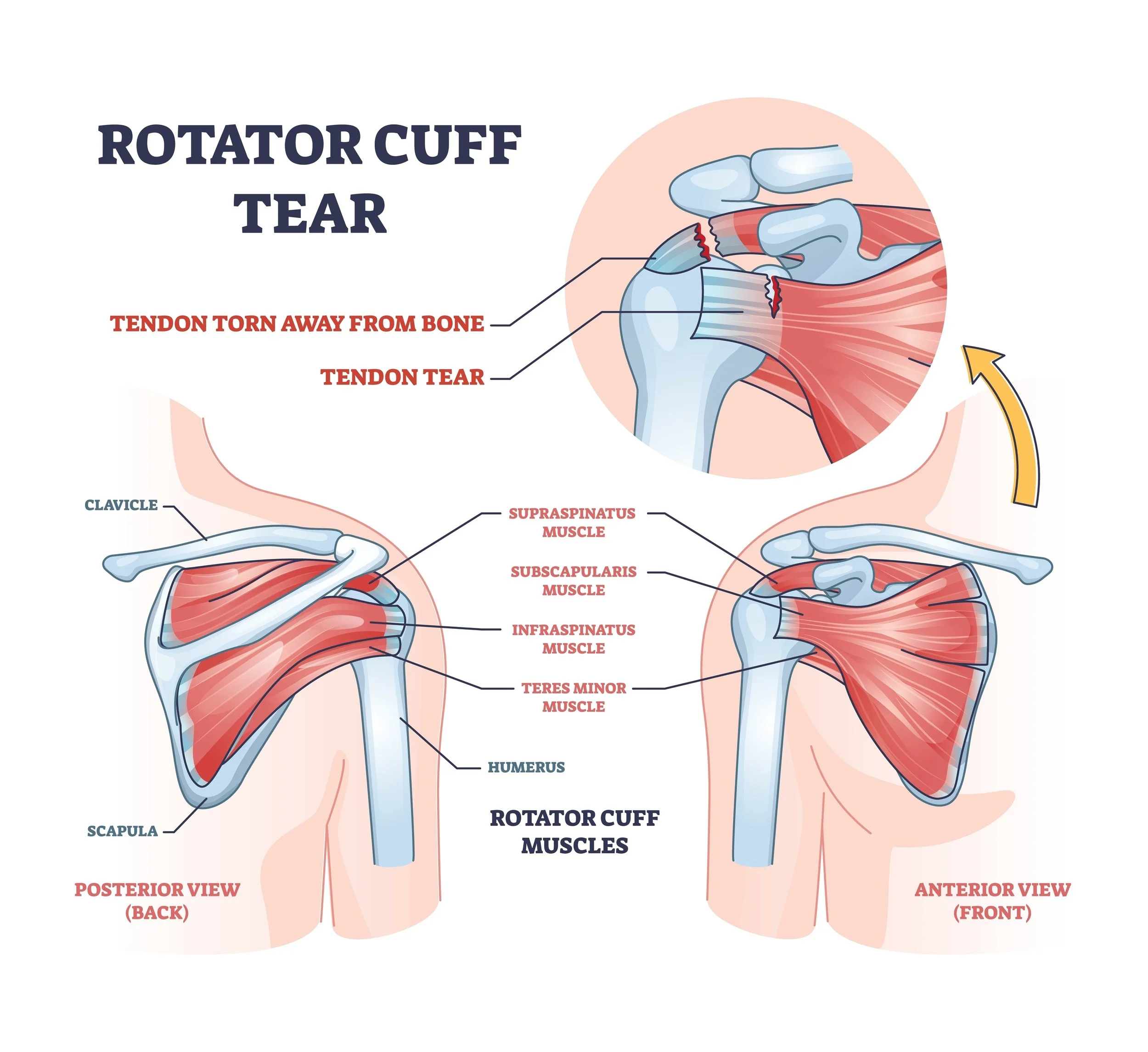
Rotator Cuff Tendinopathy or Tear
Pain with movement
Strength deficits
Preserved passive range of motion
Accurate differentiation determines whether mobility restoration or tendon rehabilitation is prioritized.
Precision Multimodal Regenerative Treatment in Brooklyn
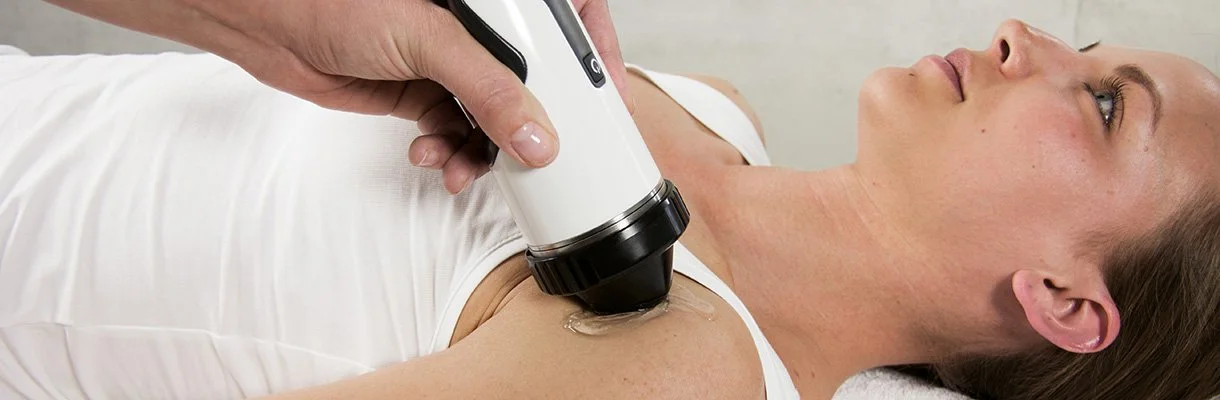
At Form & Function Chiropractic, we utilize a precision, multimodal regenerative strategy tailored to the specific tissue and stage of injury. In adhesive capsulitis, shockwave may be used strategically to reduce pain sensitivity and improve tolerance to capsular mobility work.
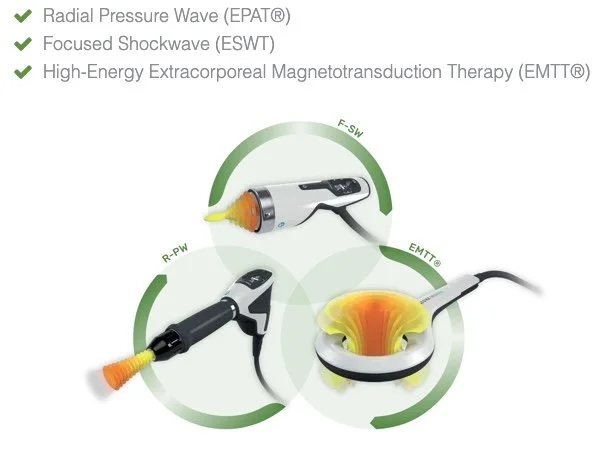
Focused Extracorporeal Shockwave Therapy (ESWT)
Focused ESWT is used to deliver controlled mechanical stimulation to degenerative or overloaded tissue. This promotes biological signaling, supports tissue remodeling, and improves load tolerance in chronic tendon and soft tissue conditions.
Radial Shockwave (EPAT®)
Radial shockwave addresses broader myofascial overload patterns and supports regional circulation and tissue responsiveness.
EMTT (Extracorporeal Magnetotransduction Therapy)
EMTT is integrated into every regenerative protocol to enhance cellular metabolism and complement mechanical stimulation. When combined with progressive rehabilitation, it reinforces the biological environment necessary for recovery.
Structured Rehabilitation & Load Progression
Regenerative therapies are not standalone treatments. They are paired with phase-specific mobility, strengthening, and load progression strategies to restore long-term capacity and prevent recurrence.
This comprehensive approach targets both tissue biology and biomechanical drivers of pain.
Related Shoulder Conditions
Shoulder pain may also involve:
Biceps tendinopathy
Shoulder impingement
Accurate evaluation ensures the correct structure is treated.
When Imaging Is Necessary
Frozen shoulder is often diagnosed clinically.
Imaging may be recommended when:
Full-thickness rotator cuff tear is suspected
Significant trauma occurred
Symptoms are atypical
At Form & Function Chiropractic, we utilize in-house Clarius MSK diagnostic ultrasound when clinically indicated to evaluate tendon integrity and rule out structural tears. If advanced imaging such as MRI is necessary, referral is coordinated appropriately.
Who Should Seek Evaluation?
You should seek evaluation if you experience:
Progressive shoulder stiffness
Difficulty reaching overhead
Pain at night
Limited passive range of motion
Gradual worsening without trauma
Pain in excess of several months
Early intervention improves comfort and prevents prolonged restriction.