
Patellar Tendinopathy Treatment in Brooklyn (Jumper’s Knee Rehabilitation)
At Form & Function Chiropractic in Brooklyn, patellar tendinopathy treatment focuses on identifying the mechanical and training-related factors contributing to tendon overload while restoring tissue capacity through regenerative therapy and progressive rehabilitation strategies.
Patellar tendinopathy — often called jumper’s knee — develops when repetitive loading exceeds the tendon’s ability to recover and adapt. This condition commonly affects runners and active individuals during periods of rapid training progression, increased speed or hill work, or reduced lower-extremity strength capacity.
Early intervention and structured load management can help reduce symptom persistence, improve tendon resilience, and support a safe return to running and sport.
Understanding Patellar Tendon Pain
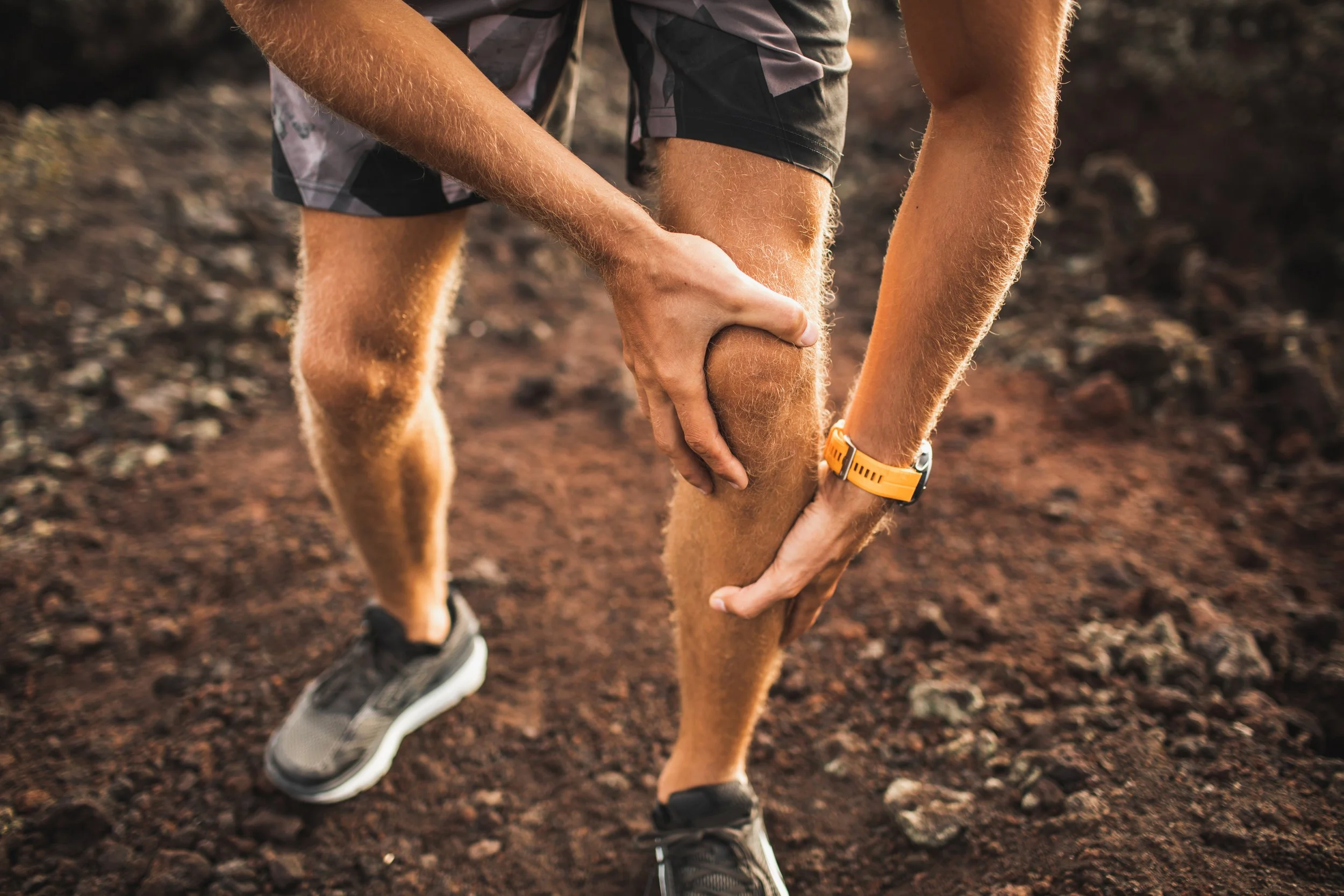
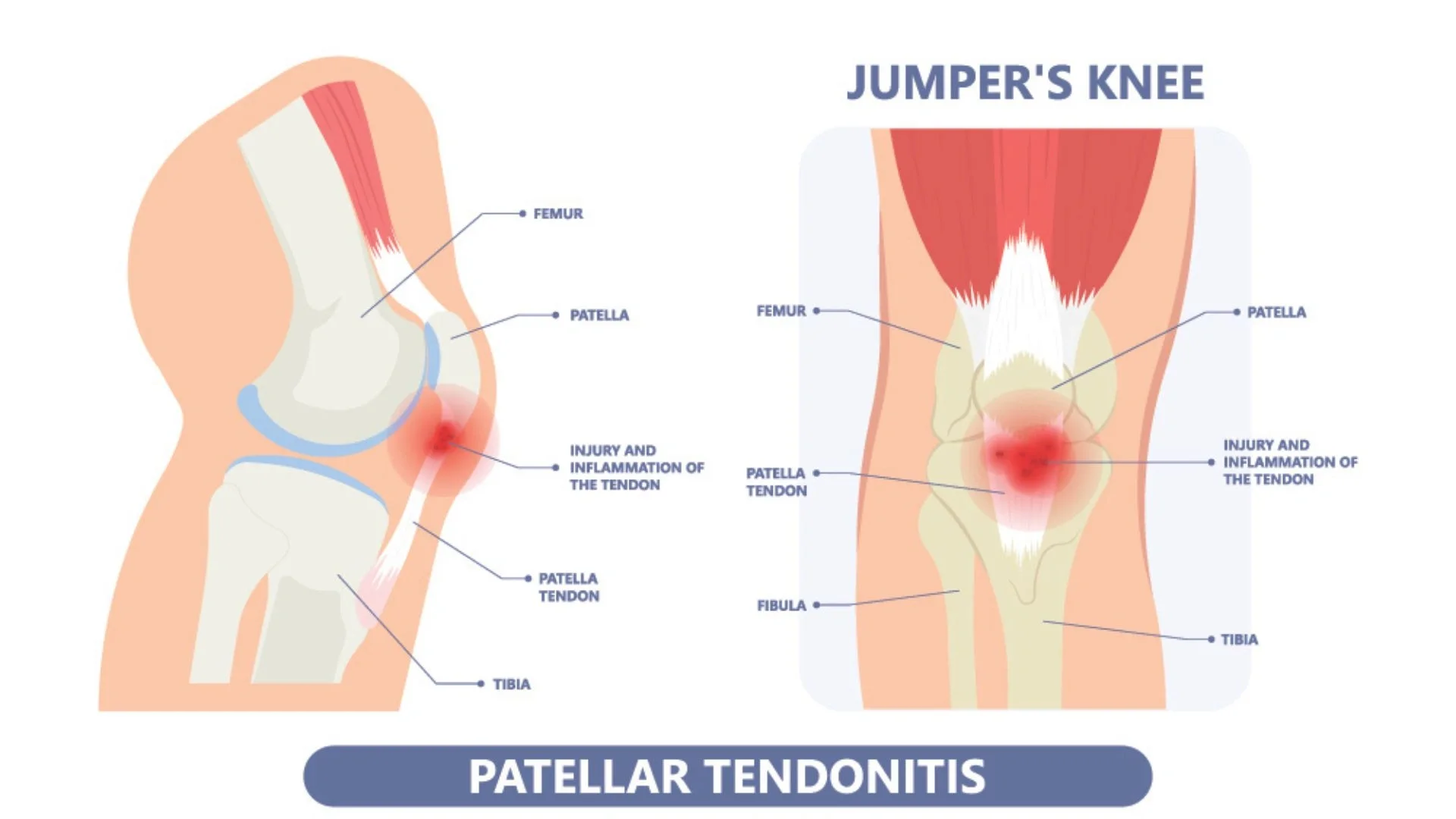
Patellar tendon pain typically presents at the lower portion of the kneecap and increases with activities that load the quadriceps such as running, jumping, or stair climbing. The condition is associated with repeated mechanical loading rather than purely inflammatory processes.
Without appropriate load management and progressive strengthening, symptoms may persist for months and limit return to sport performance.
Why Patellar Tendinopathy Keeps Coming Back
Recurrence risk increases when:
• rapid training progression continues
• strength deficits remain
• movement inefficiencies are not addressed
• recovery and tissue capacity mismatch persists
A comprehensive rehabilitation strategy helps reduce recurrence and improve long-term performance tolerance.
Precision Regenerative Treatment and Load Restoration Strategy
Patellar tendinopathy is not simply an inflammatory condition — it reflects a mismatch between tendon loading and the tissue’s ability to recover and adapt.
Effective treatment therefore requires more than symptom management. It must address both the biological environment of the tendon and the mechanical demands placed on it during running, jumping, and daily activity.
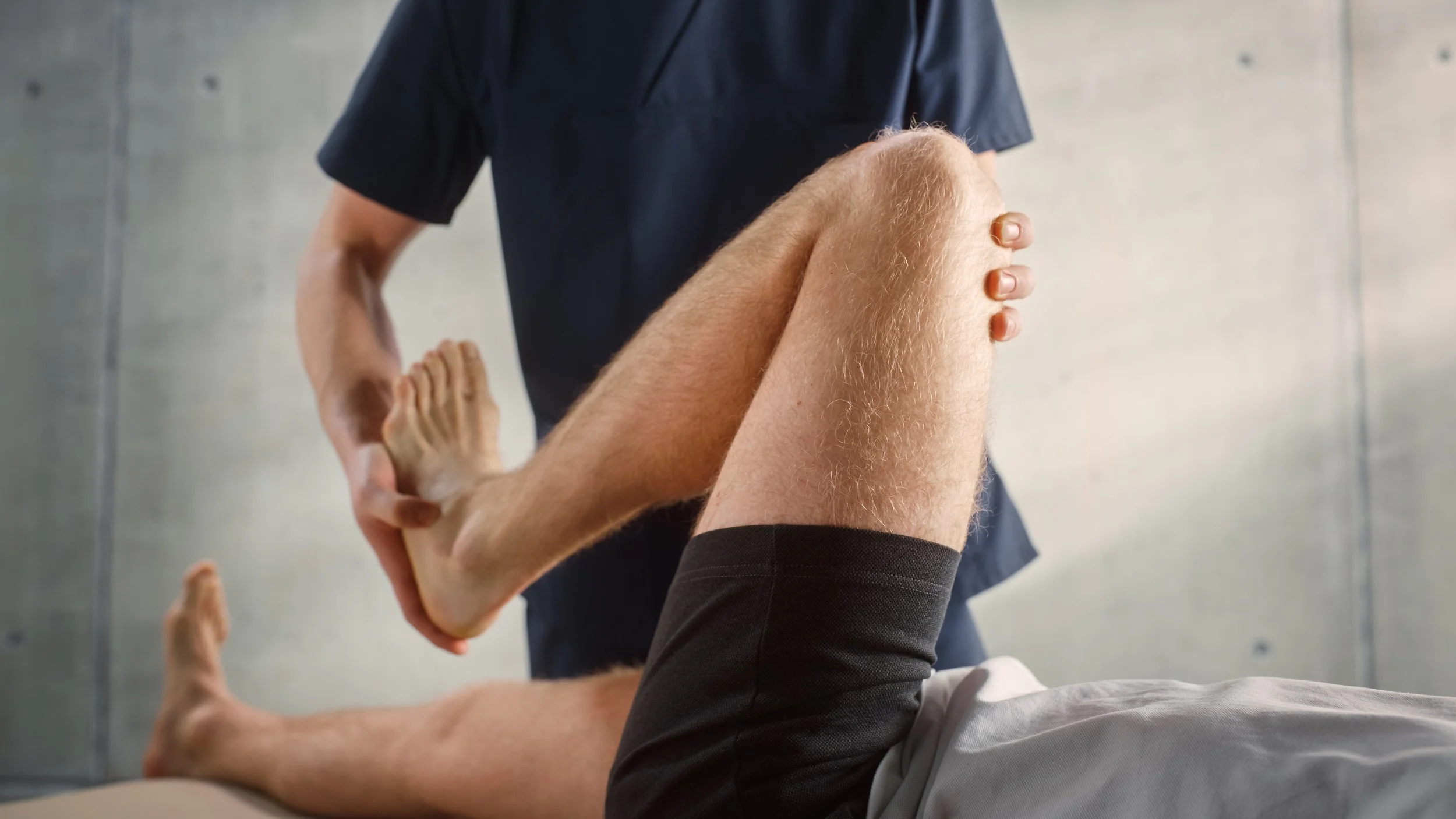
At Form & Function Chiropractic, care is structured to reduce tendon pain sensitivity, improve tissue responsiveness, and progressively restore load tolerance.
Focused Shockwave and Radial Pressure Wave Therapy
Shockwave therapy delivers controlled mechanical stimulation to the patellar tendon and surrounding structures. This stimulus may help influence pain sensitivity, improve local circulation, and enhance the tendon’s response to progressive loading.
Focused shockwave is often used for more localized or persistent tendon involvement, while radial pressure wave may address contributing myofascial overload in the quadriceps and surrounding kinetic chain.
EMTT (Extracorporeal Magnetotransduction Therapy)
EMTT may be integrated to support cellular metabolism and regenerative signaling in chronically overloaded tendon tissue.
When combined with mechanical stimulation strategies such as shockwave therapy, EMTT enhances the biological environment for tendon adaptation — particularly in cases where recovery has plateaued.
Photobiomodulation Therapy (Laser Therapy)
Laser therapy using red and near-infrared wavelengths may be incorporated to support inflammatory modulation and improve tolerance to progressive loading strategies.
This can be particularly useful in reducing pain reactivity during early-stage rehabilitation.
Functional Range Conditioning and Movement Control
Restoring tendon capacity requires not only strength, but precise control of joint motion and load distribution.
Functional Range Conditioning (FRC®) principles may be incorporated to improve:
• knee joint control under load
• hip and ankle contribution to force absorption
• tissue resilience through controlled range of motion
• coordination of the lower kinetic chain
Improving movement control helps reduce excessive stress on the patellar tendon during running, jumping, and deceleration tasks.
Progressive Tendon Load Capacity Development
Long-term resolution of patellar tendon pain depends on restoring the tendon’s ability to tolerate load — not avoiding it.
Rehabilitation follows a staged progression that may include:
• isometric loading for pain modulation
• heavy slow resistance training to improve tendon stiffness and strength
• energy-storage loading such as controlled jumping and deceleration work
• hip and posterior chain strengthening to reduce knee-dominant overload
Load is progressed based on symptom response, functional tolerance, and performance demands.
Running Mechanics and Load Management Considerations
For runners and active individuals, patellar tendon stress is often influenced by training structure, cadence, stride mechanics, and surface exposure.
A detailed overview of running gait analysis and return-to-running strategy is provided in the following section.
Return-to-Running Strategy and Load Progression
Many running injuries are influenced by stride mechanics, cadence, terrain exposure, and training progression.
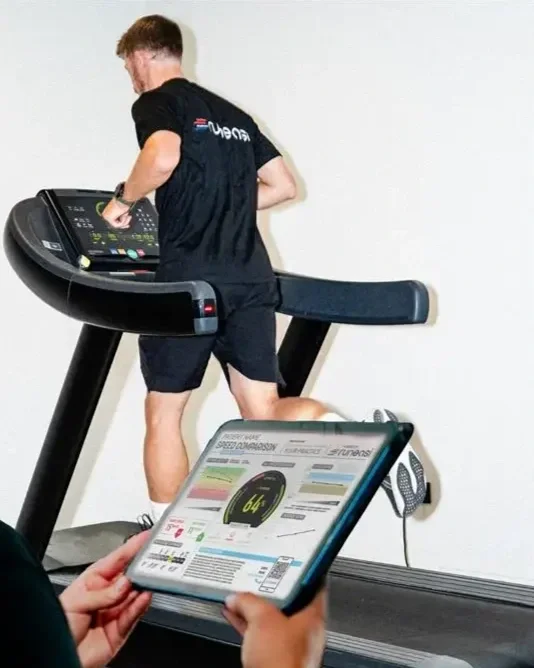
When appropriate, biomechanical running gait analysis and individualized return-to-running coaching may be incorporated to help improve load tolerance and reduce reinjury risk.
👉 Explore our running gait analysis and performance coaching services
Frequently Asked Questions About Patellar Tendinopathy
-
Patellar tendinopathy is a load-related condition affecting the patellar tendon, typically presenting as pain at the lower portion of the kneecap during activities such as running, jumping, or stair use.
-
Jumper’s knee develops when repetitive loading exceeds the tendon’s ability to recover and adapt. Common contributors include rapid training progression, jumping or speed work, strength deficits, and poor load distribution through the lower extremity.
-
Mild cases may improve with temporary load reduction, but persistent symptoms typically require structured rehabilitation to restore tendon capacity and prevent recurrence.
-
Not always. Many runners can continue modified training depending on symptom severity, but load often needs to be reduced or adjusted to allow the tendon to recover.
-
Progressive loading strategies are key. These may include isometric exercises for pain modulation, heavy slow resistance training for tendon adaptation, and eventually energy-storage exercises such as jumping and deceleration work.
-
Recovery timelines vary widely and may range from several weeks to several months depending on severity, training demands, and consistency of rehabilitation.
In some cases, incorporating regenerative therapies such as focused shockwave and EMTT may help improve tissue responsiveness and reduce pain sensitivity, allowing for more effective progression through loading-based rehabilitation. When combined with structured strength development and load management, this approach may help accelerate overall recovery timelines.
-
Shockwave therapy may be used in chronic cases to help influence tendon pain sensitivity and improve tissue responsiveness, particularly when combined with progressive loading strategies.
-
EMTT may support cellular metabolism and biological repair processes in chronically overloaded tendon tissue, helping improve the environment for tendon adaptation when recovery has plateaued.
-
Return to running is typically introduced gradually once the tendon can tolerate loading without significant symptom flare and symptoms remain stable within 24 hours after activity.
-
Yes. Recurrence is common if underlying contributors such as training errors, strength deficits, or movement inefficiencies are not addressed.
Don’t Let Patellar Tendon Pain Prolong Your Recovery
Patellar tendinopathy often lingers when tendon loading and tissue capacity are not properly addressed. A structured approach that combines regenerative therapy with progressive strength and load management can help restore tendon resilience and reduce time away from training.
Book your evaluation today and take the next step toward stronger, more confident movement.