

Lower Extremity Sprain & Strain Treatment in Brooklyn for Runners & Active Adults
Lower extremity sprains and strains are among the most common injuries affecting runners, athletes, and active individuals — often limiting performance and daily activity if not properly treated.
At Form & Function Chiropractic in Brooklyn, treatment focuses on reducing pain, restoring tissue capacity, and preventing recurrence using a combination of regenerative therapy and load-based rehabilitation.
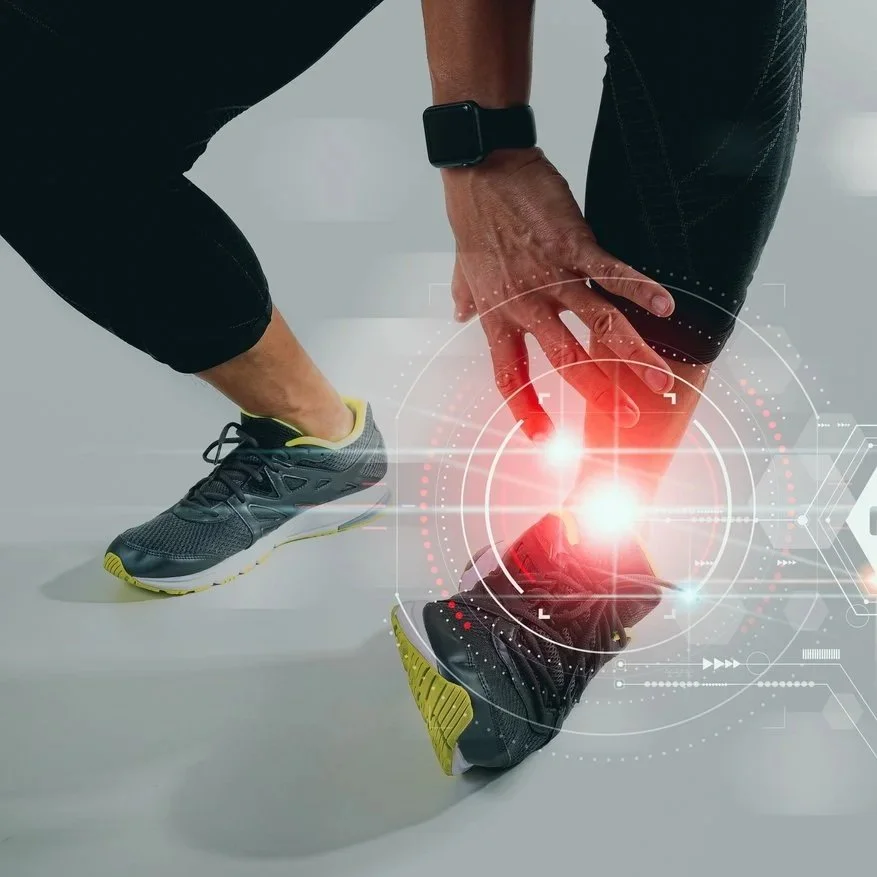
What Are Lower Extremity Sprains and Strains?
Sprains and strains refer to injuries affecting the soft tissues of the lower body:
Sprains involve ligaments (supporting joints)
Strains involve muscles or tendons
These injuries commonly affect the:
ankle
calf
hamstring
quadriceps
hip
They often occur due to overuse, sudden loading, or poor movement control.
What Causes Sprains and Strains?
These injuries are rarely random — they are usually the result of how load is applied to tissue over time.
Common contributing factors include:
rapid increases in training volume or intensity
poor movement mechanics
muscle weakness or imbalance
reduced joint control
fatigue and decreased tissue tolerance
Overuse and poor biomechanics are well-recognized contributors to these injuries.
Common Symptoms of Sprains and Strains
localized pain in muscle or joint
swelling or tenderness
stiffness or reduced range of motion
pain with movement or activity
weakness or instability
Symptoms can range from mild irritation to more significant tissue injury.
Why Sprains and Strains Keep Coming Back
Many injuries recur because treatment focuses only on symptoms instead of capacity.
Sprains and strains often return when:
strength is not fully restored
movement patterns remain unchanged
load progression is too aggressive
return to activity is rushed
If tissue capacity is not rebuilt, the same stress will reproduce the injury.
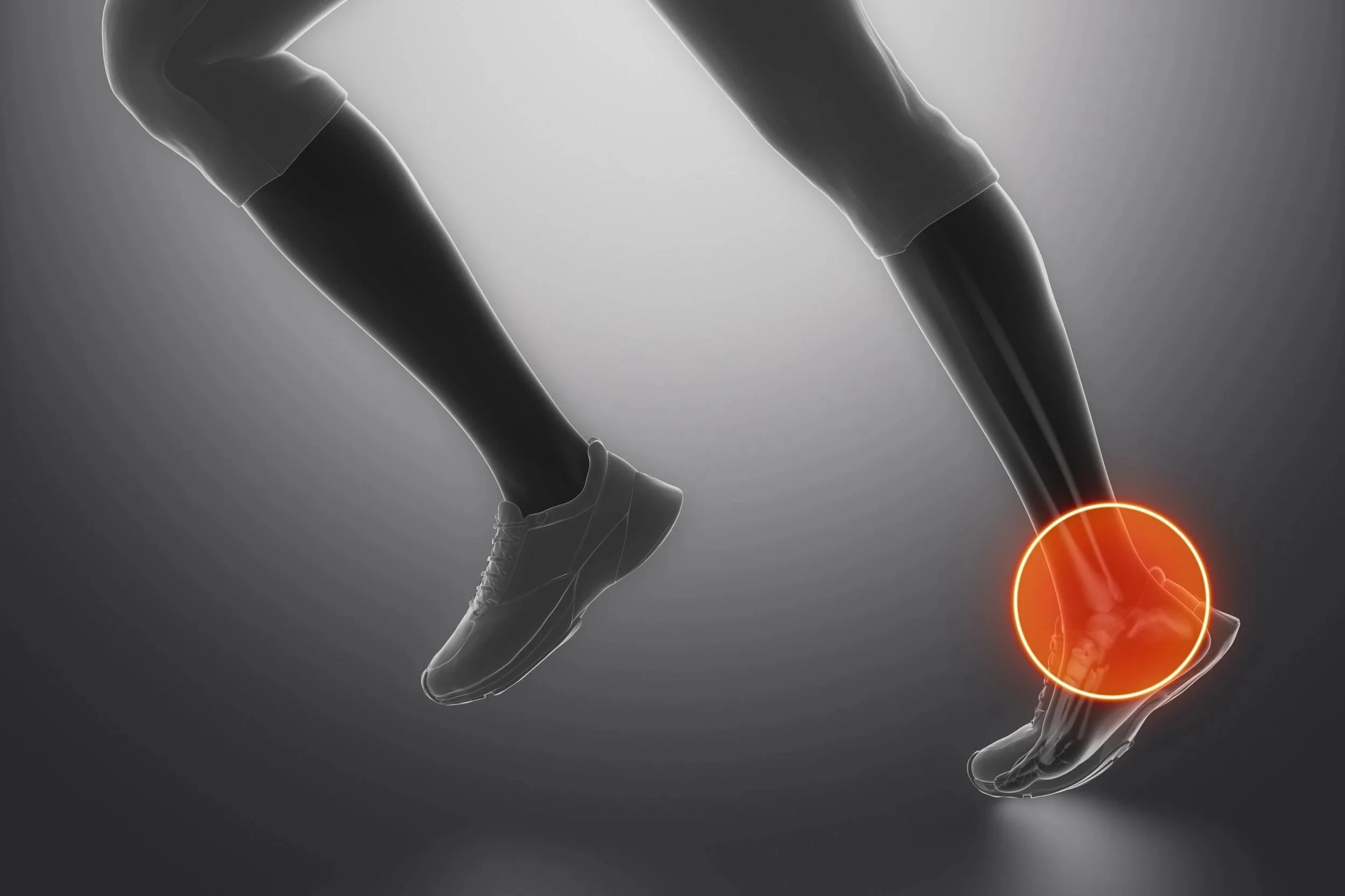
Why Rest and Passive Treatment Aren’t Enough
Rest, ice, and basic therapy may reduce symptoms temporarily — but they do not restore the tissue’s ability to handle load.
Without rebuilding:
strength
control
movement efficiency
👉 the risk of reinjury remains high
Pain Relief Is Not the Same as Recovery
Pain can decrease before tissue is fully recovered.
Returning to activity too early is one of the most common reasons these injuries persist.
👉 True recovery means restoring capacity — not just eliminating pain.

Regenerative Therapy & Advanced Modalities
Advanced therapies are used to reduce pain and improve tissue response.
Shockwave Therapy (Focused & Radial Pressure Wave)
Shockwave therapy helps:
reduce pain sensitivity
stimulate tissue remodeling
improve circulation
Used for tendon, muscle, and ligament injuries.
EMTT (Extracorporeal Magnetotransduction Therapy)
EMTT supports:
cellular repair
tissue healing
inflammation reduction
Often combined with shockwave therapy for enhanced effect.
Laser Therapy (Photobiomodulation)
Laser therapy improves:
cellular energy production
healing efficiency
recovery time
Used as part of a comprehensive treatment plan.
Functional Range Conditioning (FRC®) & Load-Based Rehabilitation
Long-term recovery depends on restoring how tissue handles load.
Treatment includes:
progressive strength development
joint control and mobility
single-leg stability
movement retraining
Using Functional Range Conditioning (FRC®) principles, care improves resilience and reduces reinjury risk.
Pain Relief Is Not the Same as Recovery
Pain can decrease before tissue is fully recovered.
Returning to activity too early is one of the most common reasons these injuries persist.
True recovery means restoring capacity — not just eliminating pain.
Frequently Asked Questions About Lower Extremity Sprains and Strains
-
The best treatment is not just rest — it is a structured plan that reduces pain, improves tissue healing, and rebuilds capacity.
At Form & Function Chiropractic, treatment may combine regenerative therapies such as focused shockwave, radial pressure wave, EMTT, and laser therapy with Functional Range Conditioning® (FRC®) and progressive rehabilitation.
The goal is not just to calm the injury down — it is to restore strength, control, and confidence so the tissue can handle load again.
-
A sprain involves a ligament, which connects bone to bone and helps stabilize a joint.
A strain involves a muscle or tendon, which helps produce and control movement.
Both can cause pain, swelling, and reduced function, but the treatment strategy may differ depending on which structure is involved and how severe the injury is.
-
These injuries usually come back because the tissue may feel better before it is actually ready to tolerate full load.
Common reasons include:
returning to activity too quickly
not restoring full strength and control
poor movement mechanics
inadequate rehab progression
Pain relief is not the same as recovery. If tissue capacity is not rebuilt, the same stress that caused the injury can reproduce it.
-
Not usually.
Relative rest may be needed early, especially when pain, swelling, or limping is present. But complete rest for too long often delays recovery by reducing strength, mobility, and tissue tolerance.
Most injuries improve best with the right amount of load at the right time.
-
Yes — in the right case.
Shockwave therapy can help reduce pain sensitivity, improve circulation, and stimulate tissue healing response in injured muscles, tendons, and ligaments. It is especially useful in more persistent or slow-to-resolve cases.
It works best as part of a broader plan that also restores strength, movement, and load tolerance.
-
EMTT and laser therapy are used to support the biological side of recovery.
They may help:
improve cellular activity
support tissue healing
reduce inflammation and pain
improve tolerance to rehabilitation
These therapies are not a substitute for rehab — they help create a better environment for recovery while the tissue is being progressively reloaded.
-
Not always — but when needed, imaging can be done in-office.
At Form & Function Chiropractic, when appropriate we use in-house Clarius MSK diagnostic ultrasound this allows for real-time evaluation of soft tissue injuries, including muscles, tendons, and ligaments.
Imaging is typically used when:
symptoms are not improving as expected
a more significant strain, sprain, or tear is suspected
the diagnosis needs clarification
it will directly guide treatment decisions
Ultrasound (Clarius) provides dynamic, real-time assessment, meaning tissues can be evaluated during movement — not just at rest like an MRI.
-
That depends on the tissue involved, the severity of the injury, and how consistent treatment is.
Milder cases may improve in 2 to 6 weeks, while more significant or recurrent injuries may take longer.
Healing time is also influenced by whether the tissue is being managed correctly — especially with respect to progressive loading and return to activity.
-
Return to run or activity should be based on:
pain response
strength and stability
movement quality
tissue tolerance under load
Not just the calendar.
A gradual progression helps reduce the risk of reinjury and gives the tissue time to adapt.
-
Most care plans focus on either symptom relief or generic exercises.
Our approach combines:
regenerative therapies to support healing
Functional Range Conditioning® (FRC®) to improve joint control and mobility
progressive rehabilitation to rebuild strength and resilience
structured return-to-activity guidance to reduce reinjury risk
The goal is not just to get you out of pain — it is to make the injured area more capable than it was before.
Don’t Let Sprains & Strains Limit What You Can Do
Rebuild strength, control, and tissue capacity with a structured, non-surgical approach.
Reduce pain. Restore strength. Return to activity with confidence.