

Knee Osteoarthritis (OA) Treatment in Brooklyn Without Injections or Surgery
Knee osteoarthritis (OA) is one of the most common causes of knee pain, stiffness, and reduced mobility.
It involves progressive cartilage degeneration and joint stress. While it is common with aging, it is not simply “wear and tear.” Joint loading patterns, muscle strength, and inflammation all contribute to symptom progression.
At Form & Function Chiropractic, we provide non-surgical knee osteoarthritis care using a structured, multimodal regenerative treatment program with movement-based rehabilitation, and load management strategies.
Our goal is to improve joint tolerance, reduce pain, and restore functional capacity.

What Is Knee Osteoarthritis?
Knee osteoarthritis is a degenerative joint condition involving gradual breakdown of cartilage, changes in bone, and joint inflammation.
This leads to:
pain with movement
stiffness, especially after inactivity
reduced mobility
difficulty with walking, stairs, or exercise
It is not just “wear and tear” — it is a load and joint capacity problem.
LOAD > CAPACITY = PAIN
Why Knee Osteoarthritis Gets Worse Over Time
Osteoarthritis progresses when joint stress exceeds the body’s ability to adapt.
Common contributors include:
poor joint mechanics
muscle weakness
reduced mobility
excess load on the joint
inactivity or improper activity
Without addressing these factors, symptoms often worsen over time.
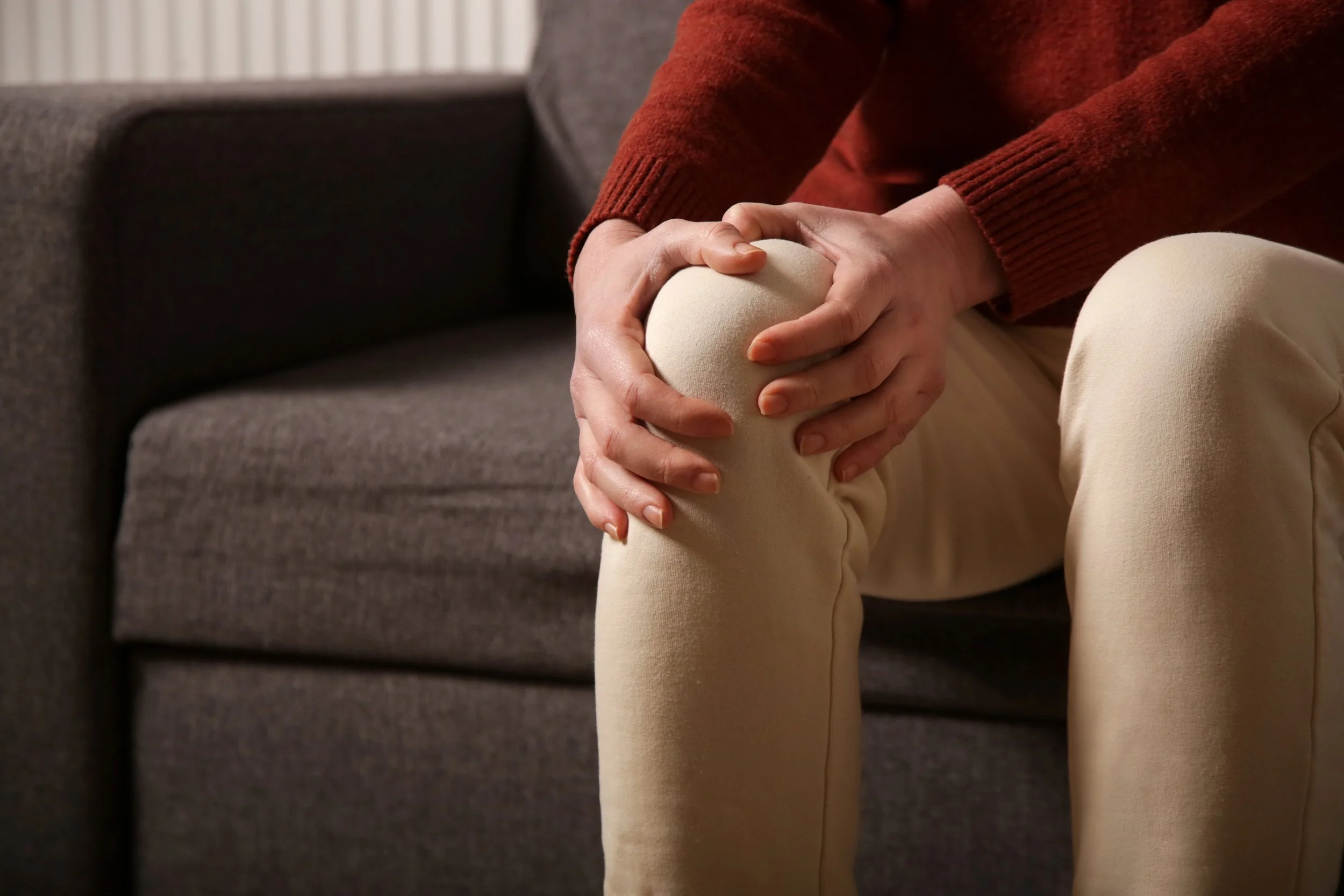
Common Symptoms of Knee Osteoarthritis
deep, aching knee pain
stiffness (especially in the morning or after sitting)
swelling or joint irritation
clicking or grinding sensations
reduced range of motion
difficulty with stairs, walking, or exercise
Why Traditional Treatment Often Falls Short
Many approaches focus only on symptom relief:
Rest - Medications - Injections
While these may reduce pain temporarily, they often do not improve joint function or load capacity.
This is why symptoms frequently return or progress.
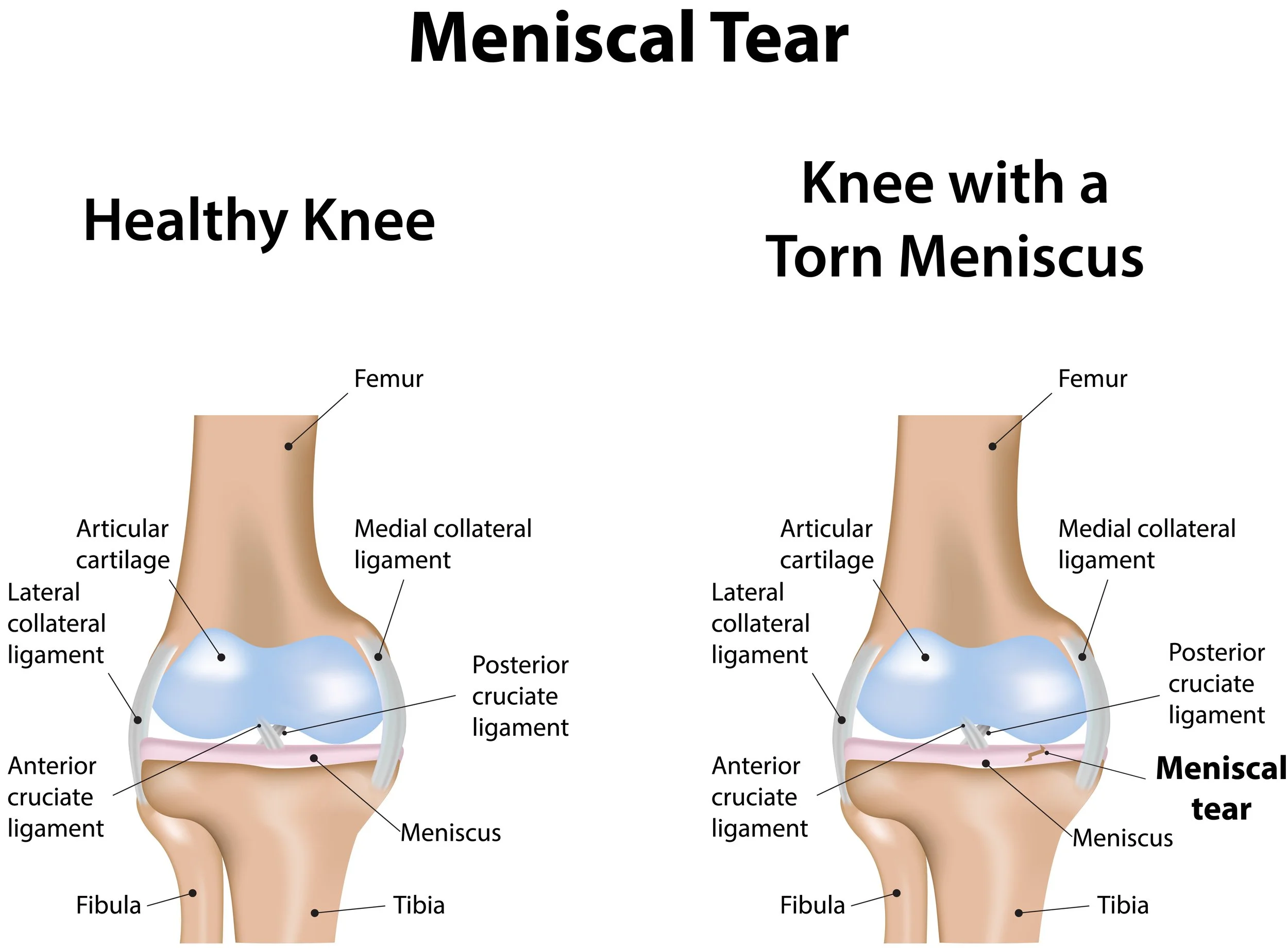
Knee Osteoarthritis vs Meniscus Injury
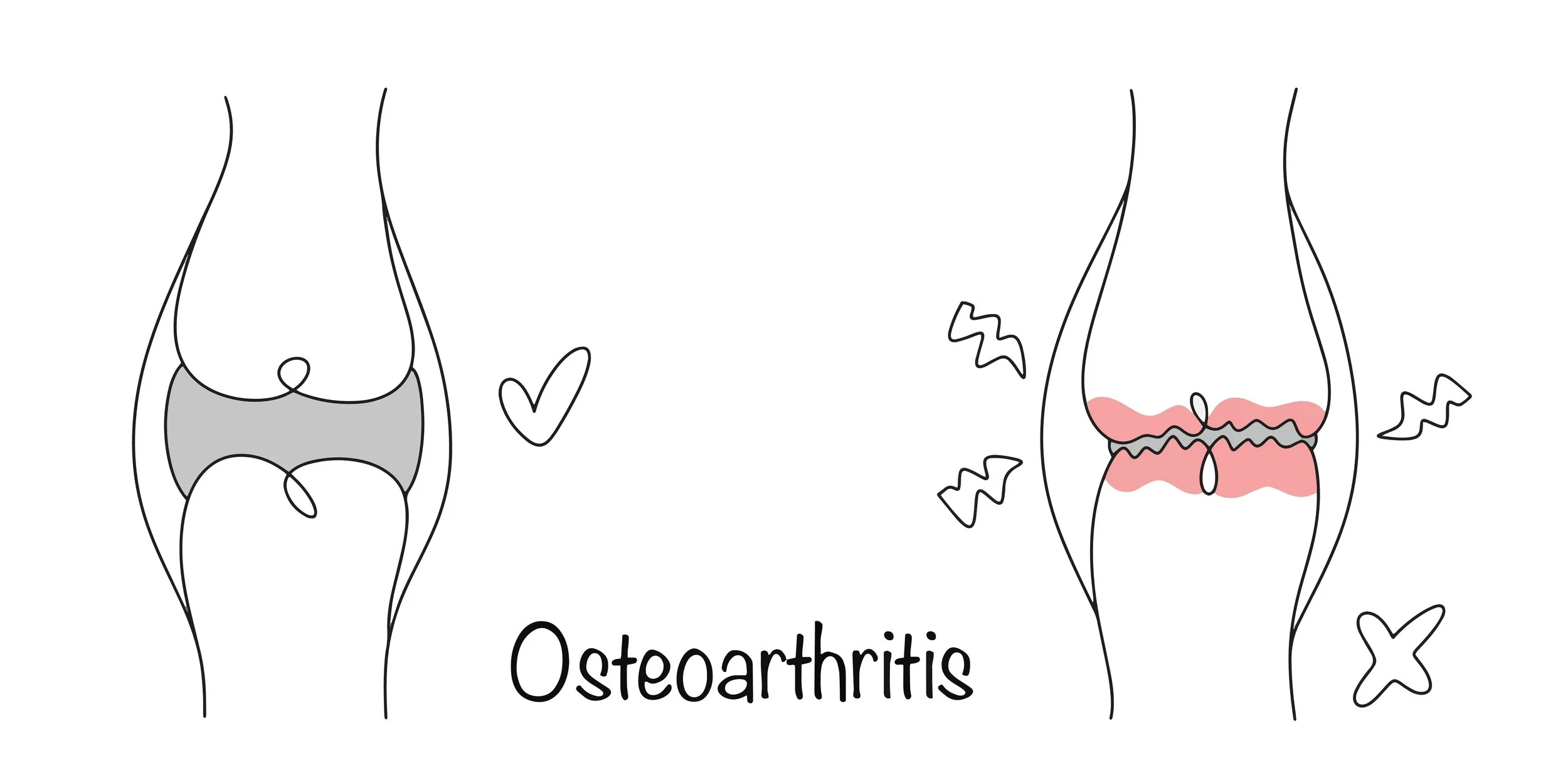
Joint pain is not always arthritis.
Knee Osteoarthritis
Gradual onset
Stiffness with inactivity
Diffuse aching
Often bilateral over time
Meniscus Injury
Mechanical catching or locking
Sharp joint line pain
Often triggered by twisting
Differentiation is essential for appropriate treatment planning.
Related Knee Conditions
Knee osteoarthritis can coexist with or mimic other conditions, including:
Accurate evaluation ensures the primary pain generator is addressed.
Regenerative Therapy & Advanced Modalities
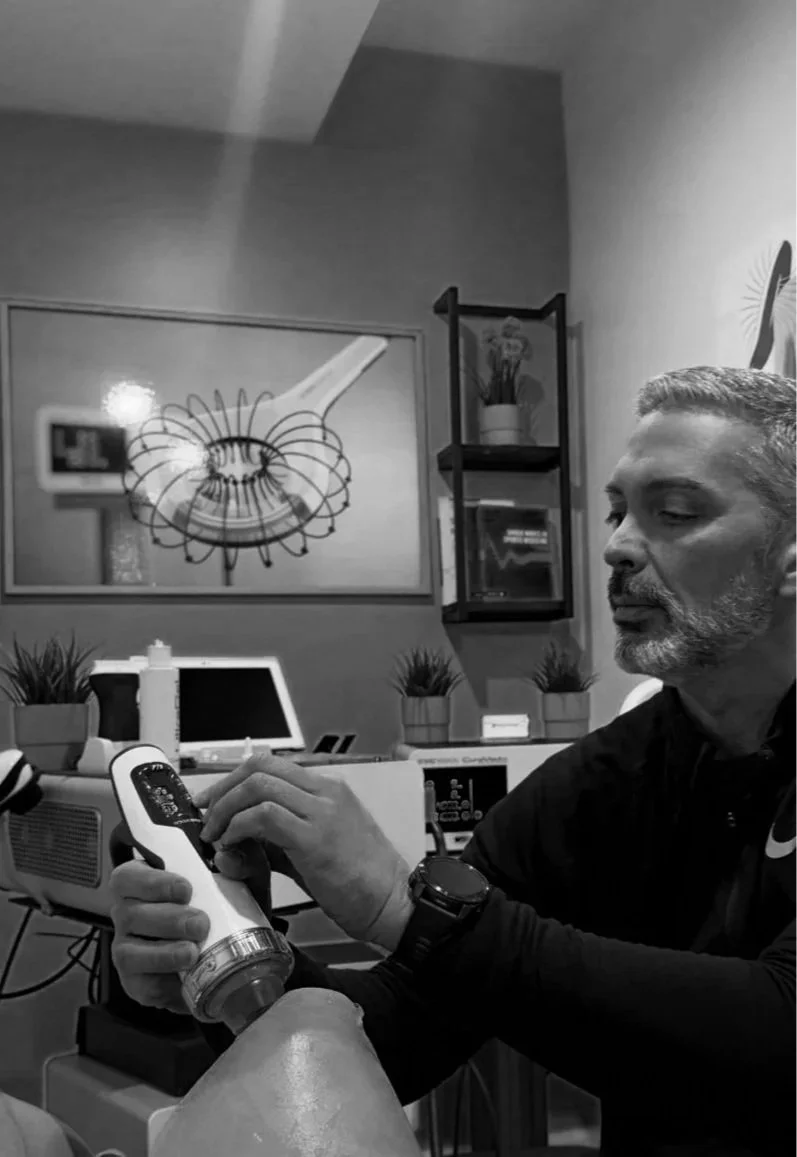
Shockwave Therapy (Focused & Radial Pressure Wave)
Shockwave therapy has been shown to significantly improve pain and function in knee osteoarthritis by stimulating tissue response and reducing pain sensitivity.
It helps:
improve circulation
stimulate cellular activity
reduce pain
EMTT (Extracorporeal Magnetotransduction Therapy)
EMTT delivers high-frequency electromagnetic energy to:
support cellular repair
improve joint environment
enhance healing response
Often combined with shockwave for a stronger regenerative effect.
Laser Therapy (Photobiomodulation)
Laser therapy supports:
inflammation reduction
cellular energy production
tissue recovery
Used to complement other treatments and improve outcomes.
Osteoarthritis does not mean your knee cannot improve — even without “fixing” cartilage.
Even without regenerating cartilage, improving:
strength
mechanics
load tolerance
can significantly reduce pain and improve function.
This is where most people see meaningful change.

Long-term improvement requires improving how the knee handles load. Treatment focuses on: joint mobility and control strength development movement quality joint capacity Using Functional Range Conditioning (FRC®) principles, care improves joint function and reduces stress on damaged structures.
How Long Does Knee Osteoarthritis Treatment Take?
Many patients notice improvements in pain and mobility within a few weeks, with continued progress over 6–12 weeks depending on consistency and severity.
Long-term success depends on maintaining strength and activity.
Functional Range Conditioning (FRC®) & Load-Based Rehabilitation
Frequently Asked Questions About Knee (OA)
-
The most effective treatment combines regenerative therapy and load-based rehabilitation.
This includes:
shockwave therapy, EMTT, and laser therapy to reduce pain and improve tissue response
strength and mobility training to improve joint function
progressive loading to increase joint capacity
The goal is not just pain relief — it’s improving how your knee functions long-term.
-
Yes.
Many people can significantly reduce pain and improve function without surgery by improving:
strength
joint mechanics
load tolerance
Even without reversing cartilage changes, symptoms can improve substantially.
-
No.
Osteoarthritis is not simply aging or wear and tear — it is a condition influenced by:
joint loading
muscle strength
movement patterns
activity levels
This is why targeted treatment can make a meaningful difference.
-
Not when done correctly.
In fact, the right type of exercise is one of the most effective treatments for knee OA. The key is:
proper progression
appropriate load
good movement mechanics
Avoiding activity completely often makes symptoms worse.
-
Yes.
Shockwave therapy has been shown to reduce pain and improve function in knee osteoarthritis by stimulating tissue response and reducing pain sensitivity.
It works best when combined with a structured rehabilitation program.
-
EMTT (Extracorporeal Magnetotransduction Therapy) uses high-frequency electromagnetic energy to support cellular activity and improve the joint environment.
It can help reduce inflammation and enhance recovery when combined with other treatments.
-
Not necessarily.
Many patients can improve without injections by focusing on:
regenerative therapies
strength and movement
progressive loading
Treatment is designed to reduce reliance on passive or temporary solutions.
When Additional Care Is Needed
In more persistent or non-responsive cases, referral for orthobiologic treatments (such as PRP) or orthopedic consultation may be appropriate — either as a next step, or as part of a pre- or post-surgical plan.
Bottom Line
The goal is to improve pain and function conservatively first — while ensuring the right next steps are taken if needed.
-
Many patients notice improvement within a few weeks, with more significant changes over 6–12 weeks depending on consistency and severity.
Progress is based on improving how the joint handles load over time.
-
Yes — and you should.
Staying active is essential for maintaining joint health, strength, and mobility. The key is modifying activity and progressing appropriately rather than avoiding movement altogether.
-
Traditional care often focuses on symptom relief.
Our approach focuses on:
✔ reducing pain with advanced therapies
✔ restoring joint function
✔ improving strength and control
✔ increasing load capacity
✔ keeping you active long-termThe goal is not just to manage osteoarthritis — it’s to improve how your knee performs.
Don’t Let Knee Pain Decide What You Can Do
Improve how your knee functions with a structured, non-surgical approach.
✔ Non-surgical approach
✔ Focused on strength and joint function
✔ Personalized treatment plan