
Radial Pressure Wave Therapy (EPAT®) in Brooklyn
At Form & Function Chiropractic in Brooklyn, radial pressure wave therapy is integrated into performance-driven rehabilitation programs designed to address chronic pain and restore tissue capacity.
Often referred to as radial shockwave therapy or EPAT®, this technology delivers mechanical stimulation to superficial soft tissue to improve circulation, reduce pain sensitivity, and enhance the body’s response to loading.
Rather than being used as a standalone modality, radial pressure wave therapy is combined with structured rehabilitation, strength development, and movement-based strategies to support long-term recovery and reduce recurrence risk.
How Radial PressureTherapy Supports Recovery
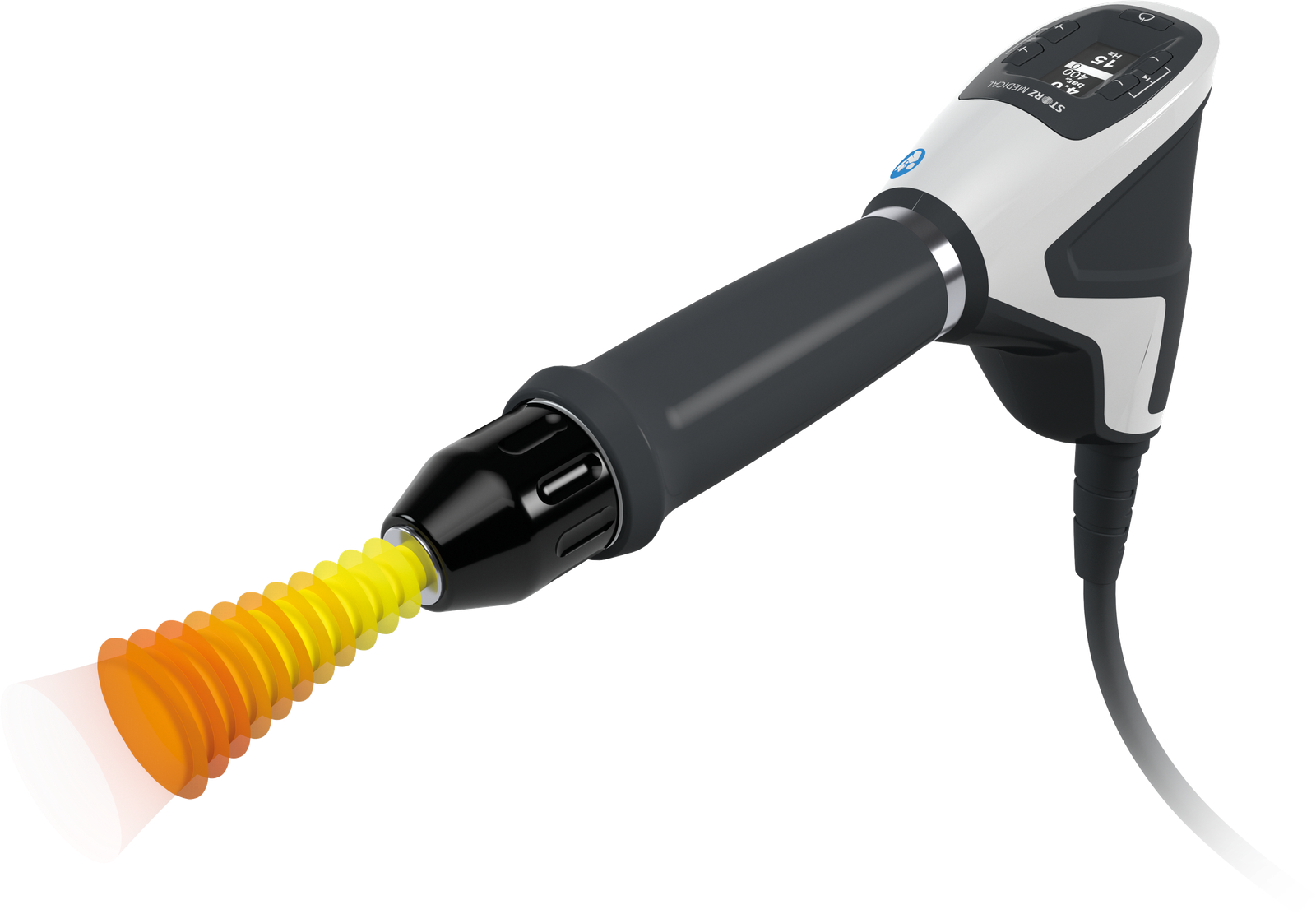
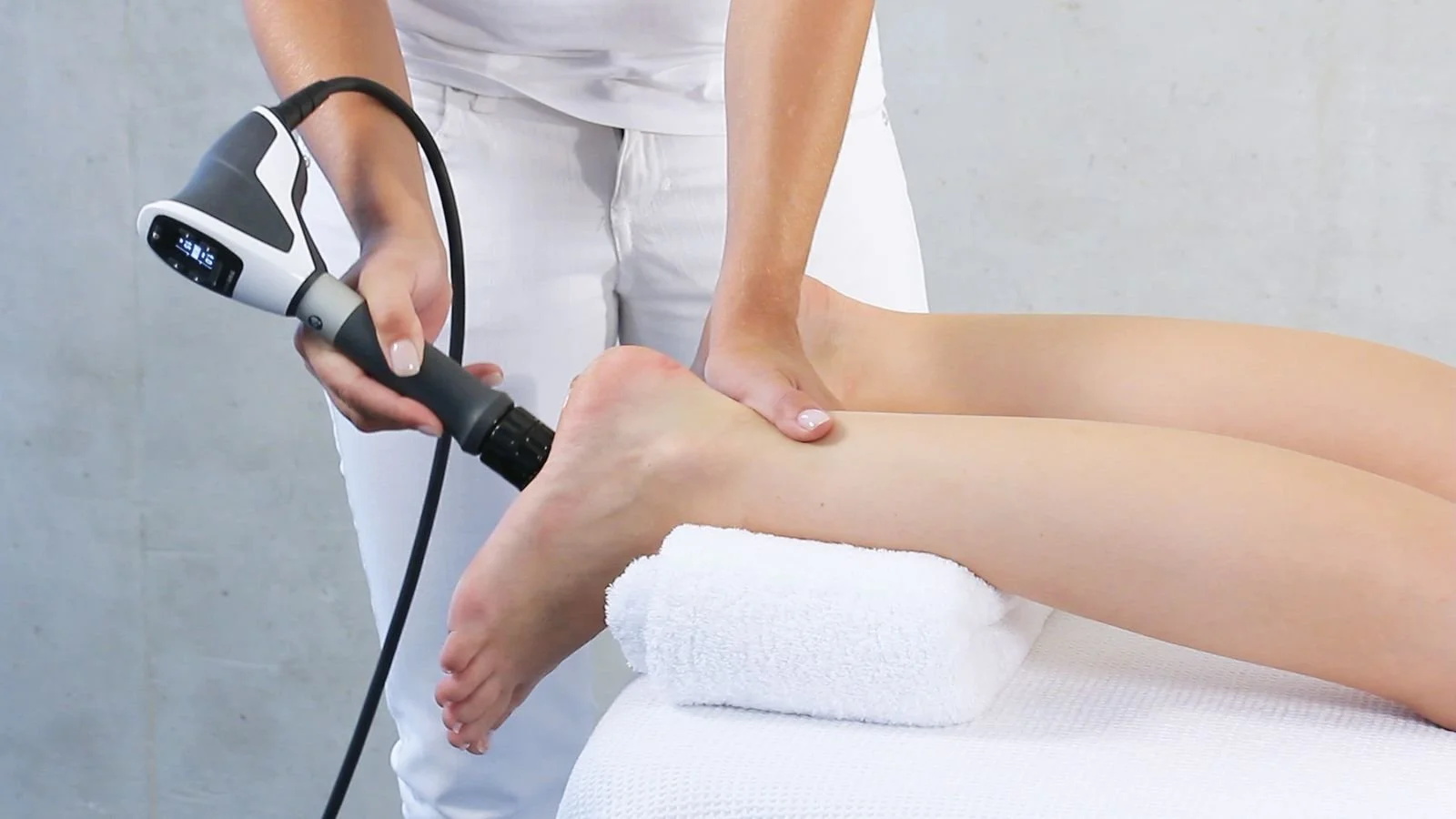
Radial pressure wave often referred to as radial shockwave therapy or EPAT® therapy delivers pressure waves that spread outward from the treatment applicator into surrounding tissue.
This mechanical stimulation may help:
Improve local blood flow
Influence inflammatory signaling
Reduce muscle and fascial tension
Stimulate tissue metabolism
Improve tolerance to movement and loading
Treatment is designed to help patients progress more comfortably into
rehabilitation and activity.
“Radial pressure wave is frequently incorporated into multimodal regenerative treatment plans to help reduce symptom sensitivity and prepare tissue for progressive loading, strengthening, and advanced therapies.”
Prepares Tissue for Rehabilitation & Advanced Regenerative Care
• Improves circulation
• Reduces pain sensitivity
• Supports progression into strengthening, loading, and return to activity
Conditions Commonly Treated With Radial Pressure
Radial pressure wave aka radial shockwave therapy or EPAT® may be recommended for:
Muscle tightness or trigger points
Early-stage overuse injuries
Sports-related soft tissue conditions
Radial Pressure Wave vs Focused Shockwave Therapy
Radial pressure wave provides broader stimulation to superficial tissue, while focused shockwave therapy delivers higher-energy waves to deeper or more chronic tendon pathology.
Both therapies may be used together as part of a structured regenerative treatment strategy depending on injury chronicity, tissue depth, and functional goals.
👉 Learn more about Focused Shockwave Therapy →
👉 Learn more about EMTT Therapy →
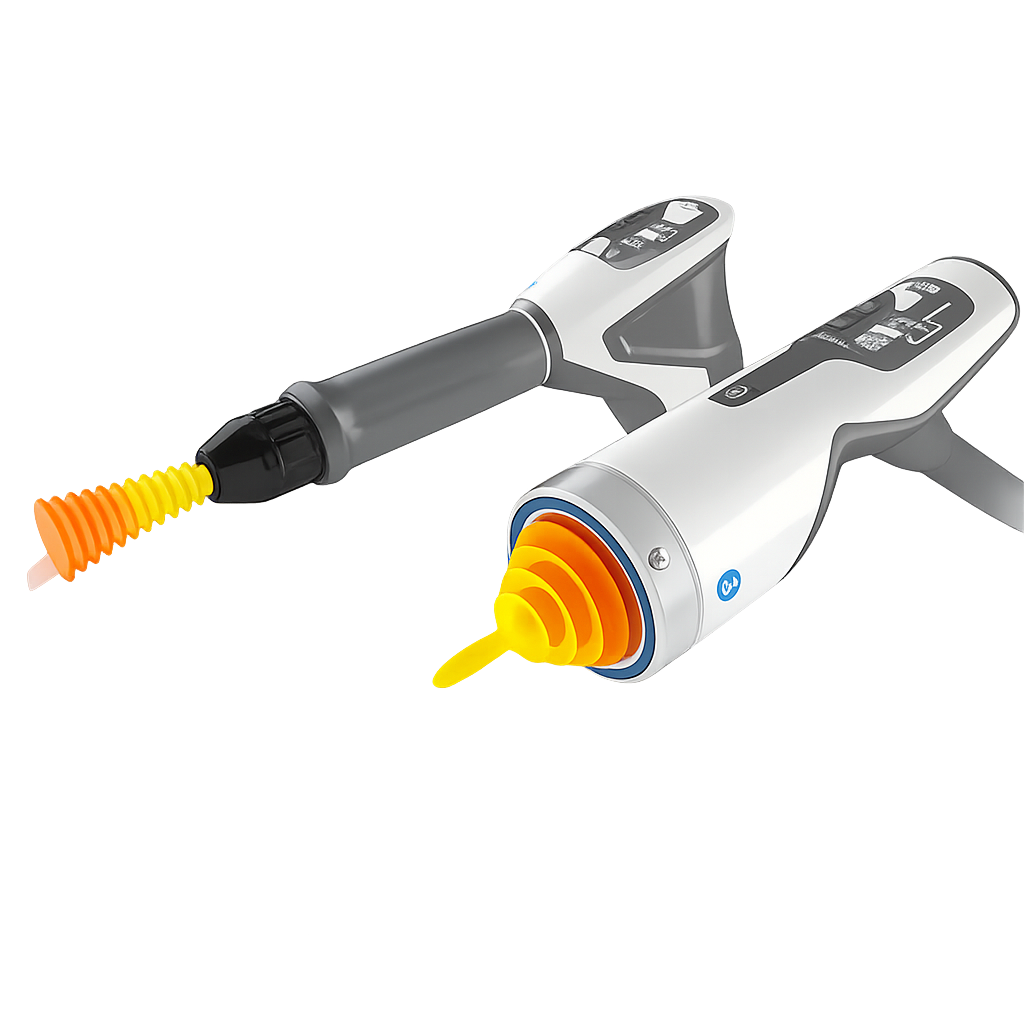
Multimodal Regenerative Treatment Approach
Radial pressure wave often referred to as radial shockwave therapy or EPAT® is often incorporated into a comprehensive treatment plan that may include:
Focused Shockwave Therapy (ESWT)
Extracorporeal Magnetotransduction Therapy (EMTT)
Laser therapy (photobiomodulation)
Progressive rehabilitation exercise
Mobility and strength training
Running or movement analysis
Combining therapies can help support tissue healing and improve long-term outcomes.
Our Advanced Regenerative Treatments for Chronic Pain and Sports Injuries
“Radial shockwave therapy is frequently used as part of a multimodal regenerative treatment plan that may also include focused shockwave therapy, EMTT, and photobiomodulation (laser therapy) depending on tissue depth and injury stage.
-
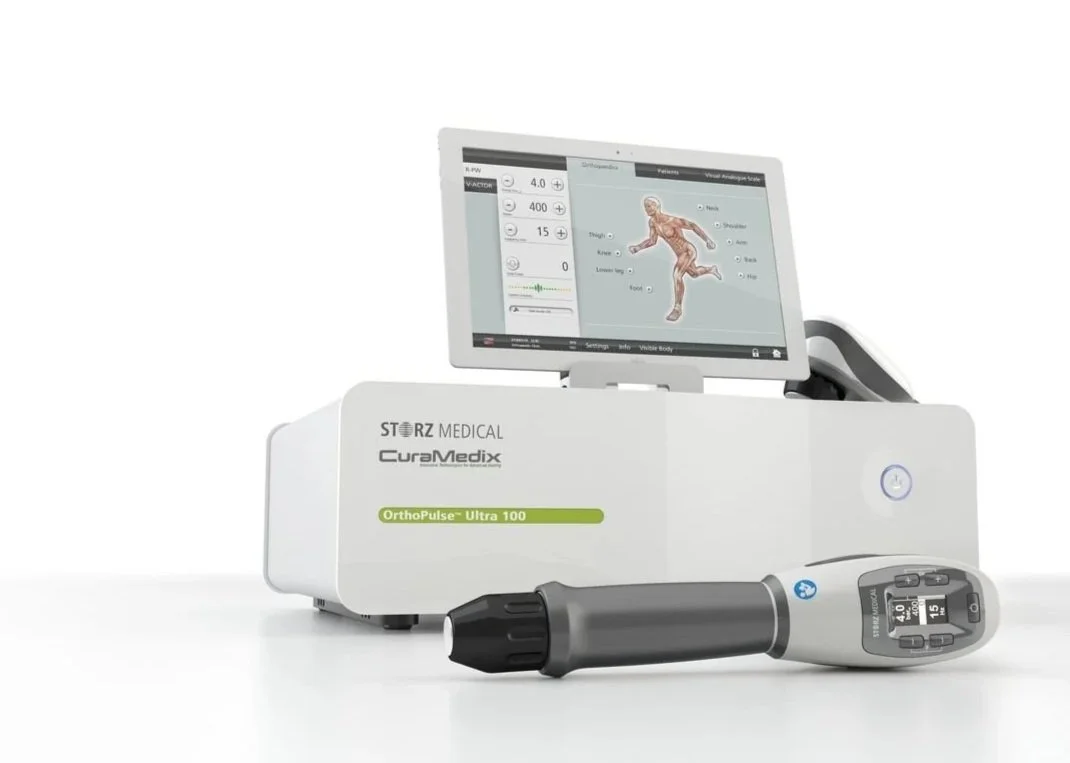
![Medical device with a screen displaying a human body diagram and an OrthoPulse Ultra 100 device in front.]()
Radial Pressure Wave (EPAT)
Provides broader mechanical stimulation to more superficial soft tissue structures. Frequently used for muscle pain patterns, early-stage overuse injuries, or as part of a progressive regenerative treatment strategy.
-
![Medical device called CureMedix by Starz Medical with a monitor displaying a running human figure and measurements, a large white machine, and a hand-held control with buttons.]()
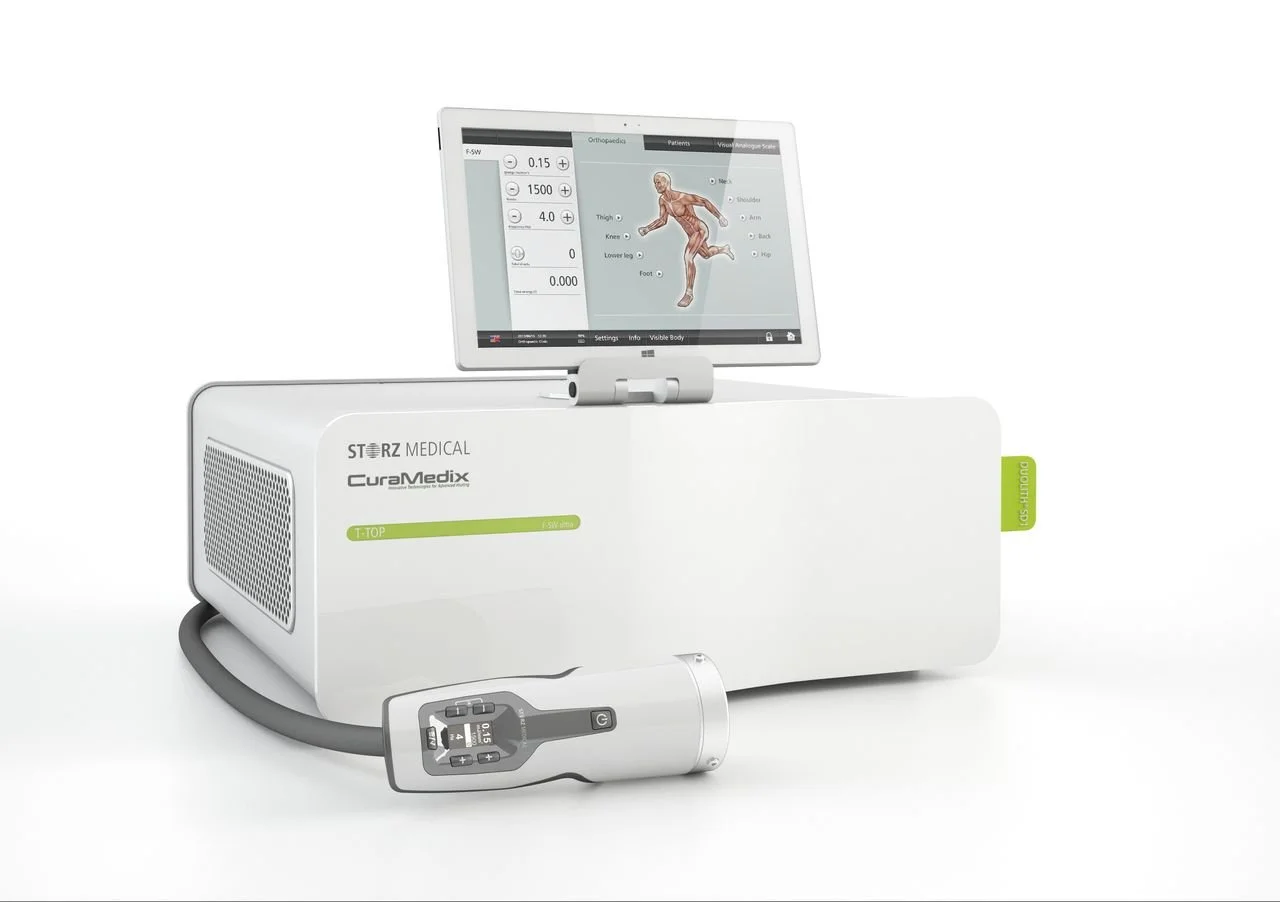
Focused Shockwave Therapy (ESWT)
Used to deliver precise high-energy acoustic stimulation to deeper or more chronic tendon and connective tissue injuries. Often recommended for long-standing plantar fasciitis, Achilles tendinopathy, patellar tendon pain, and calcific shoulder conditions.
Learn more about Focused Shockwave Therapy →
-
![Medical imaging device with a digital control panel, a circular part for imaging, and a black cable attached.]()
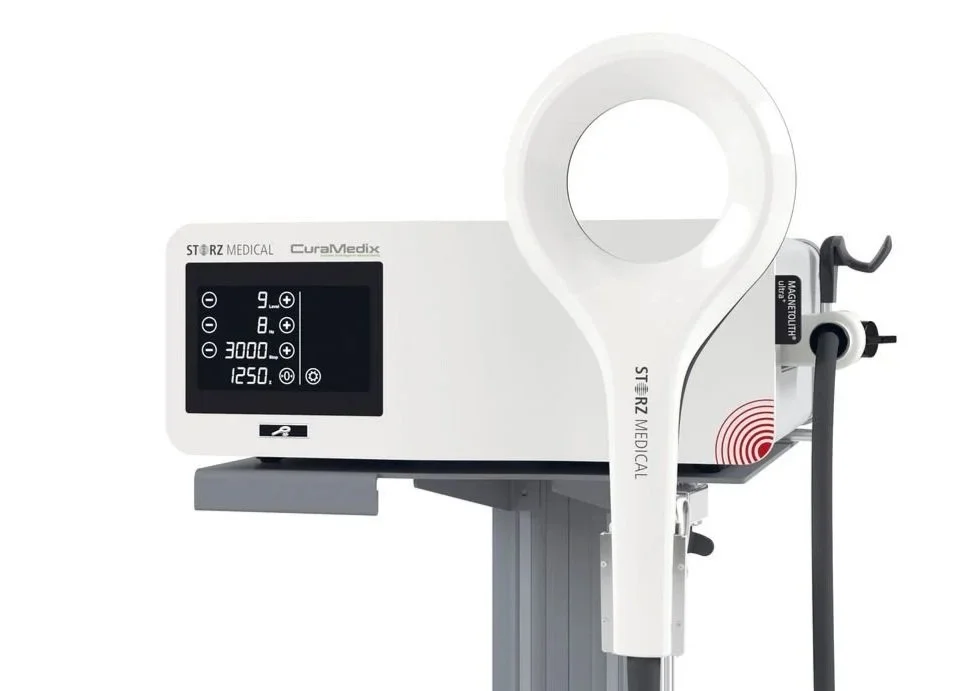
Extracorporeal Magnetotransduction Therapy (EMTT)
Uses high-frequency electromagnetic energy to support cellular metabolism, inflammation modulation, and tissue recovery. Commonly incorporated into multimodal regenerative programs or used as an entry-level treatment option.
Learn more about EMTT Therapy →
-
![BioFlex MultiPort System with a digital touchscreen interface, a row of laser treatment wands or applicators, and two laser safety devices in black and red.]()
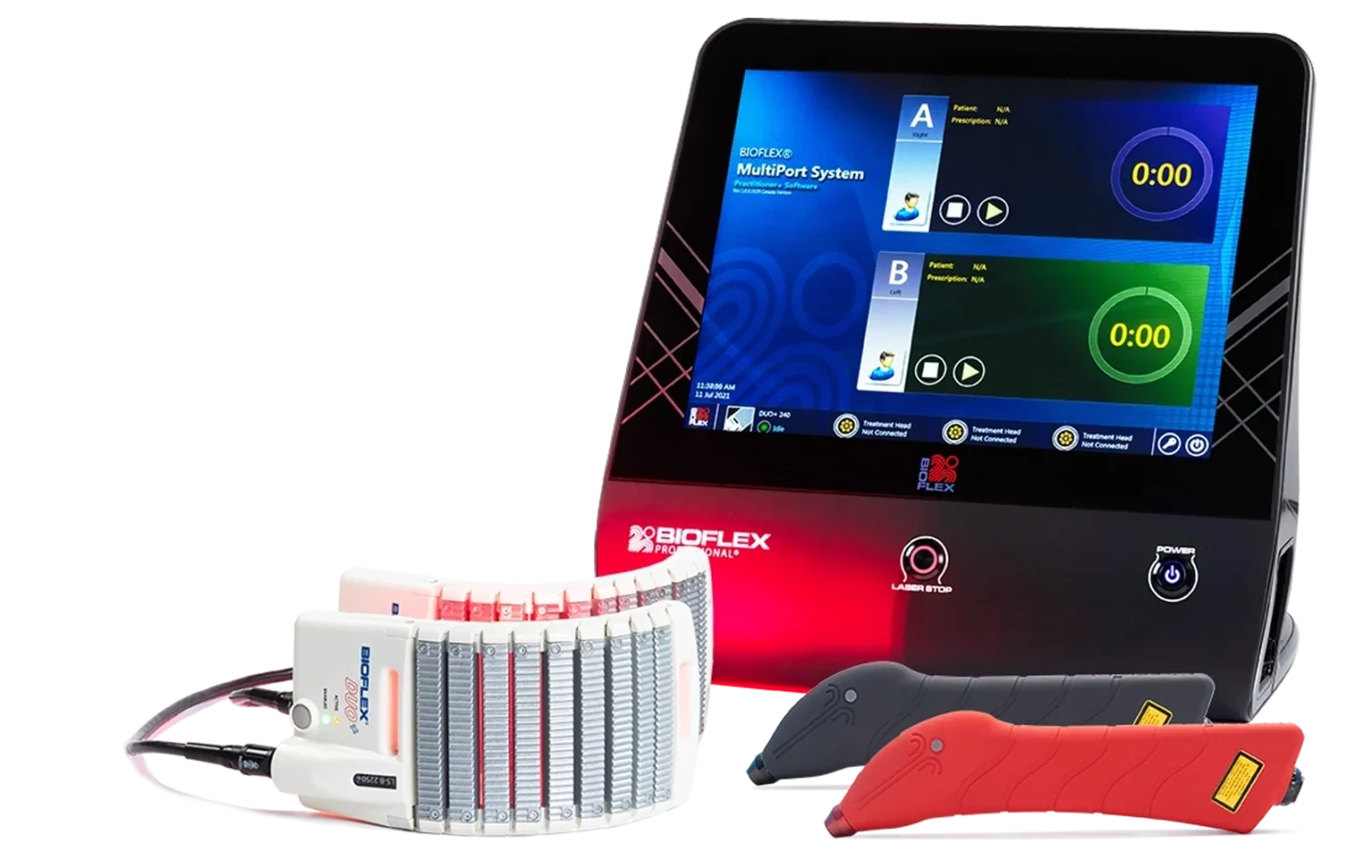
Photobiomodulation Therapy (Laser Therapy)
Laser therapy uses therapeutic light wavelengths to stimulate healing, reduce inflammation, and improve recovery. It is commonly combined with other regenerative treatments as part of a comprehensive care approach
Learn more about Laser Therapy →
Return-to-Running Strategy and Load Progression
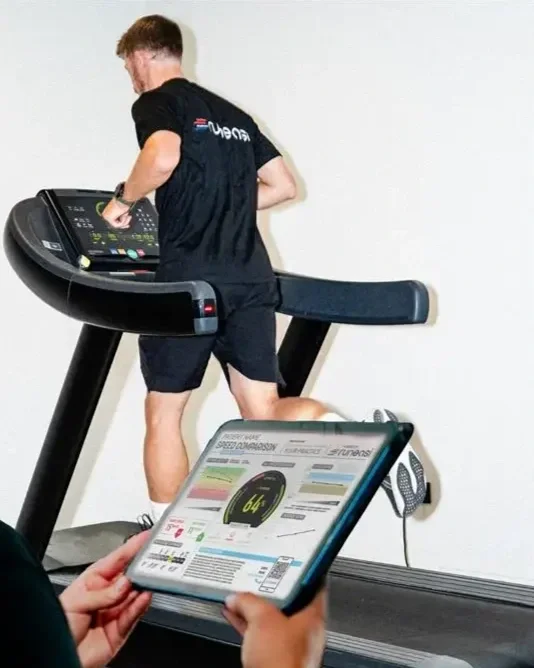
Many running injuries are influenced by stride mechanics, cadence, terrain exposure, and training progression.
When appropriate, biomechanical running gait analysis and individualized return-to-running coaching may be incorporated to help improve load tolerance and reduce reinjury risk.
👉 Explore our running gait analysis and performance coaching services
Frequently Asked Questions About Radial Shockwave
-
Radial shockwave therapy (also called EPAT) is a non-invasive regenerative treatment that delivers mechanical pressure waves into injured soft tissue. These waves help stimulate circulation, influence inflammatory signaling, improve tissue metabolism, and support recovery from overuse injuries and chronic pain conditions.
-
Radial shockwave therapy is commonly used for:
Muscle trigger points and fascial tightness
It is frequently used in early-stage or more superficial soft-tissue injuries or as part of a progressive regenerative treatment plan.
-
A common treatment approach is one session per week for approximately 6 weeks, although the plan may be adjusted depending on the injury location, severity, chronicity, and overall treatment strategy.
Radial shockwave therapy is often included within a multimodal regenerative approach, which may also involve focused shockwave therapy, EMTT, photobiomodulation (laser), rehabilitation exercises, and biomechanical correction.
-
Treatment typically ranges from $150–$300+ per session, depending on:
Number of areas treated
Combination of regenerative modalities used
Complexity of the injury
Rehabilitation and performance plan
-
Many patients can continue modified running or exercise as long as activity is not significantly increasing pain or delaying healing.
Training adjustments may include:
Reduced mileage or intensity
Surface or footwear changes
Strength and mobility work
Progressive loading strategies
For runners, treatment may be paired with a running analysis to identify biomechanical stressors and guide a safer return to full training.
-
Yes. It is common to experience temporary fluctuations in pain or symptoms during a shockwave therapy treatment program.
As injured tissue begins to respond to mechanical stimulation and progressive loading, some patients notice periods of improvement followed by short-term soreness or sensitivity. This is a normal part of the regenerative process.
Many patients feel improvement after the first session to the first few weeks, while others notice more gradual progress. After completing treatment, the body may continue remodeling and regenerating tissue for weeks to months.
Maintaining appropriate activity modification, rehabilitation exercises, and load management helps support optimal recovery.
-
Treatment may cause temporary discomfort during application, especially over sensitive or chronically irritated tissue. This sensation is usually brief and well tolerated, and intensity can be adjusted.
Many patients notice progressive symptom improvement over the treatment series.
-
Radial shockwave therapy is generally considered safe when performed by trained clinicians as part of a structured treatment plan.
It may not be recommended in certain situations such as:
Pregnancy unless the treatment area is not close to the abdomen, pelvis, or lower back—ex. plantar fasciitis
Active infection
Blood clotting disorders
Certain neurological or vascular conditions
Over open growth plates
A clinical evaluation helps determine if treatment is appropriate.
-
Some patients feel improvement after the first session or within a few weeks. Symptom fluctuations are normal during treatment, and tissue healing continues for weeks to months after the final session.
Start Moving Better with Radial Shockwave Therapy in Brooklyn
If persistent tendon pain, plantar fasciitis, Achilles symptoms, or sports injuries are limiting your training, radial shockwave therapy (EPAT) may help reduce pain sensitivity, improve circulation, and support tissue recovery.
At Form & Function Chiropractic, treatment is delivered as part of a structured multimodal regenerative program that may include progressive strengthening, movement analysis, focused shockwave, EMTT, or laser therapy based on injury severity and performance goals.
Book a clinical evaluation to begin a personalized recovery plan and return to activity with confidence.
Request a Consultation | Book an Appointment!
→ Call