
Herniated Disc Treatment in Brooklyn
What Is a Herniated Disc?
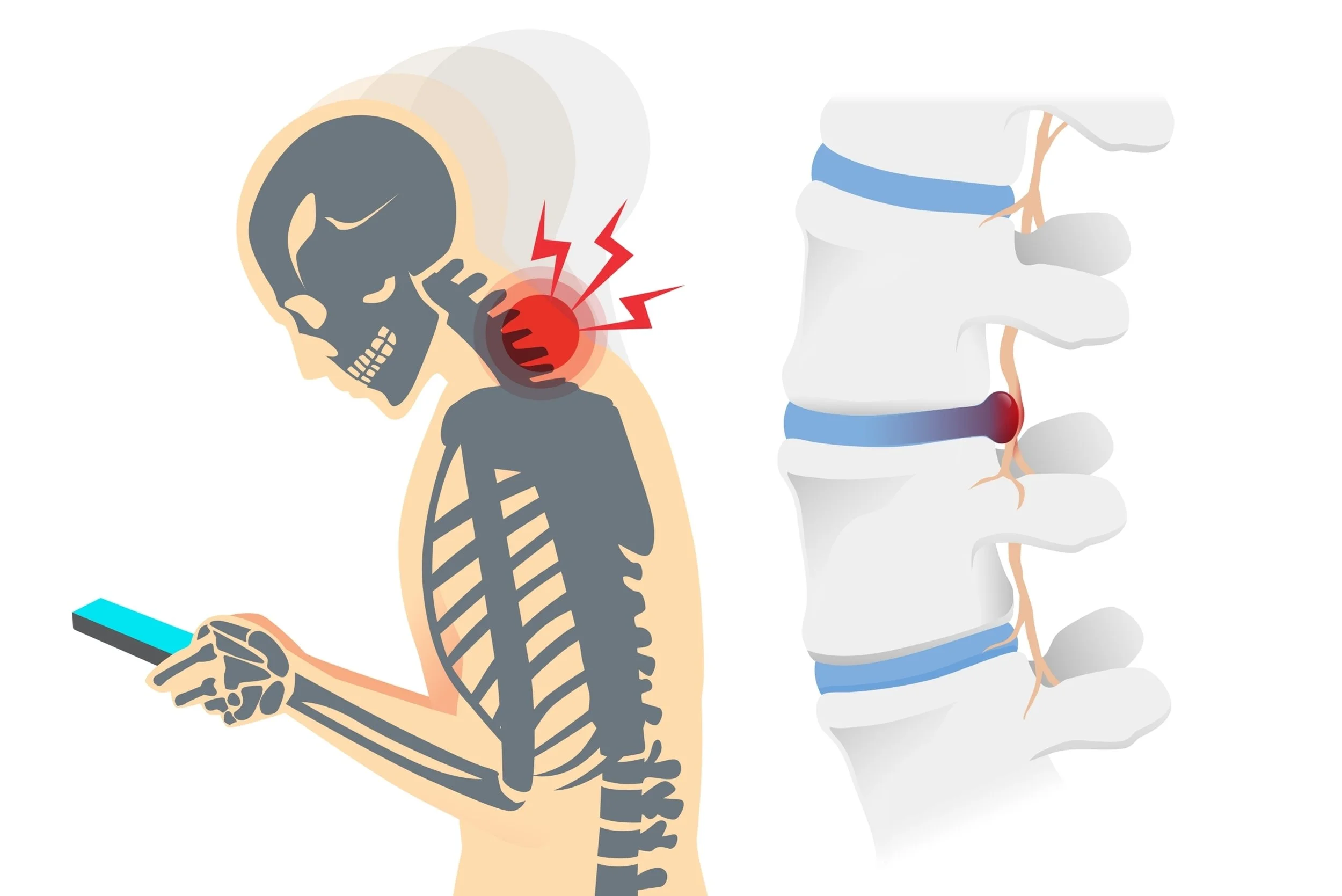
If you’re searching for herniated disc treatment in Brooklyn, you may be experiencing neck pain, lower back pain, or symptoms that radiate into the arm or leg.
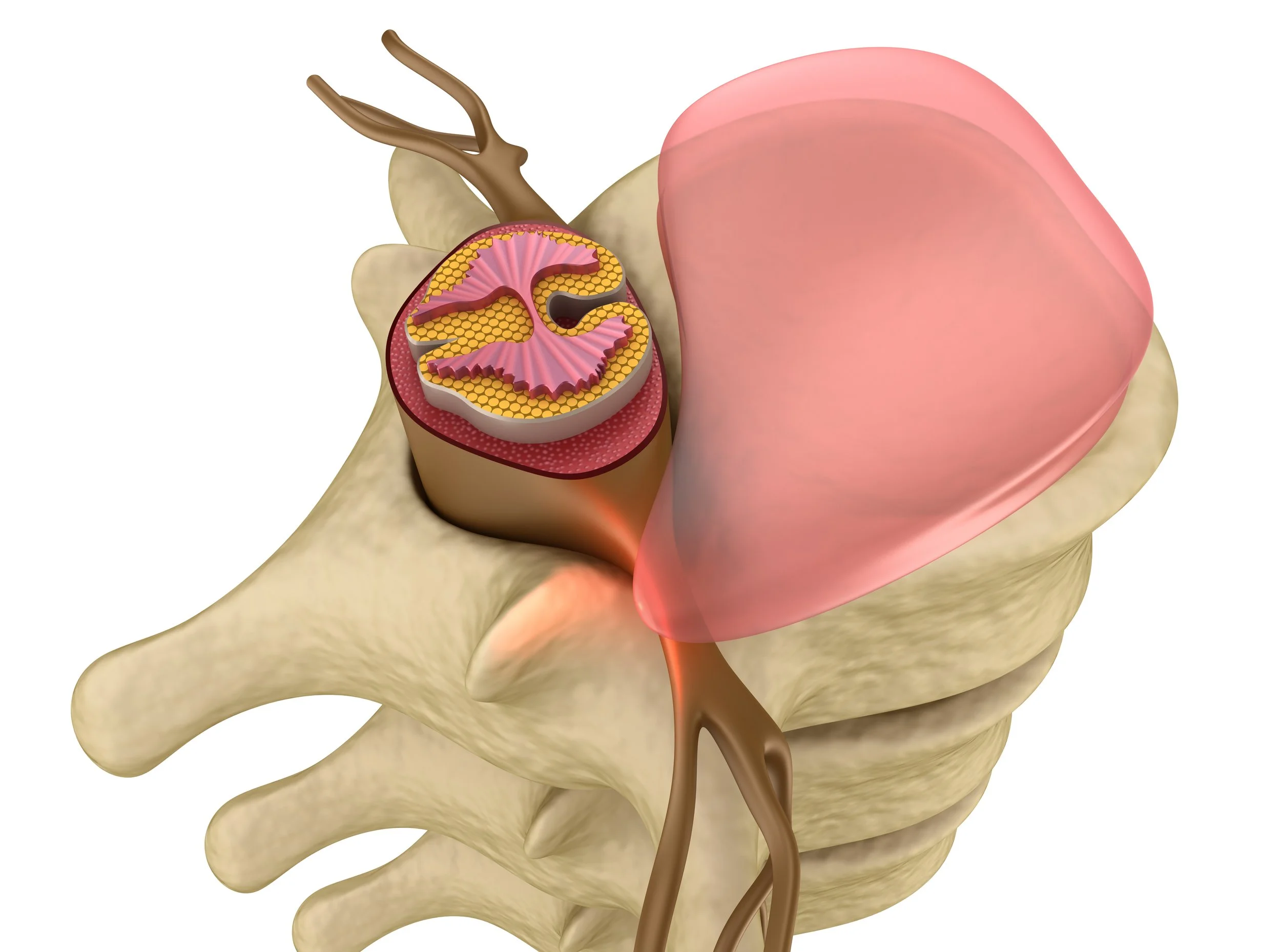
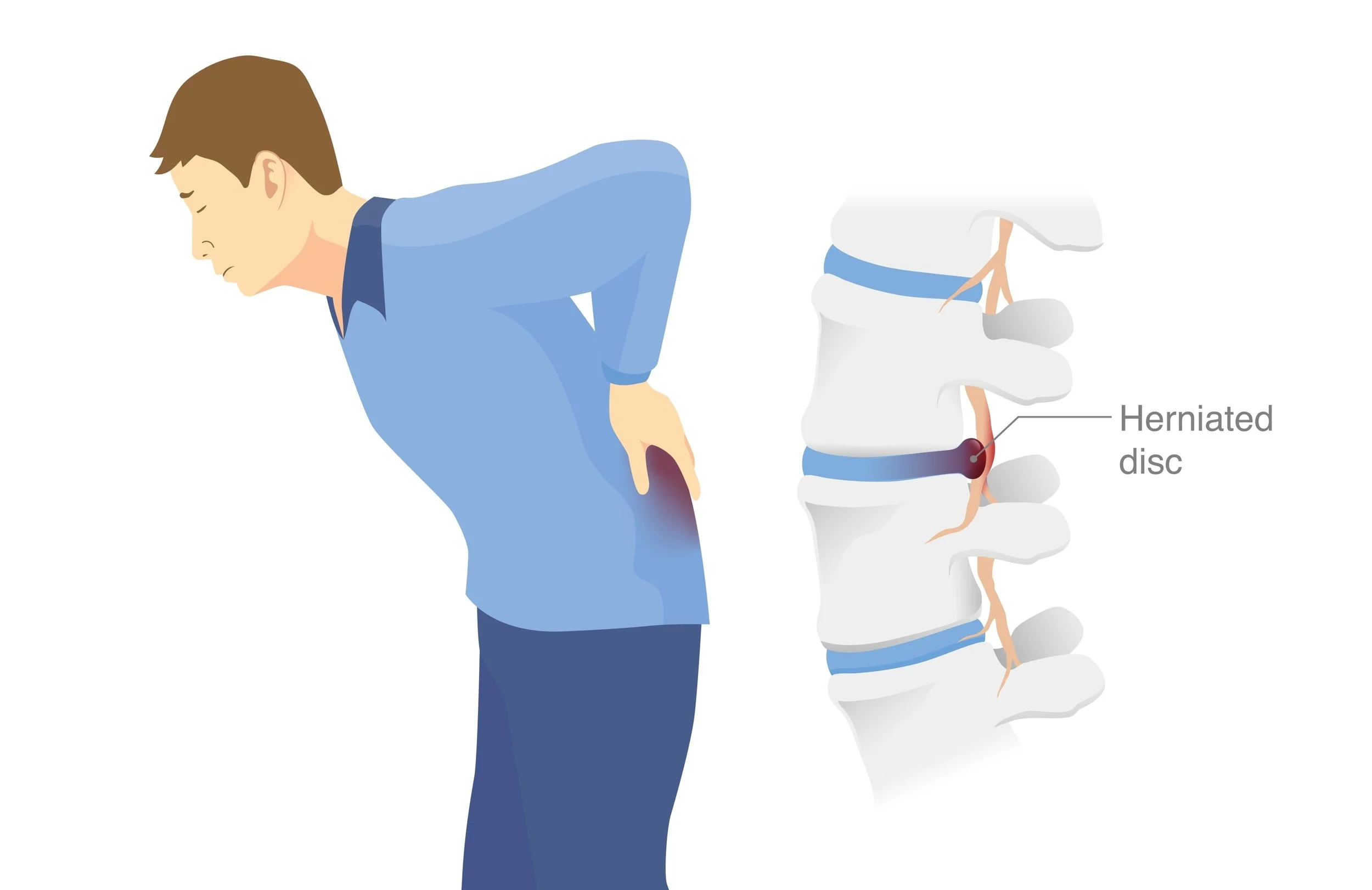
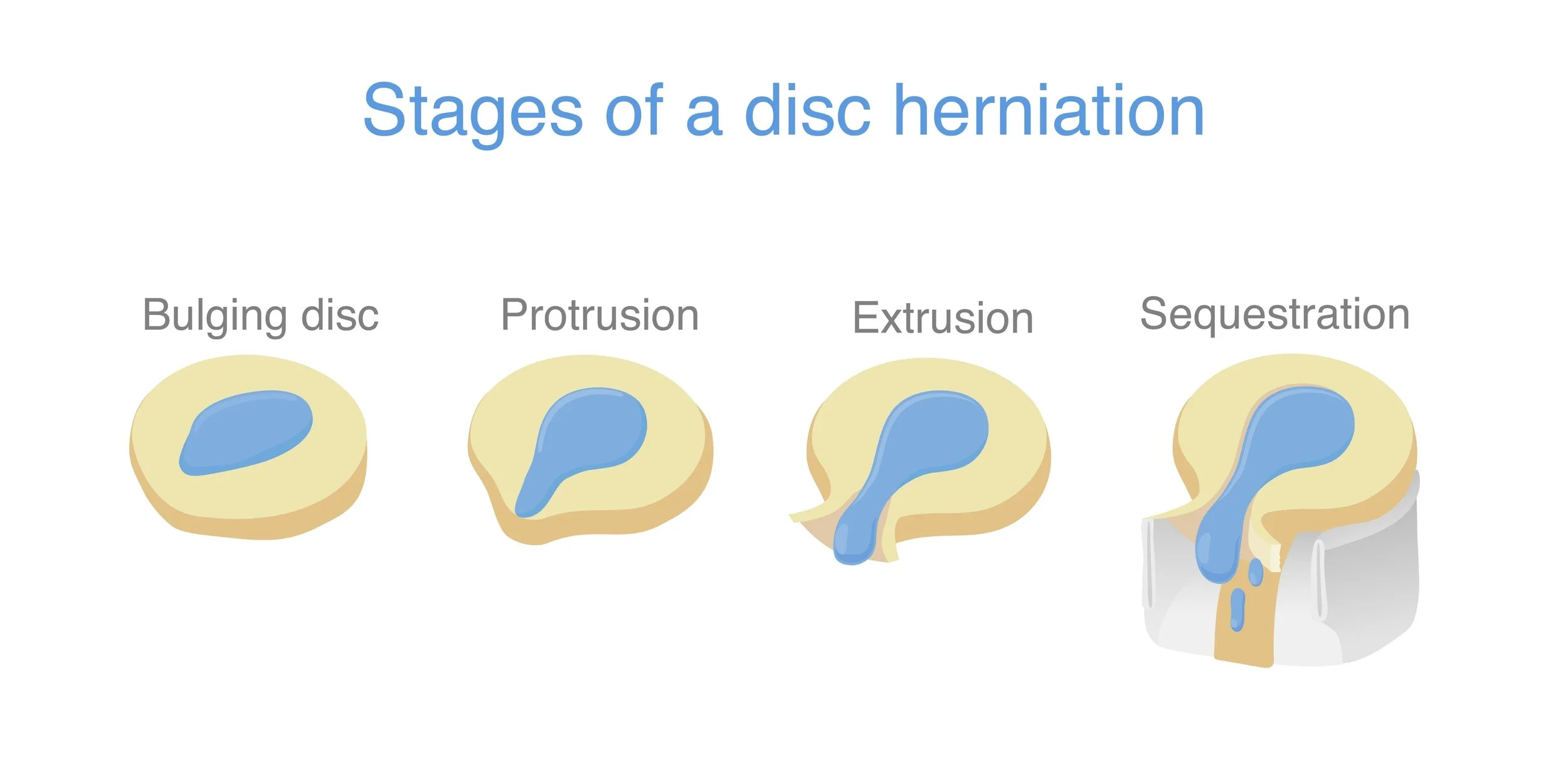
A herniated disc occurs when the soft inner portion of an intervertebral disc pushes through the outer disc layer. This may irritate nearby spinal nerves and contribute to pain, numbness, or weakness.
Disc herniations can occur in both the cervical spine (neck) and lumbar spine (lower back). When nerve compression occurs, symptoms may be referred to as cervical radiculopathy or sciatica (lumbar radiculopathy) depending on the region involved.
Common contributing factors include:
sudden lifting or twisting movements
repetitive spinal loading
degenerative disc changes
poor movement mechanics
prolonged sitting or postural stress
At Form & Function Chiropractic, we evaluate disc-related conditions carefully to determine whether symptoms are primarily disc-driven, nerve-related, or influenced by surrounding muscular dysfunction. When appropriate, care incorporates a precision multimodal regenerative approach integrating extracorporeal shockwave therapy, EMTT, photobiomodulation therapy, spinal decompression, and progressive rehabilitation.
Symptoms of a Herniated Disc
Symptoms may vary depending on the location and severity of the disc injury.
Cervical Disc Herniation Symptoms
neck pain
pain radiating into the shoulder or arm
numbness or tingling in the hand
weakness in the arm
discomfort with head movement
Lumbar Disc Herniation Symptoms
lower back pain
pain radiating into the buttock or leg
numbness or tingling in the foot
weakness in the leg
discomfort with sitting or bending
Herniated Disc vs Muscle Strain
Spinal pain may originate from either disc injury or muscular overload.
Disc Herniation
nerve-related symptoms
pain radiating into the arm or leg
numbness or tingling
weakness
Muscular Strain
localized spinal pain
stiffness without nerve symptoms
tenderness in surrounding muscles
Accurate diagnosis helps determine the primary source of symptoms.
Herniated Disc vs Degenerative Disc Changes
Not all disc-related pain involves herniation.
Herniated Disc
disc material protrusion
possible nerve compression
radiating symptoms
Degenerative Disc Changes
gradual disc height loss
stiffness or mechanical back pain
symptoms often localized
Understanding the underlying disc pathology helps guide treatment.
Precision Multimodal Regenerative Treatment in Brooklyn
At Form & Function Chiropractic, we utilize a precision multimodal regenerative strategy tailored to disc-related and nerve-related pain.
Spinal Decompression Therapy
Spinal decompression therapy may be incorporated when disc herniation contributes to nerve compression. This therapy aims to reduce pressure within the intervertebral discs and improve circulation to surrounding tissues.
Focused Extracorporeal Shockwave Therapy (ESWT)
Focused extracorporeal shockwave therapy may be used to address surrounding muscular and connective tissue dysfunction that contributes to spinal loading and nerve irritation.
Radial Shockwave (EPAT®)
Radial shockwave may be applied to larger paraspinal muscle groups to improve tissue responsiveness.
EMTT (Extracorporeal Magnetotransduction Therapy)
EMTT is integrated into regenerative protocols to support cellular activity and complement mechanical stimulation strategies.
Photobiomodulation Therapy (Meditech Bioflex Laser)
Laser therapy may be incorporated to help support tissue recovery and reduce inflammatory responses.
Progressive Rehabilitation
Treatment includes progressive rehabilitation focusing on:
spinal mobility
core stability
postural control
load management
return-to-activity progression
This integrated approach addresses both the biological and biomechanical contributors to disc-related pain.
When Imaging Is Necessary
Disc herniations are sometimes suspected based on clinical examination.
Imaging may be recommended when:
neurological symptoms are progressive
significant weakness is present
traumatic injury has occurred
symptoms persist despite treatment
When clinically indicated, referral for MRI may be coordinated to evaluate disc integrity and nerve compression.
Why Disc Herniations Develop
Several factors may contribute:
repetitive spinal loading
sudden increases in activity
poor lifting mechanics
prolonged sitting
spinal instability
age-related disc degeneration
Addressing these contributors helps reduce recurrence.
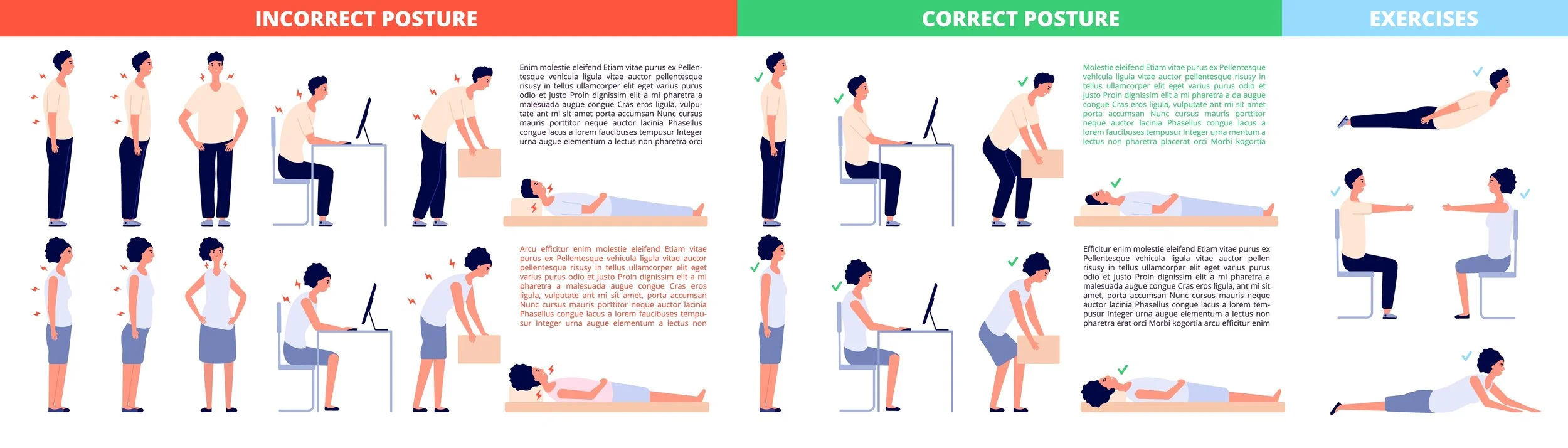
You should seek evaluation if you experience:
pain radiating into the arm or leg
numbness or tingling
weakness
persistent spinal pain
symptoms interfering with daily activity
Early evaluation helps guide appropriate treatment decisions.
Related Conditions
Disc herniation may occur alongside:
Frequently Asked Questions
Can a herniated disc heal without surgery?
Many herniated discs can improve with appropriate conservative care, depending on the severity of the disc injury and the degree of nerve involvement. Early evaluation helps determine the most appropriate treatment approach.
Can shockwave therapy and EMTT help disc-related pain?
In selected cases, extracorporeal shockwave therapy and EMTT may be incorporated as part of a precision multimodal treatment strategy.
Radial shockwave therapy may be used to address surrounding paraspinal and muscular structures that contribute to spinal loading.
Focused shockwave may be applied to targeted spinal regions such as facet joints or areas of localized connective tissue dysfunction when clinically indicated.
Extracorporeal Magnetotransduction Therapy (EMTT) is integrated to support cellular metabolism and biological repair processes within connective tissues. When combined with structured rehabilitation and load management, these therapies help improve tissue function and pain tolerance.
Is spinal decompression therapy effective for herniated discs?
Spinal decompression therapy may be beneficial when disc pressure contributes to nerve irritation or mechanical back pain. This therapy aims to reduce intradiscal pressure and improve circulation to surrounding tissues.
When appropriate, spinal decompression is combined with shockwave therapy, EMTT, photobiomodulation therapy, and progressive rehabilitation as part of a comprehensive treatment strategy.
How long does a herniated disc take to recover?
Recovery time varies depending on the severity of disc injury, the presence of nerve symptoms, and individual activity demands. A structured treatment and rehabilitation plan helps guide safe return to normal activity.