
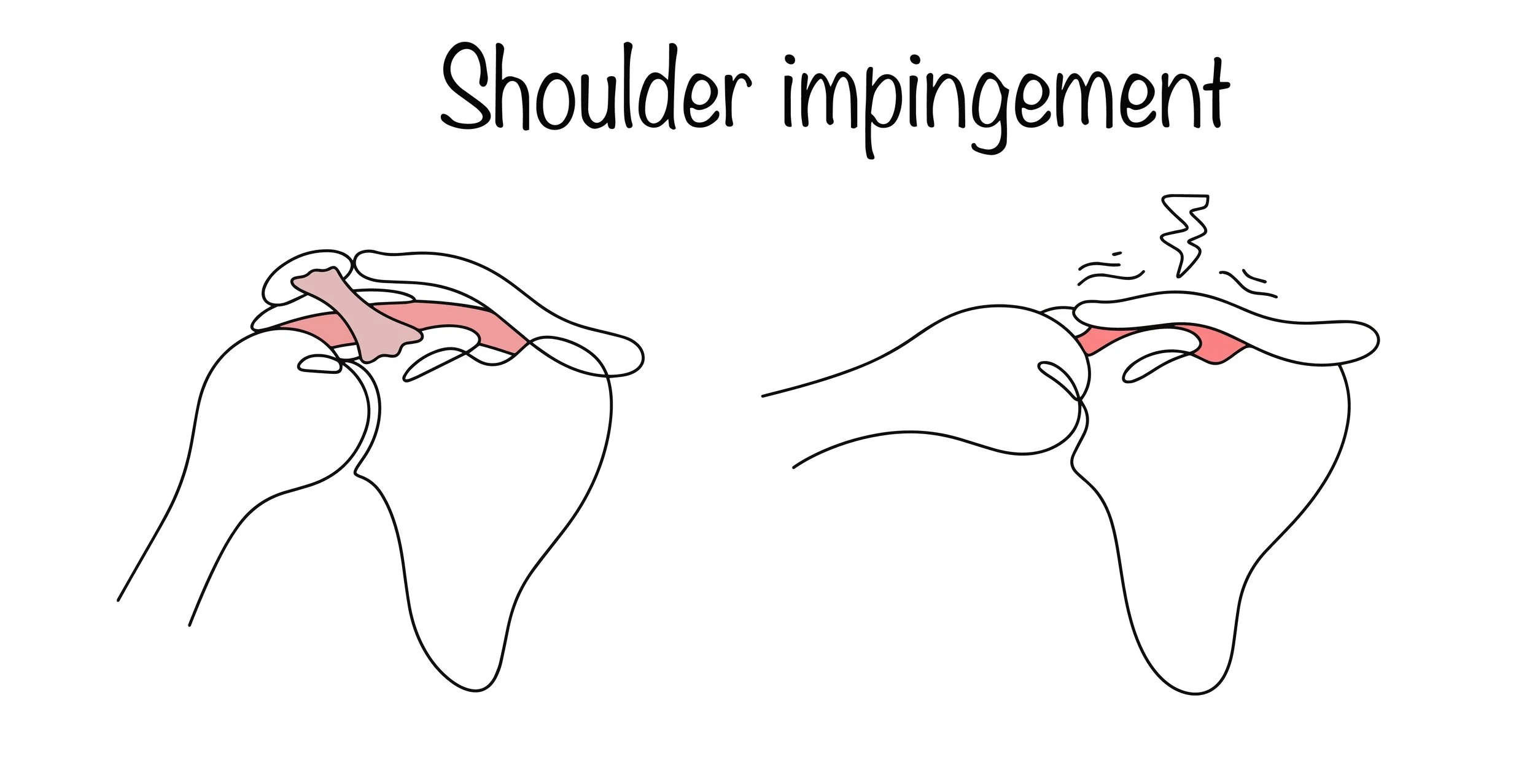
Shoulder Impingement Treatment in Brooklyn
What Is Shoulder Impingement (Shoulder Pain)?
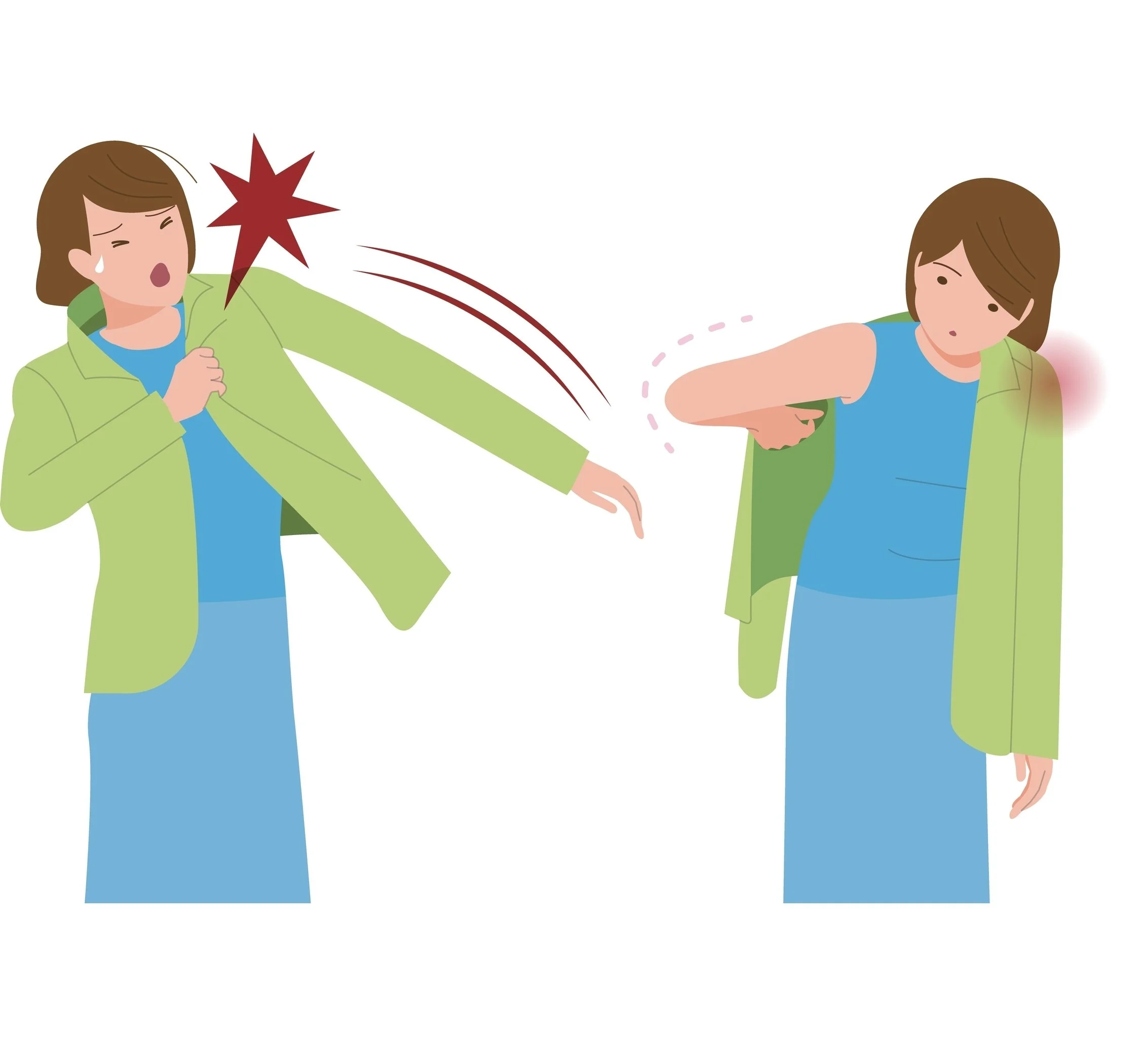
If you’re searching for shoulder impingement treatment in Brooklyn, you may be experiencing pain when lifting the arm, reaching overhead, or sleeping on the affected shoulder.
Shoulder impingement occurs when structures within the shoulder joint become compressed during overhead movement. This most commonly involves irritation of the rotator cuff tendons or the biceps tendon as they pass beneath the acromion.
Often referred to as subacromial pain syndrome, shoulder impingement is one of the most common causes of shoulder pain. It may develop due to repetitive overhead activity, rotator cuff weakness, poor scapular mechanics, tendon degeneration, or sudden increases in training load.
At Form & Function Chiropractic, we evaluate shoulder pain carefully to determine whether symptoms stem from impingement, rotator cuff tendinopathy, biceps tendon irritation, or another condition. When appropriate, we provide non-surgical treatment using a precision multimodal regenerative shockwave therapy and EMTT approach designed to restore shoulder function and reduce recurrence.
Symptoms of Shoulder Impingement
Common symptoms include:
pain when lifting the arm overhead
pain reaching behind the back
discomfort when sleeping on the shoulder
a painful arc of motion between approximately 60–120 degrees
weakness during overhead activity
aching pain along the outer shoulder
Symptoms often develop gradually and may worsen with repeated overhead activity, exercise, or daily tasks.
Shoulder Impingement vs Rotator Cuff Injury
These conditions frequently overlap but are not identical.
Shoulder Impingement
pain during overhead movement
compression of tendons beneath the acromion
painful arc of motion
Rotator Cuff Tendinopathy or Tear
weakness lifting the arm
pain with resisted shoulder movement
degenerative changes or structural tendon injury
Accurate diagnosis helps determine whether the primary issue is mechanical impingement or tendon pathology.
Shoulder Impingement vs Frozen Shoulder
Loss of shoulder motion can occur for different reasons.
Shoulder Impingement
movement is painful but still possible
weakness or tendon irritation may be present
Frozen Shoulder (Adhesive Capsulitis)
significant stiffness
loss of both active and passive motion
capsular restriction within the joint
Differentiating these conditions ensures the correct treatment strategy.
Precision Multimodal Regenerative Treatment in Brooklyn
At Form & Function Chiropractic, we utilize a precision multimodal regenerative strategy tailored to the stage and severity of shoulder impingement.
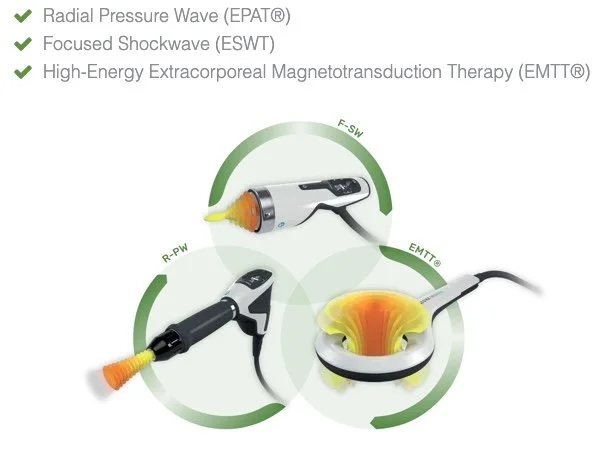
Focused ESWT delivers controlled mechanical stimulation to irritated rotator cuff or biceps tendon structures. This promotes biological signaling, supports tendon remodeling, and improves load tolerance in chronic shoulder conditions.
Radial shockwave addresses surrounding shoulder and scapular musculature, helping improve regional tissue responsiveness and reduce overload patterns.
EMTT is integrated into every regenerative protocol to enhance cellular metabolism and complement mechanical stimulation. When combined with progressive rehabilitation, it supports the biological environment necessary for recovery.
Structured Shoulder Rehabilitation
Regenerative therapies are paired with:
rotator cuff strengthening
scapular stabilization
progressive load management
gradual return-to-activity progression
This integrated approach addresses both tissue biology and biomechanical drivers of shoulder pain.
When Imaging Is Necessary
Most cases of shoulder impingement can be diagnosed clinically.
Imaging may be recommended when:
significant weakness is present
a rotator cuff tear is suspected
symptoms fail to improve with treatment
traumatic injury has occurred
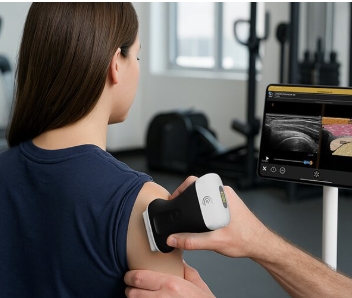
At Form & Function Chiropractic, we utilize in-house Clarius MSK diagnostic ultrasound when clinically indicated to evaluate tendon integrity and identify degenerative changes or partial tearing. Advanced imaging such as MRI is coordinated when necessary.
Why Shoulder Impingement Develops
Several factors may contribute to the development of shoulder impingement:
poor scapular control
repetitive overhead activity
postural dysfunction
sudden increases in training or workload
previous shoulder injury
Addressing these underlying contributors is essential for long-term recovery.
Who Should Seek Evaluation?
You should seek evaluation if you experience:
persistent shoulder pain lifting the arm
difficulty reaching overhead
shoulder pain at night
weakness during pressing or pulling movements
symptoms lasting longer than several weeks
Early intervention can improve recovery and reduce the likelihood of chronic tendon injury.
Related Shoulder Conditions
Shoulder impingement may occur alongside other shoulder disorders including:
frozen shoulder
labral irritation
A comprehensive evaluation ensures treatment targets the primary source of pain.