
Sciatica Treatment in Brooklyn | Pinched Nerve Lower Back
What Is Sciatica (Pinched Nerve)?
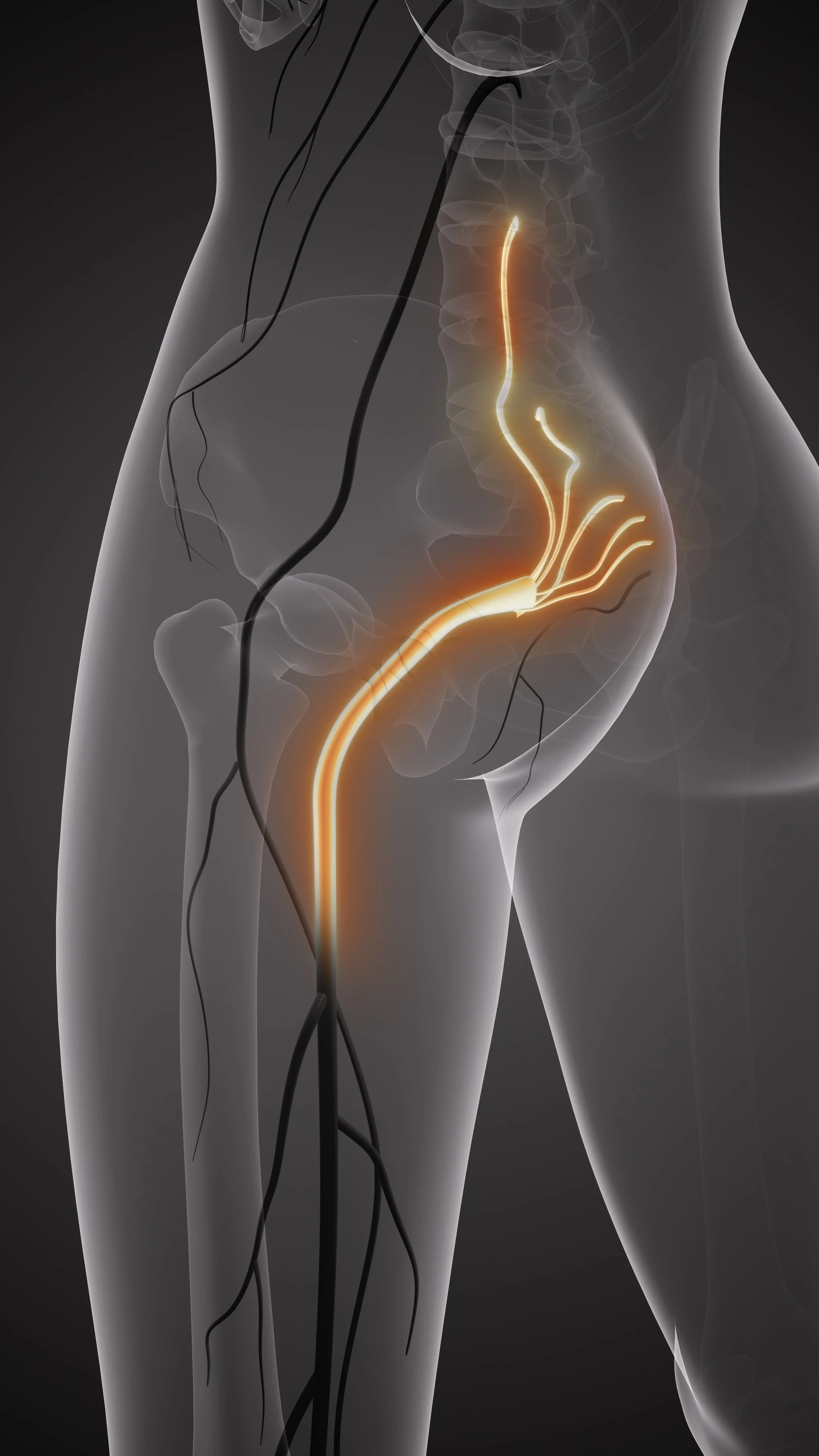
If you’re searching for sciatica treatment in Brooklyn, you may be experiencing pain that travels from the lower back into the buttock, thigh, or leg.
Sciatica refers to irritation or compression of the sciatic nerve, the largest nerve in the body. This condition is commonly caused by a pinched nerve in the lower back, medically referred to as lumbar radiculopathy.
When a spinal nerve becomes irritated or compressed, symptoms may travel along the nerve pathway and affect the lower back, gluteal region, and leg.
Common causes of sciatica include:
disc bulges or disc herniations
spinal joint irritation
degenerative changes in the spine
muscular compression of the nerve
sudden increases in physical load or activity
At Form & Function Chiropractic, we carefully evaluate the source of nerve irritation and treat sciatica using a precision multimodal regenerative approach that integrates extracorporeal shockwave therapy and EMTT with structured rehabilitation designed to restore mobility, reduce nerve irritation, and improve functional recovery.
Accurate diagnosis helps determine the specific source of sciatic nerve irritation and guides the most appropriate treatment strategy.
Symptoms of Sciatica
Sciatica symptoms often involve nerve-related sensations traveling down the leg.
Common symptoms include:
pain radiating from the lower back into the leg
burning or sharp nerve pain
numbness or tingling in the leg or foot
weakness in the leg
pain that worsens with prolonged sitting
discomfort when bending or lifting
Symptoms may vary depending on which spinal nerve root is affected.
Sciatica vs Muscle Pain
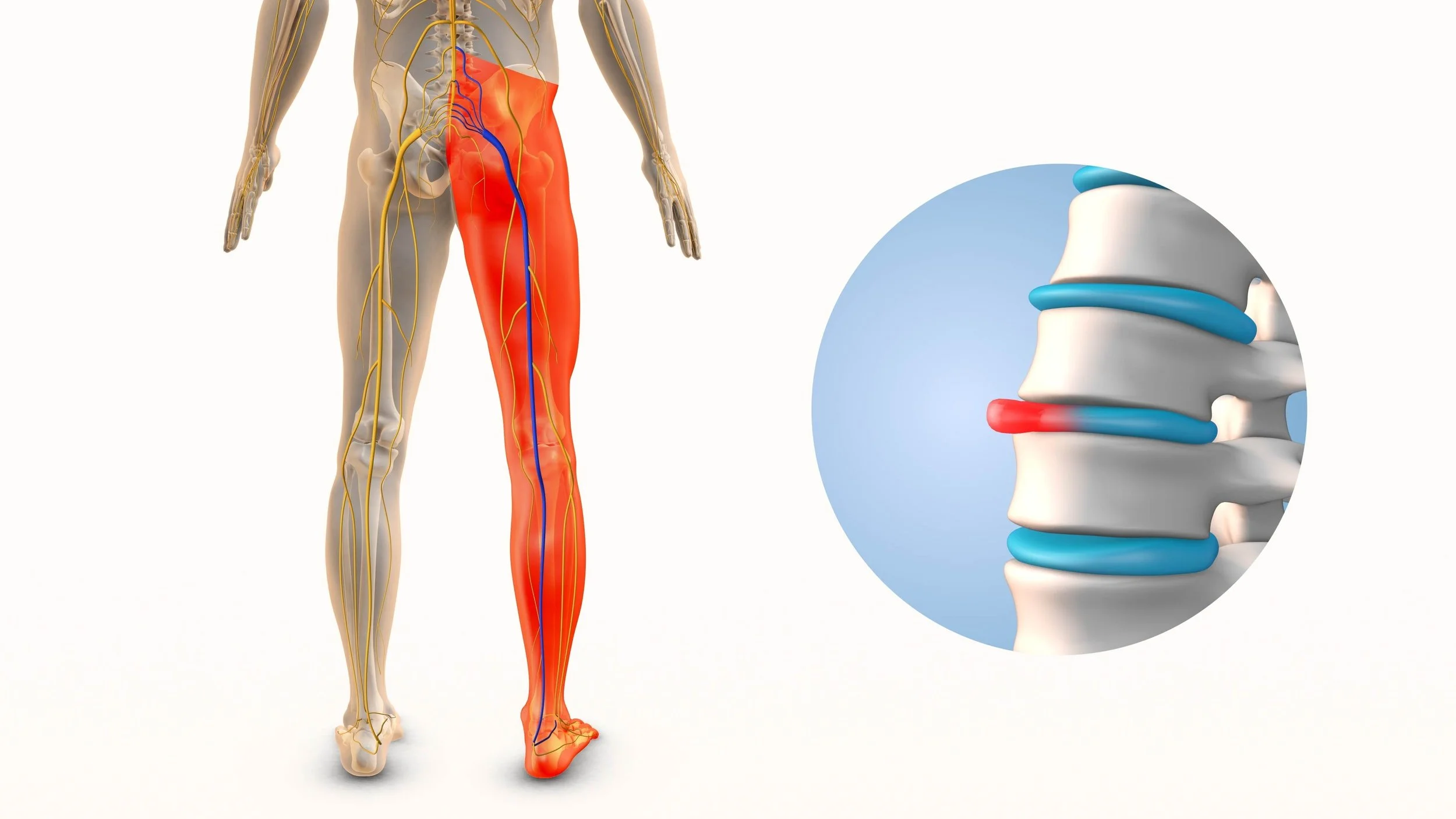
Pain in the leg is not always caused by nerve irritation.
Sciatica (Pinched Nerve / Lumbar Radiculopathy)
pain traveling down the leg
numbness or tingling
burning or electrical nerve pain
symptoms following a nerve pathway
Muscular Strain
localized pain in the lower back or glute
tenderness in specific muscle groups
pain with muscle contraction
Proper evaluation helps determine whether symptoms originate from nerve irritation or muscular injury.

Sciatica vs Piriformis Syndrome
Sciatic nerve irritation may also occur outside the spine.
Lumbar Radiculopathy (Sciatica)
nerve compression near the spine
lower back pain often present
symptoms following spinal nerve distribution
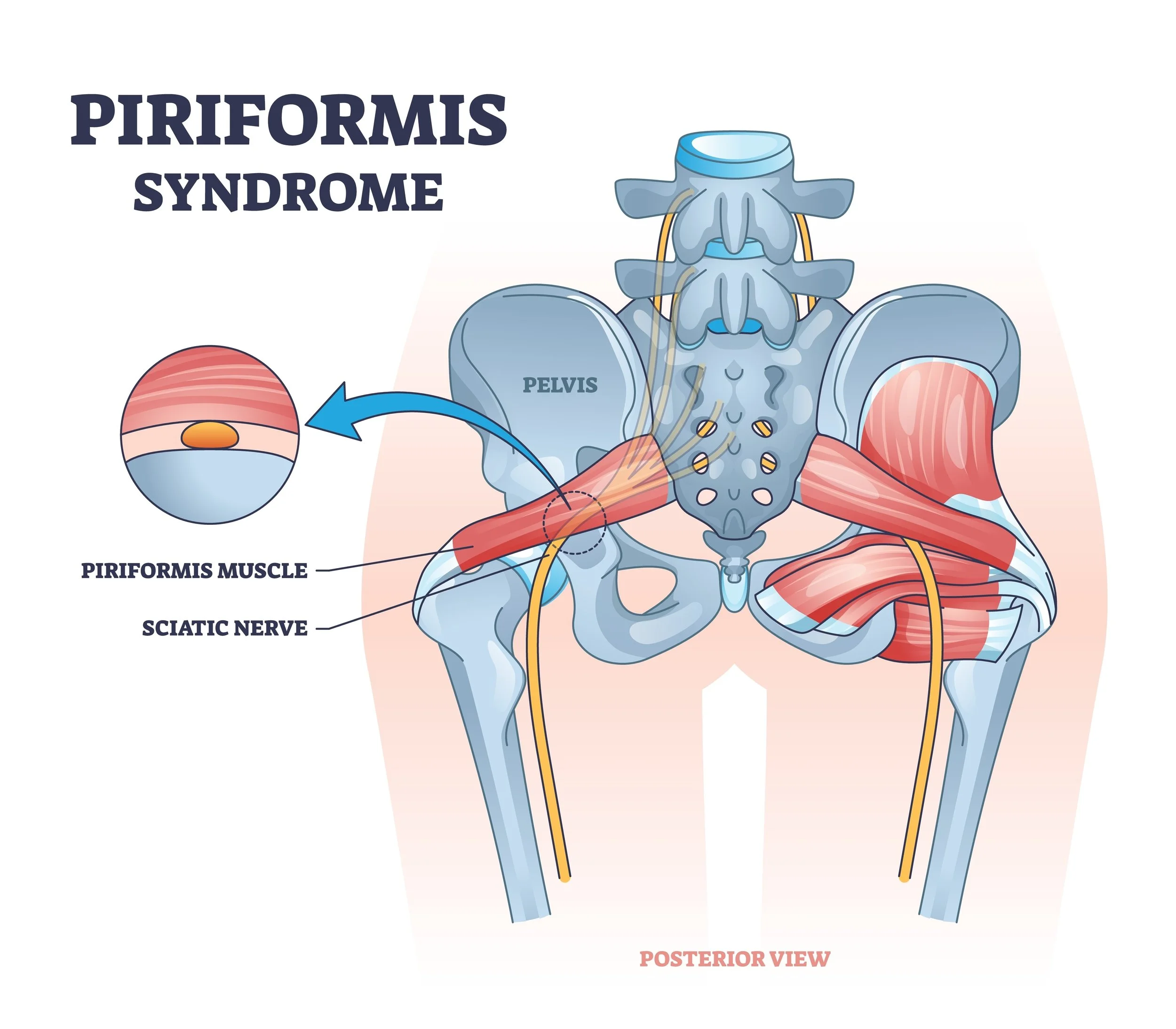
Piriformis Syndrome
nerve irritation within the gluteal region
localized buttock pain
symptoms worsened by prolonged sitting
Piriformis syndrome is sometimes mistaken for sciatica but occurs when the sciatic nerve is compressed by the piriformis muscle in the buttock rather than by a spinal nerve root.
Precision Multimodal Regenerative Treatment in Brooklyn
At Form & Function Chiropractic, we utilize a precision multimodal regenerative strategy tailored to the tissues contributing to nerve irritation.
Focused Extracorporeal Shockwave Therapy (ESWT)
Focused extracorporeal shockwave therapy may be used to address surrounding muscular and connective tissue restrictions contributing to nerve irritation. This mechanical stimulation promotes biological signaling and supports improved tissue function.
Radial Shockwave (EPAT®)
Radial shockwave may be applied to surrounding muscular structures including the gluteal region and lower back to improve regional tissue responsiveness.
EMTT (Extracorporeal Magnetotransduction Therapy)
EMTT is integrated into every regenerative protocol to enhance cellular metabolism and complement mechanical stimulation. When combined with structured rehabilitation strategies, it supports the biological environment necessary for recovery.
Photobiomodulation Therapy (Meditech Bioflex Laser)
Photobiomodulation therapy using the Meditech Bioflex Laser system may be integrated into treatment when appropriate. This technology uses specific wavelengths of light to stimulate cellular activity, improve circulation, and support tissue recovery.
Laser therapy can be particularly useful for addressing inflammation, nerve irritation, and soft-tissue injury, helping create a biological environment that supports healing.
When combined with extracorporeal shockwave therapy, EMTT, and structured rehabilitation, photobiomodulation therapy enhances the overall regenerative treatment strategy.
Spinal Decompression Therapy
Spinal decompression therapy may be incorporated when nerve compression originates from the spine, such as with disc bulges, herniated discs, or foraminal narrowing.
This therapy gently reduces pressure within the spinal discs and surrounding structures, helping improve circulation to injured tissues and reduce irritation of the spinal nerves.
When appropriate, spinal decompression is combined with extracorporeal shockwave therapy, EMTT, and progressive rehabilitation as part of a comprehensive treatment strategy.
Movement & Load Rehabilitation
Treatment is paired with structured rehabilitation focusing on:
spinal mobility
core stability
load management
progressive return to activity
This integrated approach addresses both the biological and mechanical contributors to sciatic nerve irritation.
When Imaging Is Necessary
At Form & Function Chiropractic, treatment begins with precise diagnosis of the involved tissues. When appropriate, Clarius MSK diagnostic ultrasound is used to visualize tendons, muscles, and other soft tissues in real time, helping guide treatment decisions.
Care may then incorporate a precision multimodal regenerative approach integrating extracorporeal shockwave therapy, EMTT, photobiomodulation therapy (Meditech Bioflex Laser), spinal decompression when indicated, and progressive rehabilitation.
Why Sciatica Develops
Several factors may contribute to sciatic nerve irritation:
disc injury or degeneration
prolonged sitting
poor lifting mechanics
sudden increases in training or workload
spinal instability
previous lower back injury
Addressing these underlying contributors helps reduce recurrence.
Related Conditions
Sciatic nerve pain may occur alongside:
piriformis syndrome
lower back pain
hip dysfunction
A comprehensive evaluation helps determine the primary source of symptoms.
Frequently Asked Questions
Can sciatica resolve on its own?
Some cases improve with rest and activity modification, but persistent symptoms often require structured treatment.
Can shockwave therapy help sciatica?
Shockwave therapy can help address muscular and connective tissue restrictions contributing to nerve irritation as well as regeneration of a herniated disc in certain cases.
How long does sciatica last?
Recovery time varies depending on the underlying cause and severity of nerve irritation.
When Should You Seek Treatment for Sciatica?
You should seek evaluation if you experience:
leg pain radiating from the lower back
numbness or tingling in the leg or foot
weakness in the leg
persistent pain lasting several weeks
symptoms interfering with normal activity
Early evaluation helps determine the cause of nerve irritation and guide appropriate treatment.