
TMJ Treatment in Brooklyn | Jaw Pain
What Is TMJ Disorder (Jaw Pain)?
If you’re searching for TMJ treatment in Brooklyn, you may be experiencing jaw pain, clicking when opening your mouth, headaches, or discomfort when chewing.
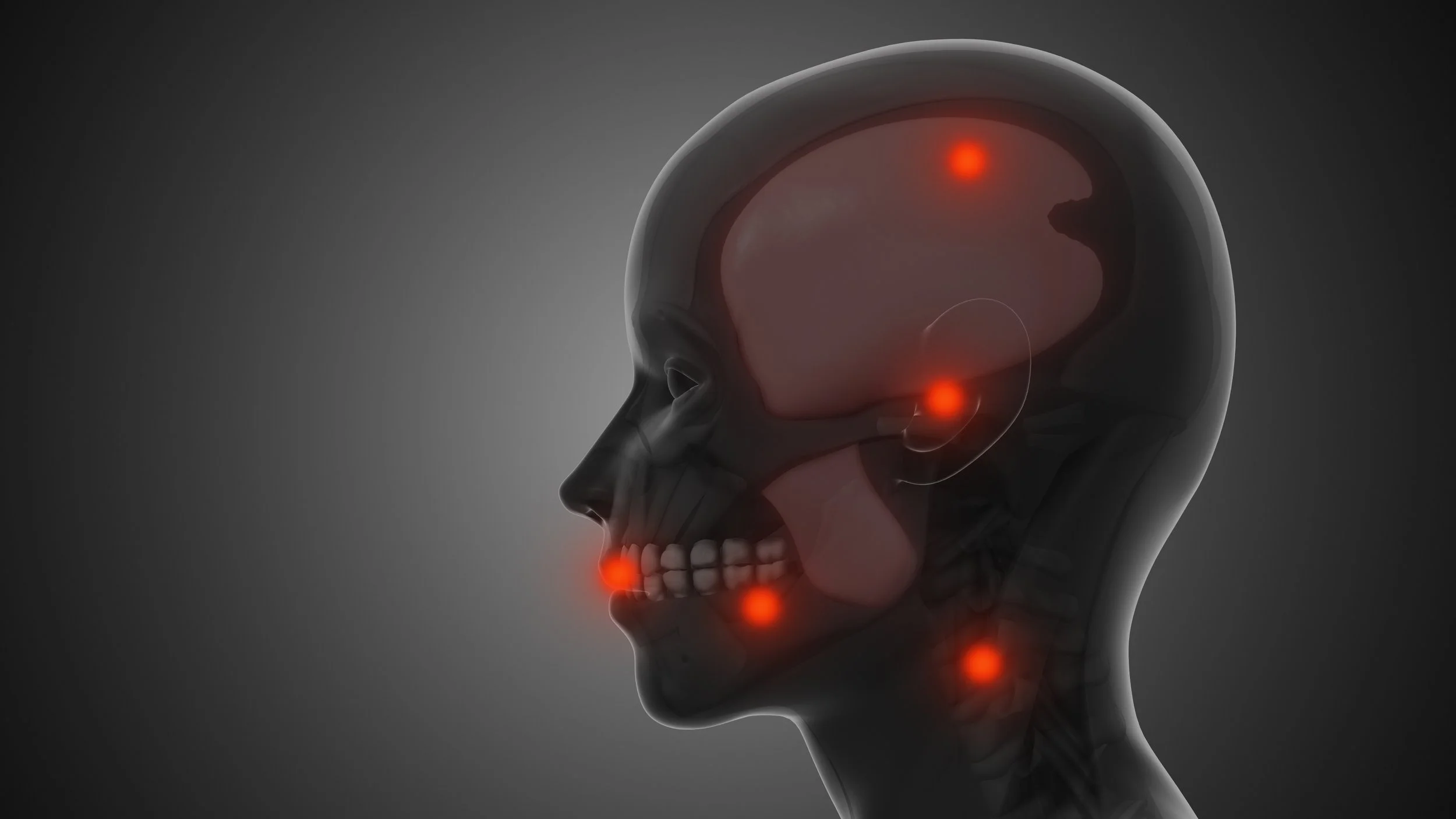
TMJ disorder refers to dysfunction of the temporomandibular joint, the joint connecting the jaw (mandible) to the skull. This joint works together with surrounding muscles and ligaments to allow speaking, chewing, and normal jaw movement.
TMJ disorders can develop from muscle tension, joint irritation, disc displacement, clenching, grinding, or trauma. Because the jaw is closely connected to the neck and upper cervical spine, TMJ symptoms often occur alongside neck pain and headaches.
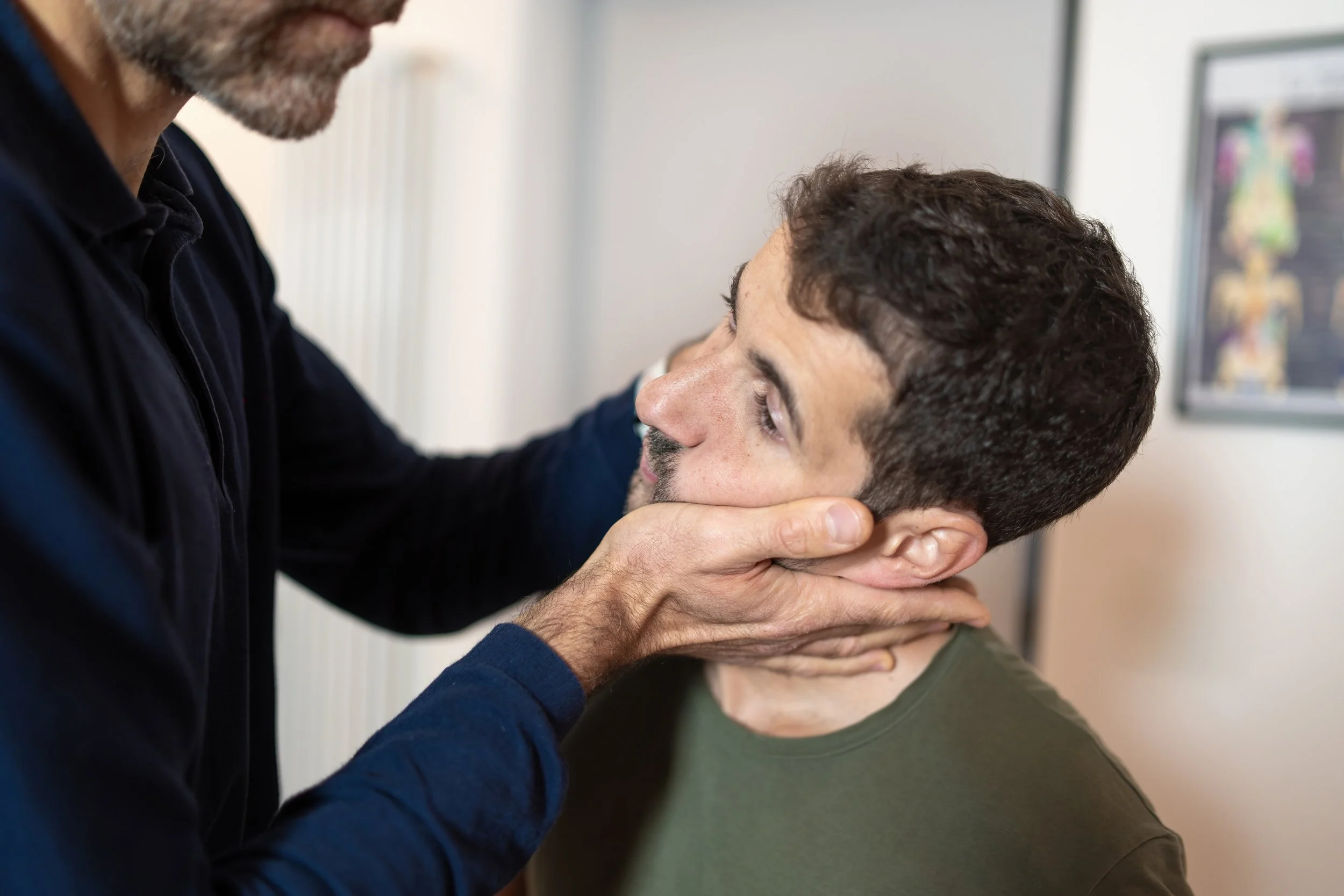
At Form & Function Chiropractic, we evaluate jaw pain carefully to determine whether symptoms originate from muscular overload, joint irritation, or associated cervical dysfunction. When appropriate, we provide extracorporeal shockwave therapy designed to restore comfortable jaw movement and reduce recurrence.
Common Symptoms of TMJ Disorder (Jaw Pain)
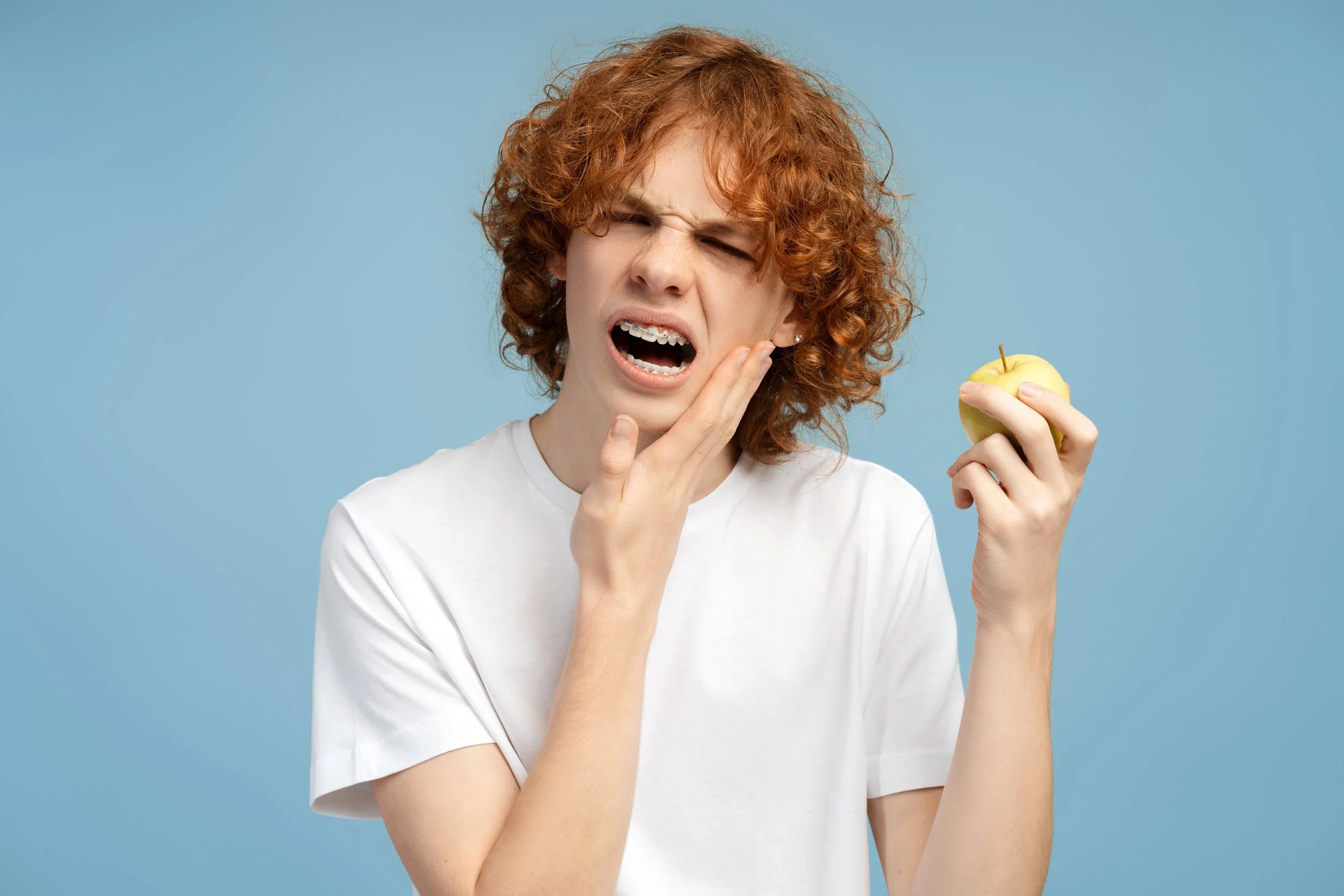
Symptoms may include:
jaw pain or tenderness
clicking or popping when opening the mouth
pain while chewing
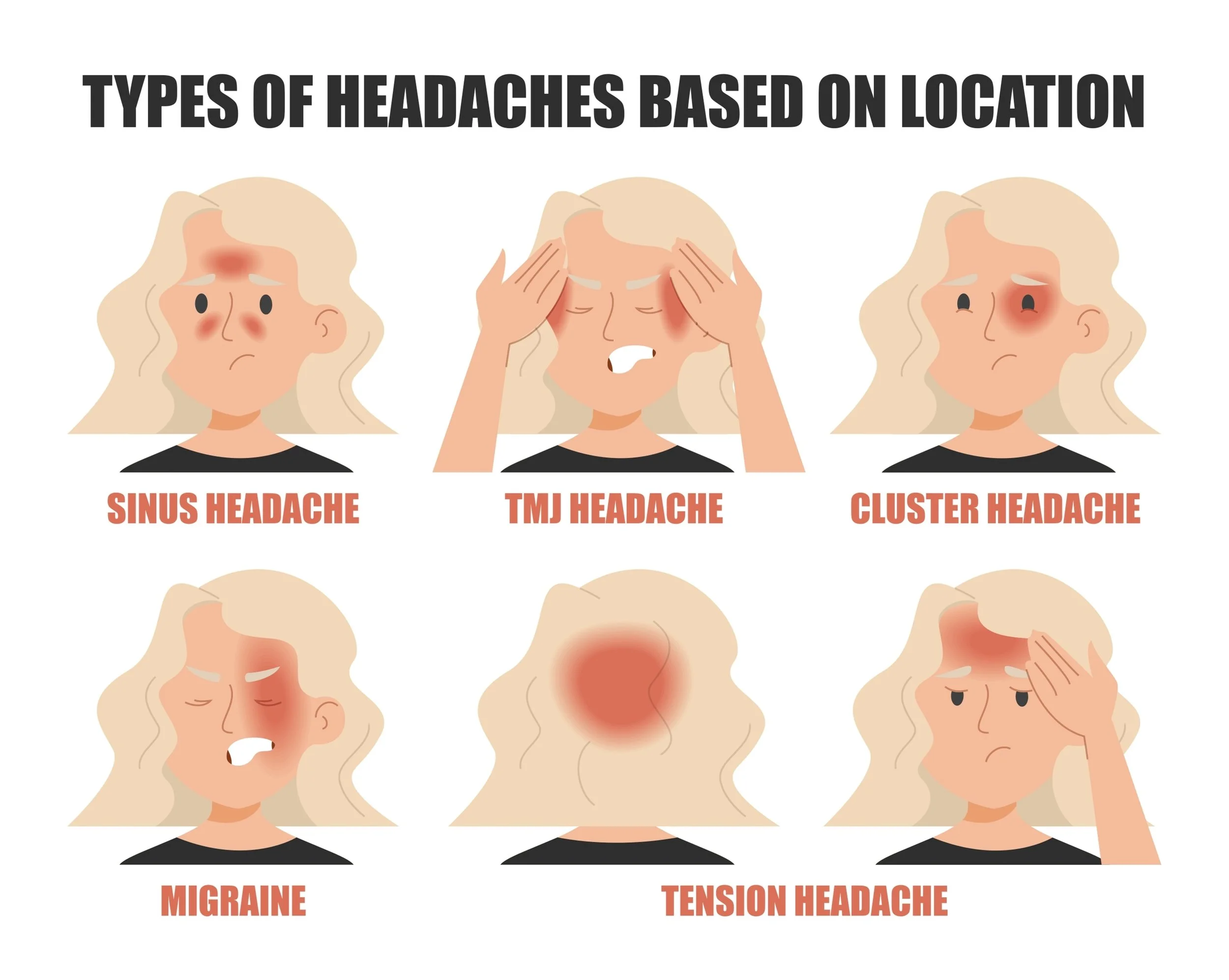
headaches or facial pain
ear discomfort or pressure
limited jaw opening
jaw locking or catching
Symptoms may worsen during stress, prolonged chewing, or teeth clenching.
TMJ Disorder vs Jaw Muscle Tension
Jaw pain can originate from either the joint itself or surrounding muscles.
TMJ Joint Irritation
clicking or popping in the jaw
pain when opening or closing the mouth
restricted jaw movement
Jaw Muscle Tension
soreness in the jaw muscles
tenderness along the cheeks or temples
symptoms related to clenching or grinding
A clinical evaluation helps determine the primary source of symptoms.
TMJ Disorder vs Jaw Muscle Tension
Jaw pain can originate from either the joint itself or surrounding muscles.
TMJ Joint Irritation
clicking or popping in the jaw
pain when opening or closing the mouth
restricted jaw movement
Jaw Muscle Tension
soreness in the jaw muscles
tenderness along the cheeks or temples
symptoms related to clenching or grinding
A clinical evaluation helps determine the primary source of symptoms.
TMJ Disorder vs Cervical Spine Pain
Because the jaw and cervical spine work together biomechanically, neck dysfunction can contribute to TMJ symptoms.
TMJ Disorder
localized jaw pain
clicking or popping
pain when chewing
Cervical Spine Dysfunction
neck stiffness
headaches originating from the neck
pain radiating toward the jaw or temple
Treating both the jaw and cervical region often improves long-term outcomes.
Precision Multimodal Regenerative Treatment in Brooklyn
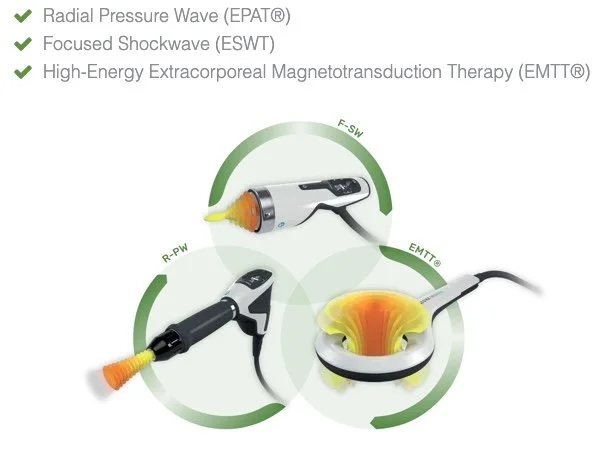
At Form & Function Chiropractic, we utilize a precision multimodal regenerative strategy tailored to the tissues involved in TMJ dysfunction.
Focused ESWT delivers controlled mechanical stimulation to irritated soft tissues surrounding the jaw and temporomandibular joint. This supports biological signaling and helps improve tissue responsiveness in chronic muscular tension patterns.
Radial shockwave may be applied to surrounding musculature including the masseter, temporalis, and upper cervical muscles to reduce regional overload.
EMTT is integrated into every regenerative protocol to enhance cellular metabolism and complement mechanical stimulation. When combined with progressive rehabilitation strategies, it supports the biological environment necessary for recovery.
Jaw Mobility & Cervical Rehabilitation
Treatment may also include:
jaw mobility exercises
cervical spine mobility work
postural correction
muscle relaxation strategies
Addressing both jaw mechanics and cervical function helps reduce recurrence.
When Imaging Is Necessary
Many cases of TMJ dysfunction can be diagnosed clinically.
Imaging may be recommended when:
significant jaw locking occurs
trauma has occurred
structural joint damage is suspected
symptoms persist despite treatment
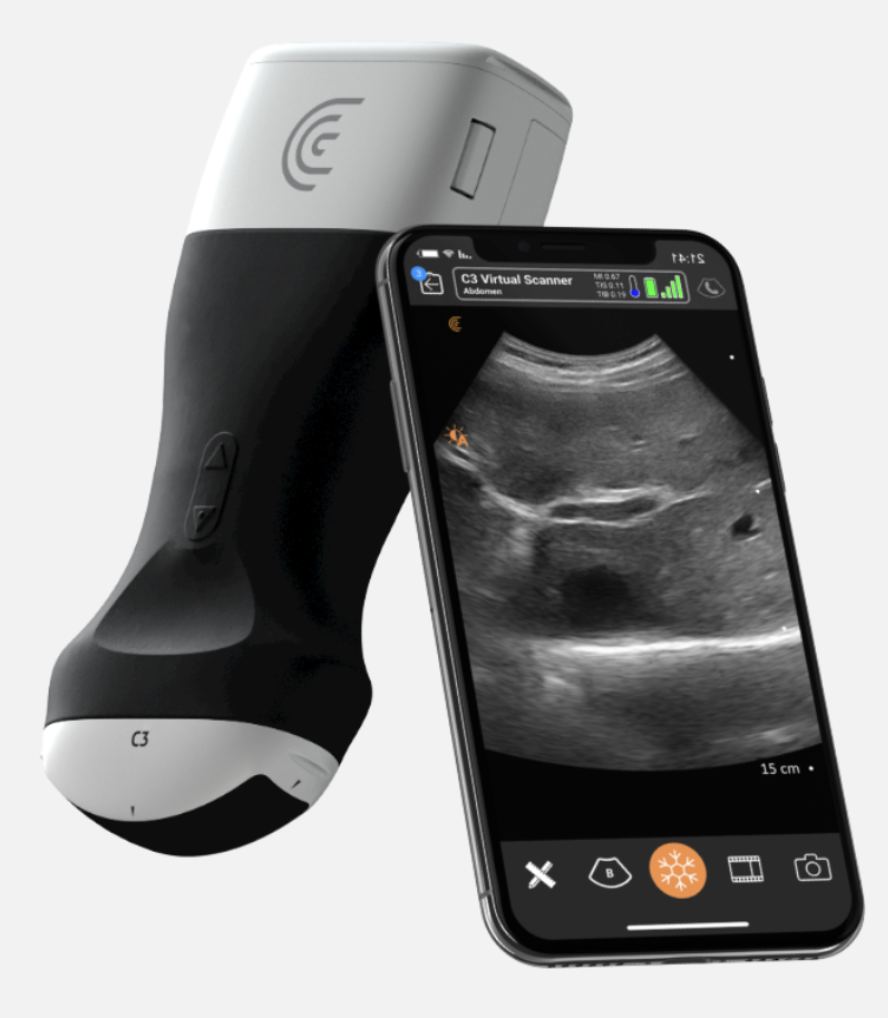
At Form & Function Chiropractic, in-house Clarius MSK diagnostic ultrasound may be utilized when clinically indicated to assess surrounding soft tissues and muscular structures involved in jaw function.
If advanced imaging such as MRI or specialized TMJ imaging is required, referral to the appropriate specialist may be coordinated.
Why TMJ Disorders Develop
Common contributing factors include:
teeth grinding or clenching
stress-related muscle tension
poor posture
cervical spine dysfunction
trauma to the jaw
excessive chewing or gum use
Addressing these factors is important for long-term recovery.
When Should You Seek Treatment for TMJ Pain?
You should seek evaluation if you experience:
persistent jaw pain
clicking or popping in the jaw
difficulty opening the mouth
headaches associated with jaw movement
pain when chewing
Early treatment can help prevent symptoms from becoming chronic.
Frequently Asked Questions
Can TMJ disorder cause headaches?
Yes. Tension in the jaw muscles and surrounding structures can contribute to headaches, particularly in the temples or around the ears.
Can neck problems cause TMJ pain?
Yes. Dysfunction in the cervical spine may influence jaw mechanics and contribute to TMJ symptoms.
Does TMJ disorder go away on its own?
Some cases improve with rest and activity modification, but persistent symptoms often require structured treatment.
Related Conditions
TMJ dysfunction may occur alongside:
neck and upper back pain
headaches
cervical spine dysfunction
muscle tension disorders
A comprehensive evaluation helps determine the primary contributor to symptoms.