

Metabolic Testing RMR & VO₂ Max Assessment in Brooklyn for Performance, Fat Loss, and Longevity
Discover how your body truly burns fat, uses oxygen, and responds to training.
Precision metabolic testing helps runners, active adults, and weight-loss patients train smarter, lose fat efficiently, and reduce injury risk.
What Is Metabolic Testing?
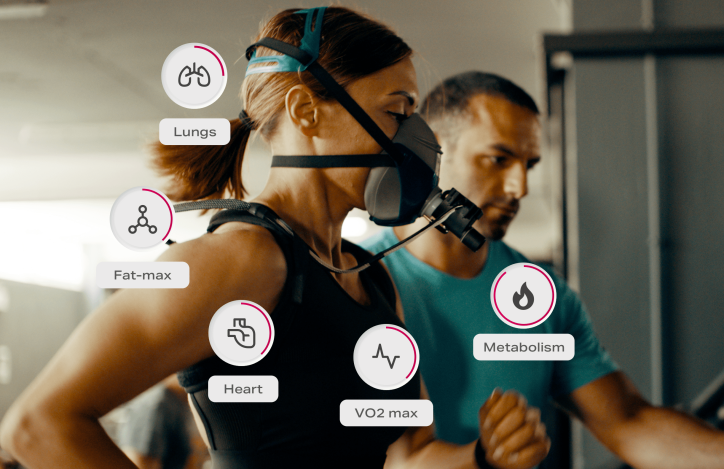
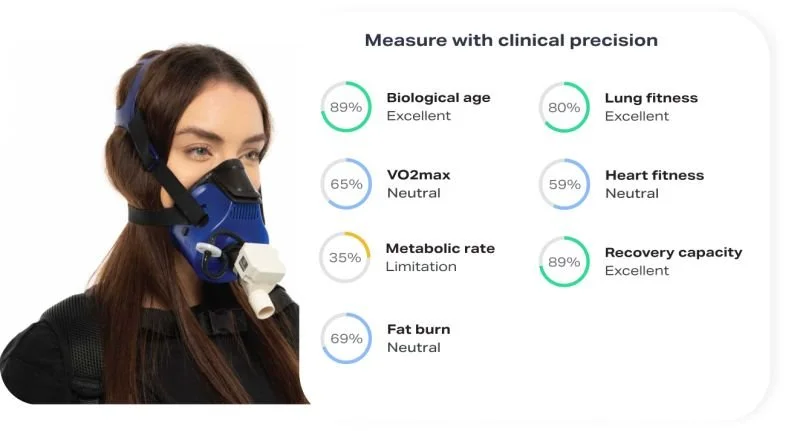
Metabolic testing measures how efficiently your body produces energy at rest and during exercise. Using advanced PNOẼ Breathe Analysis and Styku 3D body composition technology, this assessment reveals your true fat-burning zones, aerobic thresholds, caloric needs, training efficiency, percentage body fat, lean body mass, and overall body composition balance.
Unlike generic heart-rate formulas or online calculators, metabolic testing provides individualized physiological data that can be used to guide performance training, injury rehabilitation, and medical weight-loss strategies.
“Trying to track body fat loss with a bathroom scale or home BIA device is like riding a bike blindfolded — you’re moving, but you have no idea if you’re actually getting where you want to go—most people aren’t failing—they’re just measuring the wrong thing.””
— Dr. Craig Patane, Sports Chiropractor & Running Performance Specialist
Who Benefits from Metabolic Testing?
Metabolic testing is ideal for:
Runners and endurance athletes seeking performance gains
Individuals experiencing fat-loss plateaus
Patients using GLP-1 medications 💊 who want to preserve muscle mass 💪
Active adults focused on longevity and metabolic health
Athletes returning from injury
Anyone frustrated with ineffective training zones.

The Integrated Performance & Fat-Loss Assessment
PNOĒ metabolic assessment combines multiple advanced measurements to build a complete physiological profile.
Resting Metabolic Rate (RMR)
Measures how many calories your body burns at rest.
This helps determine precise nutrition targets for fat loss, weight maintenance, or performance fueling.
VO₂ Max & Ventilatory Threshold Testing
Identifies:
True aerobic training zones
Fat oxidation efficiency
Lactate threshold estimates
Cardiovascular fitness capacity
Breathing efficiency
These insights allow smarter training progression and reduced risk of overuse injury.
Substrate Utilization (Fat vs Carbohydrate Burning)
Understanding when your body shifts from fat to carbohydrate metabolism helps guide:
endurance training intensity
race pacing
fueling strategies
weight-loss programming
3D Body Composition Analysis
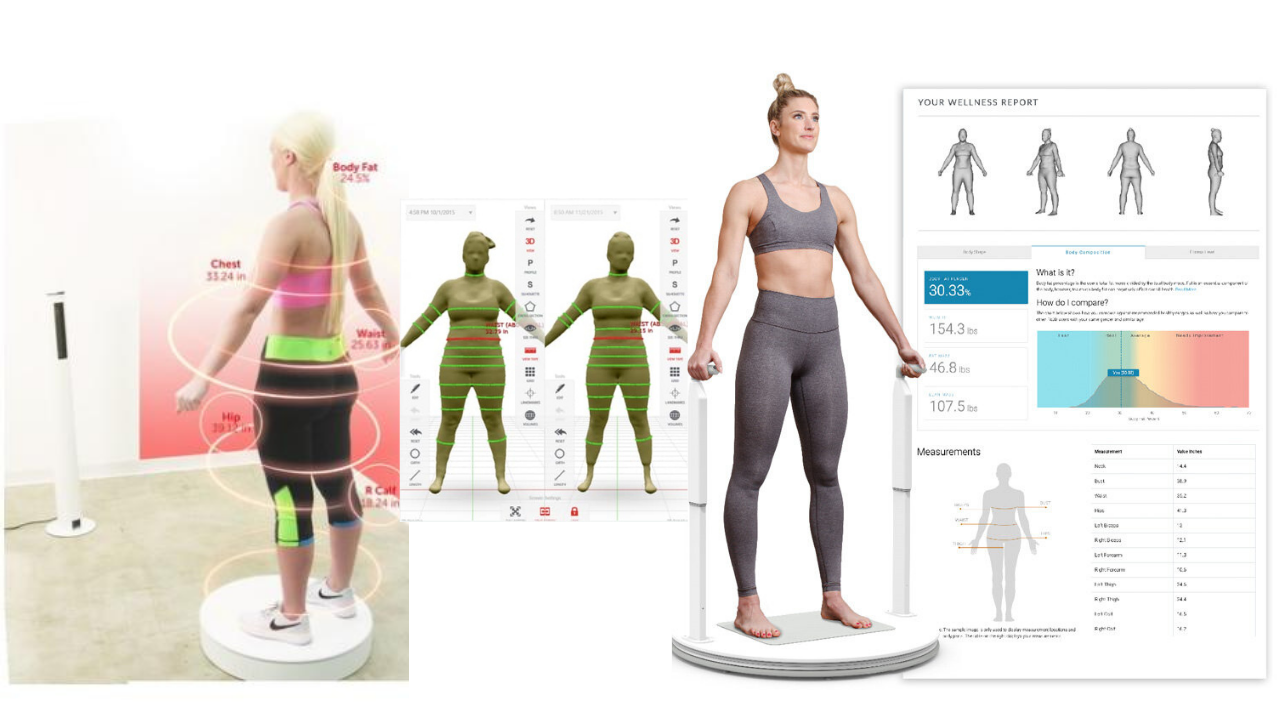
Advanced scanning technology measures:
body fat percentage
lean muscle distribution
segmental symmetry
postural analysis
This is particularly valuable for tracking fat loss during medical weight-loss programs and ensuring muscle preservation.
Metabolic Testing for Weight Loss and GLP-1 Programs
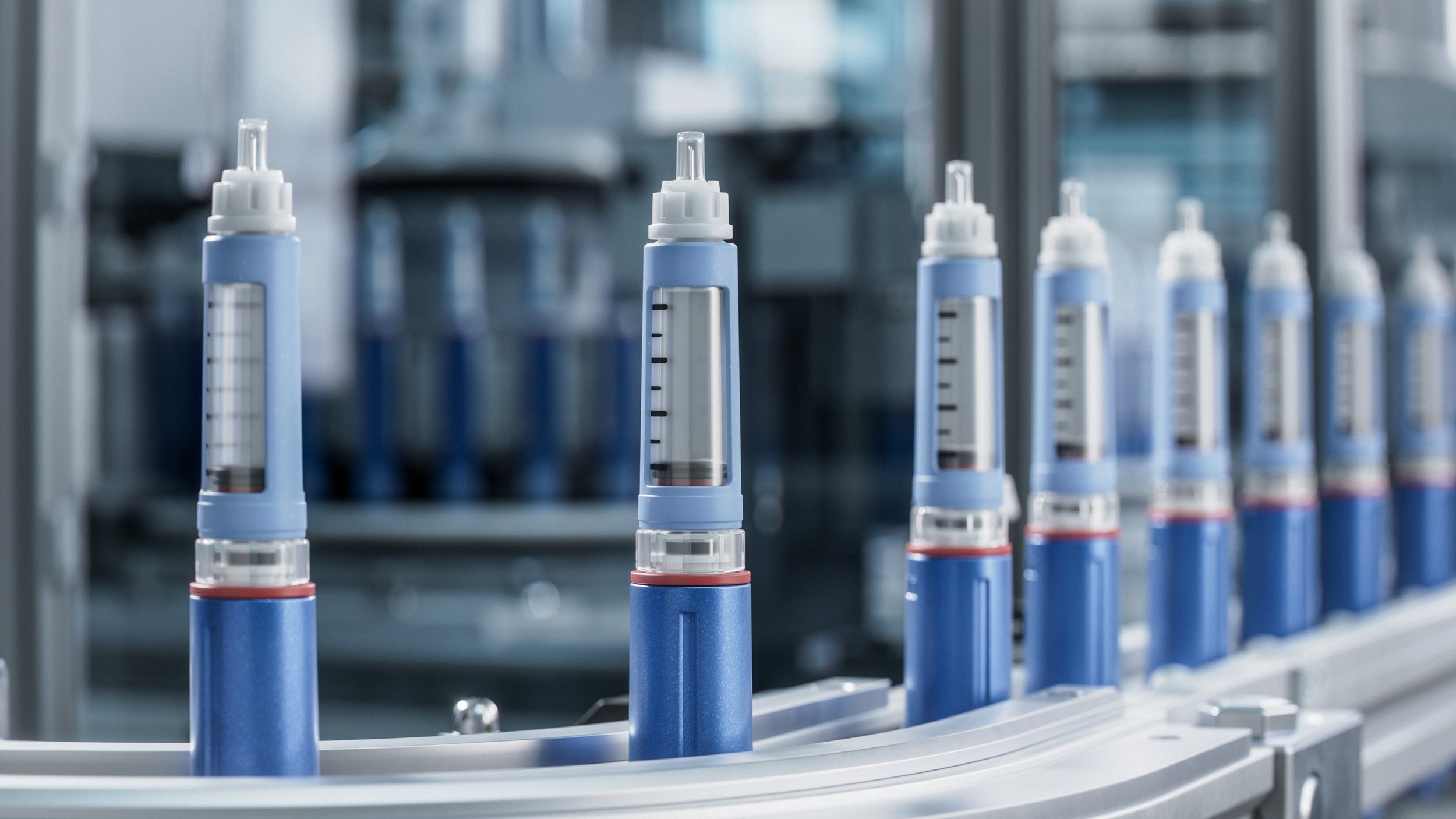
Metabolic testing is increasingly important for patients using GLP-1 medications such as semaglutide or tirzepatide.
While these medications can reduce appetite and promote weight loss, they may also contribute to loss of lean muscle mass and metabolic adaptation.
Objective metabolic data allows:
personalized calorie targets
structured strength training guidance
safe fat-loss progression
improved long-term weight maintenance
This approach supports sustainable metabolic health rather than short-term scale changes.
Metabolic Testing for Runners and Injury Prevention
Training at incorrect intensities is one of the most common contributors to running injuries and performance stagnation.
Metabolic testing helps runners:
avoid chronic “moderate intensity” overtraining
build true aerobic capacity
improve running economy
return to sport safely after injury
structure mileage progression more effectively
Physiological data is integrated with biomechanical assessment and rehabilitation planning to support long-term durability.

What You Receive After Testing
Following assessment, patients receive:
individualized heart-rate training zones
caloric expenditure and nutrition targets
fat-burning efficiency profile
performance or fat-loss strategy
recommendations for strength and conditioning focus
guidance on training intensity distribution
What You Receive After Testing
Following PNOĒ Breathe assessment, patients receive detailed physiological insights based on the specific testing performed.
If Resting Metabolic Rate (RMR) Testing Is Performed
Patients receive:
resting caloric expenditure measurement
individualized nutrition and fat-loss calorie targets
fat-burning efficiency profile at rest
analysis of 23 metabolic biomarkers related to respiratory efficiency, fuel utilization, and metabolic function
guidance for sustainable weight loss and muscle preservation
body composition analysis including body fat percentage and lean mass trends
This information is especially valuable for individuals pursuing fat loss, metabolic health optimization, or medical weight-loss programs including weight-loss medications.
If Active Metabolic Rate (AMR) / VO₂ Max Testing Is Performed
Patients also receive:
individualized heart-rate training zones
VO₂ max and aerobic fitness capacity analysis
ventilatory threshold identification
training intensity distribution guidance
performance strategy for endurance development
recommendations for strength and conditioning focus
These insights are particularly beneficial for runners, endurance athletes, and individuals returning to sport after injury.
Integrated Body Composition & Metabolic Analysis
Following the Styku 3D body composition scan, a detailed analysis is performed examining fat mass, lean body mass distribution, postural alignment trends, and overall health risk scoring.
These findings are not viewed in isolation. Instead, they are integrated with metabolic data obtained through respiratory gas analysis to provide a more complete understanding of how body composition influences energy utilization, performance capacity, and fat-loss potential.
Segmental lean mass trends may help guide strength training priorities, while fat distribution patterns can provide insight into metabolic health considerations. Postural asymmetries and movement tendencies identified during scanning can also support rehabilitation planning and injury-prevention strategies.
When combined with metabolic testing, this integrated approach allows for more precise recommendations related to training intensity, nutrition targets, fat-loss programming, and long-term performance development.

Frequently Asked Questions About Metabolic Testing
-
Metabolic testing helps determine how efficiently the body produces energy, burns fat, and responds to exercise or calorie restriction. The results can guide performance training, structured fat-loss programs, rehabilitation planning, and long-term metabolic health strategies.
-
Yes. Metabolic testing provides individualized calorie targets and insight into fat-burning efficiency, helping reduce guesswork during weight-loss programs. This is especially valuable for individuals experiencing plateaus or wanting to preserve lean muscle mass especially when on weight loss medications.
-
Metabolic testing can be beneficial for individuals using GLP-1 medications because it helps monitor metabolic adaptation and supports strategies to preserve lean muscle while losing body fat. Objective data allows more structured nutrition and strength training recommendations.
-
Metabolic testing generally takes 20 to 60 minutes depending on the depth of evaluation.
Entry-level assessments designed for weight-loss programs or metabolic health optimization may take around 20 minutes, while more advanced performance testing that includes exercise analysis and detailed physiological profiling may take 40 to 60 minutes.
The appropriate testing level is determined based on goals such as fat loss, endurance performance, or return-to-sport planning.
-
Preparation may include avoiding intense exercise, caffeine, and large meals for several hours before testing. Specific instructions are typically provided before the appointment to ensure accurate results.
-
Metabolic testing is commonly repeated every 3 to 6 months to evaluate changes in aerobic fitness, metabolic efficiency, and caloric needs.
Body composition scans may be performed on a more regular basis to monitor whether weight loss is primarily coming from reductions in body fat versus lean muscle mass. This is particularly valuable for individuals pursuing fat loss, performance improvements, or using GLP-1 medications.
Objective monitoring helps guide safer progression and more sustainable long-term results.
-
How much does metabolic testing cost?
Cost varies depending on the type of testing performed and whether body composition analysis and performance assessments are included. Structured metabolic assessment packages are designed based on individual goals such as performance development or fat-loss monitoring.
-
Metabolic testing is generally safe and well tolerated for most individuals. Exercise-based assessments are carefully adjusted to match a participant’s fitness level, health history, and current goals.
Pre-testing screening helps determine the appropriate level of evaluation, and testing intensity can be modified or stopped at any time if needed. Many individuals undergoing metabolic testing are returning from injury, beginning structured weight-loss programs, or looking to safely improve cardiovascular fitness.
-
Training at incorrect intensities can contribute to overuse injuries. Metabolic testing helps identify appropriate training zones and supports more gradual progression strategies for endurance athletes and active individuals.
-
Yes. All recommendations are based on your unique metabolic physiology and testing results. This may include individualized training zones, nutrition targets, fat-loss strategies, and strength or recovery priorities.
Programs are created through careful clinical interpretation of your data rather than automated templates or AI-generated plans. Initial guidance can often be provided within 48 hours, while fully developed performance or metabolic programs are typically completed within 10 to 14 days.
AI can generate templates, but precision metabolic testing uncovers how your body actually produces energy, burns fat, and responds to training.
Stop relying on generalized formulas.
Measure your physiology, understand your data, and build a strategy designed specifically for you.
Real testing. Real data. Real clinical interpretation.
Whether your goal is performance, fat loss, or preserving muscle during medical weight-loss programs, precision matters.
Book your metabolic assessment and start training — and losing fat — with purpose.