
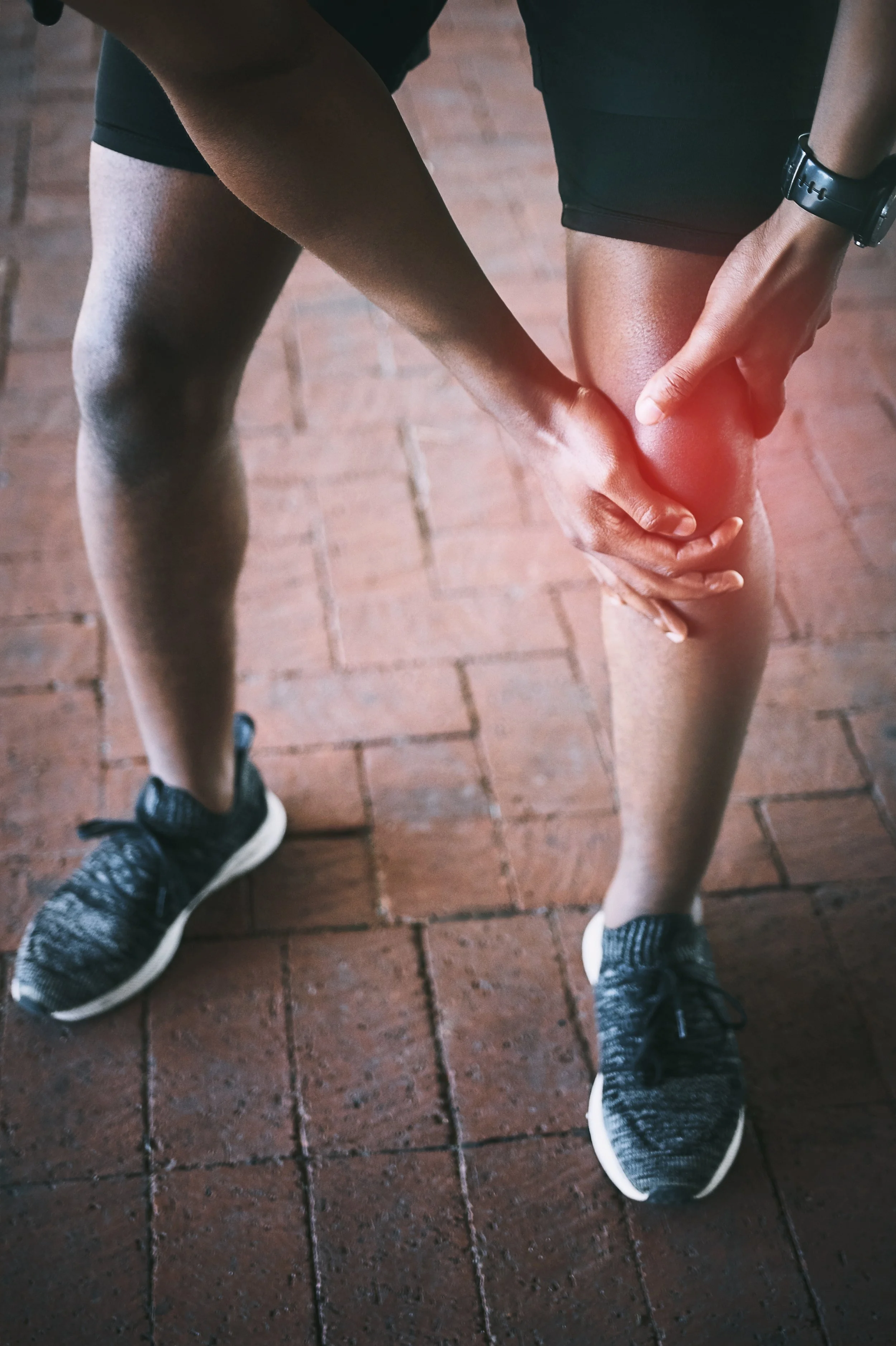
Patellofemoral Pain Treatment in Brooklyn (Runner’s Knee Rehabilitation)
At Form & Function Chiropractic in Brooklyn, treatment for patellofemoral pain focuses on identifying the mechanical and training-related factors contributing to anterior knee stress while restoring movement efficiency and load tolerance through structured rehabilitation.
Patellofemoral pain — often referred to as runner’s knee — is one of the most common causes of anterior knee pain in runners and active individuals. It typically develops when repetitive loading exceeds the ability of the joint and surrounding structures to tolerate stress.
What Is Patellofemoral Pain?
Patellofemoral pain refers to irritation of the structures surrounding the kneecap (patella), often presenting as pain in the front of the knee during running, squatting, stair use, or prolonged sitting.
Unlike tendon injuries, patellofemoral pain is often influenced by:
• movement mechanics
• load distribution
• hip and lower limb control
• training progression
It is commonly a load management and movement efficiency problem — not a structural damage issue.
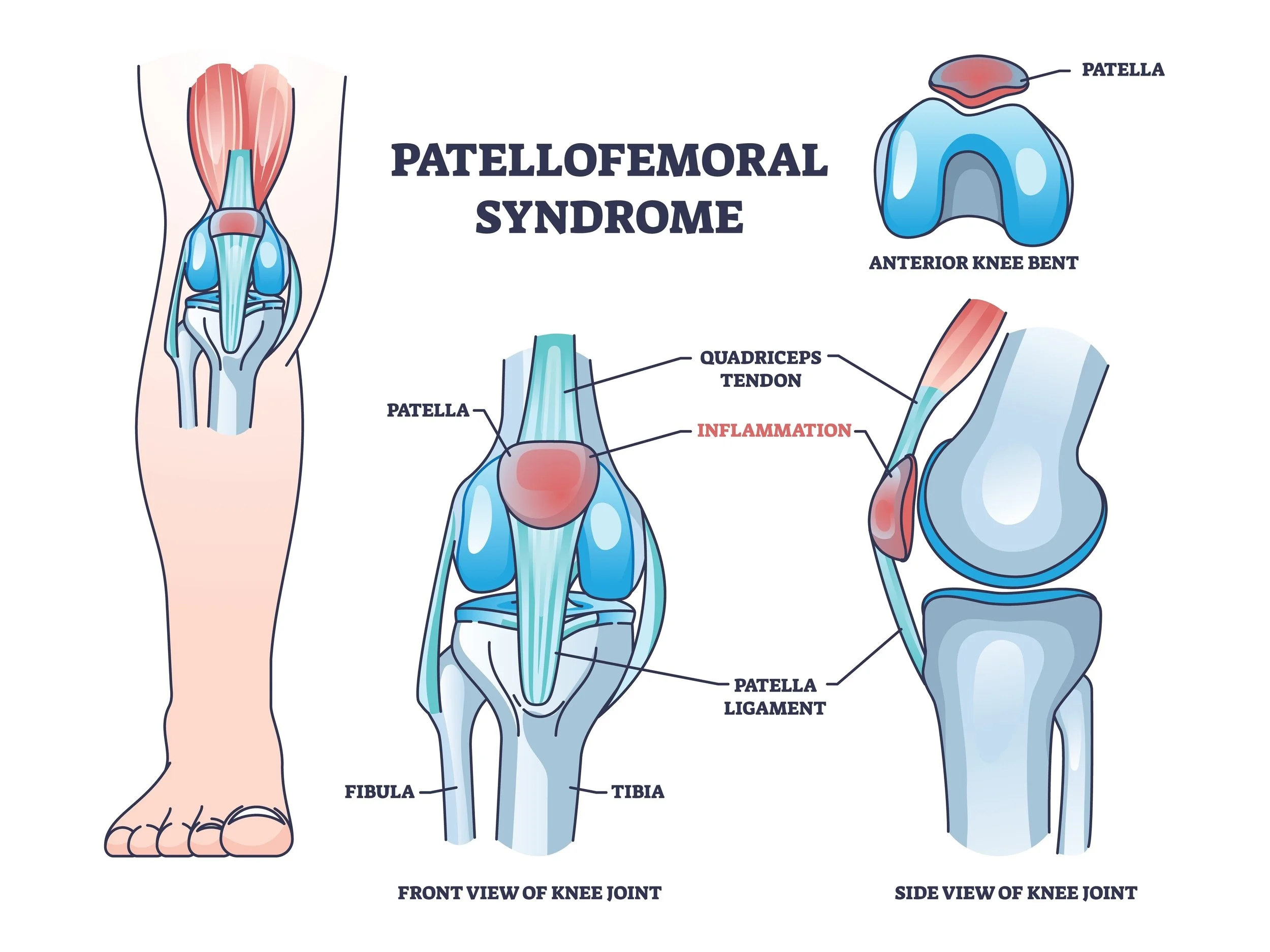
Common Symptoms of Runner’s Knee
• pain around or behind the kneecap
• discomfort with stairs, squats, or lunges
• pain during or after running
• stiffness after prolonged sitting
• reduced tolerance to impact activity
Conditions Commonly Confused with Runner’s Knee
Runner’s knee is often mistaken for other causes of knee pain, including:
• Patellar tendinopathy (pain at the patellar tendon below the kneecap)
• Iliotibial band syndrome (IT band syndrome) (pain on the outside of the knee)
Accurate diagnosis is important, as these conditions involve different structures and require different treatment strategies.
Precision Multimodal Treatment and Load Management Strategy
Patellofemoral pain is rarely just a “kneecap problem.” In many cases, symptoms reflect a combination of joint overload, poor force distribution, hip and lower limb control deficits, and training progression errors.
At Form & Function Chiropractic, treatment is designed to reduce pain sensitivity, improve tissue tolerance, and restore efficient movement through a structured multimodal approach.
Focused Shockwave and Radial Pressure Wave Therapy
Shockwave therapy may be incorporated to influence pain sensitivity, improve circulation, and support tissue responsiveness in chronically overloaded structures surrounding the knee.
Focused shockwave may be used in more localized or persistent cases, while radial pressure wave can help address contributing myofascial overload in the quadriceps, patellar retinaculum, and surrounding kinetic chain.
EMTT (Extracorporeal Magnetotransduction Therapy)
EMTT may be integrated to support cellular metabolism and regenerative signaling in chronically irritated connective tissue.
When combined with mechanical stimulation strategies, EMTT helps improve the overall biological environment for recovery, particularly when symptoms have plateaued.
Photobiomodulation Therapy (Laser Therapy)
Laser therapy using red and near-infrared wavelengths may be incorporated to support inflammatory modulation, improve circulation, and reduce pain sensitivity.
This can be especially helpful in improving tolerance to progressive strength and movement-based rehabilitation.
Functional Range Conditioning and Movement Control
Functional Range Conditioning (FRC®) principles may be used to improve:
• hip and ankle contribution to force absorption
• knee control during loaded movement
• joint mobility where restrictions increase patellofemoral stress
• coordination throughout the lower kinetic chain
Improving movement control helps reduce excessive stress on the patellofemoral joint during running, stairs, squatting, and impact activity.
Progressive Strength Development and Load Capacity Restoration
Long-term recovery depends on restoring the body’s ability to tolerate load efficiently.
Rehabilitation may include:
• quadriceps strengthening
• hip abductor and external rotator strengthening
• posterior chain development
• single-leg stability training
• graded return to impact activity
Load is progressed based on symptom response, movement quality, and functional demands.
Running Mechanics and Return-to-Running Strategy
For runners and active individuals, patellofemoral pain is often influenced by cadence, stride mechanics, training structure, and surface exposure.
A detailed overview of running gait analysis and return-to-running strategy is provided in the following section.
Return-to-Running Strategy and Load Progression
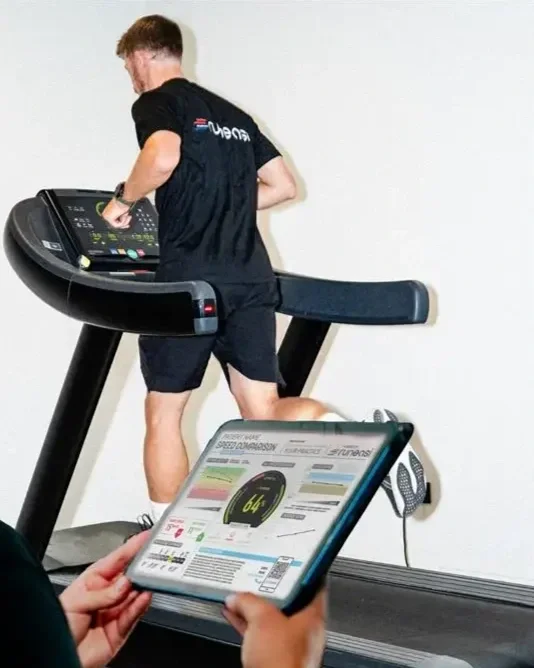
Many running injuries are influenced by stride mechanics, cadence, terrain exposure, and training progression.
When appropriate, biomechanical running gait analysis and individualized return-to-running coaching may be incorporated to help improve load tolerance and reduce reinjury risk.
👉 Explore our running gait analysis and performance coaching services
Frequently Asked Questions About Patellofemoral Pain
-
Patellofemoral pain refers to irritation of the structures around and behind the kneecap, typically driven by how load is distributed through the knee during movement.
Rather than a single damaged structure, it is often a movement-based condition influenced by hip control, foot mechanics, and repetitive loading patterns.
-
Runner’s knee usually develops when repetitive stress exceeds the body’s ability to distribute load efficiently.
Common contributors include rapid increases in mileage, downhill running, cadence patterns, hip and quadriceps weakness, and movement strategies that increase stress on the patellofemoral joint.
-
Symptoms may temporarily improve with reduced activity, but without addressing underlying movement patterns and strength deficits, pain often returns once loading increases again.
Long-term resolution typically requires restoring strength, control, and load tolerance.
-
Not necessarily. Many runners can continue modified training depending on symptom severity.
Adjustments such as reducing volume, modifying terrain, or improving cadence can help decrease knee stress while maintaining conditioning. A structured progression is then used to safely return to full training.
-
Recovery timelines vary depending on symptom duration, training demands, and how well underlying contributors are addressed.
Some individuals improve within a few weeks, while others require several months to fully restore movement efficiency and load tolerance.
In cases where symptoms are more persistent, regenerative therapies such as focused shockwave, radial pressure wave, EMTT, and photobiomodulation may be incorporated to help reduce pain sensitivity and improve tissue responsiveness. This can allow for more effective progression through rehabilitation.
Functional Range Conditioning (FRC®) and structured strength development are then used to improve joint control and load distribution, while running gait analysis helps identify and correct mechanical factors contributing to knee stress.
When these approaches are integrated, recovery is not only focused on symptom reduction, but on restoring efficient movement and supporting a safer return to running and activity.
-
The most effective exercises focus on improving how load is distributed through the knee rather than just strengthening the joint in isolation.
Rehabilitation typically includes:
• hip abductor and external rotator strengthening
• quadriceps strengthening (especially through controlled ranges)
• single-leg stability and control work
• posterior chain developmentIn many cases, exercises are progressed from basic control and strength into more dynamic loading based on symptom response.
At Form & Function Chiropractic, this progression may be combined with Functional Range Conditioning (FRC®) to improve joint control and movement efficiency, along with running gait analysis to address mechanical contributors to knee stress.
-
Yes. Running mechanics strongly influence how force is absorbed through the knee.
Factors such as overstriding, low cadence, poor hip control, and asymmetrical loading patterns can increase stress on the patellofemoral joint.
Addressing mechanics without improving strength and load tolerance is often not enough — both must be developed together for long-term success.
-
No. Patellofemoral pain involves joint mechanics and load distribution around the kneecap, while patellar tendinopathy is a tendon-specific condition involving the patellar tendon.
They require different rehabilitation strategies.
-
Pain with going downstairs is a common symptom of patellofemoral pain and is often related to increased load on the kneecap during knee flexion.
Activities like descending stairs place higher compressive forces on the patellofemoral joint, especially when control through the hip and quadriceps is limited.
Contributing factors may include:
• reduced hip stability
• poor control of knee alignment
• limited shock absorption
• fatigue or overload from trainingAt Form & Function Chiropractic, treatment focuses on improving movement control, strength, and load distribution to reduce stress on the joint. This may include Functional Range Conditioning (FRC®), progressive strength development, and running gait analysis to address underlying mechanical contributors.
-
Knee pain after prolonged sitting — sometimes called “movie theater knee” — is commonly associated with patellofemoral pain.
When the knee remains bent for extended periods, pressure within the patellofemoral joint increases. If the joint is already sensitive due to overload or movement inefficiency, this can lead to stiffness and discomfort when standing up.
This type of pain is often influenced by:
• joint sensitivity from repetitive loading
• reduced movement variability
• muscle stiffness or fatigue
• underlying movement and control deficitsImproving joint tolerance through progressive loading, movement-based rehabilitation, and addressing contributing mechanical factors can help reduce these symptoms over time.
-
Yes. If load management, strength deficits, and movement inefficiencies are not addressed, symptoms may persist or fluctuate long-term — especially in runners who continue training without modifying contributing factors.
-
Prevention focuses on improving how the body handles load.
Key factors include:
• gradual training progression
• strength development (especially hips and quadriceps)
• mobility where needed
• efficient running mechanics
• adequate recovery between sessions
Don’t Let Knee Pain Disrupt Your Training
Patellofemoral pain often persists when movement mechanics and load distribution are not properly addressed.
A structured rehabilitation and movement-based approach can help restore knee function, reduce pain, and support a confident return to running.
Schedule your patellofemoral pain evaluation in Brooklyn today and begin a clear, performance-focused recovery plan.