Learn what to expect from shockwave therapy in Brooklyn, NY. Discover why dose, pressure, and treatment location matter for healing and long-term results.
Shockwave therapy is a biological treatment, not a switch that turns pain off. It restarts stalled healing, so results build over a course of about six weekly visits rather than arriving overnight. Three things decide whether it works: the right dose, the right pressure and depth, and precise location, treating the true source rather than just where it hurts. And patients who understand the process get better results, which is why education is part of the treatment.
A few weeks ago, I had the privilege of attending the Institute for Tissue Regeneration and Repair Conference hosted by CuraMedix in Boston. One consistent theme across lectures and clinical discussions was the importance of patient education: setting realistic expectations, avoiding overpromising rapid results, and reinforcing that healing is a process that continues well beyond the final treatment session. We also spent significant time discussing how proper diagnosis, dosing, treatment location, and pressure play a critical role in achieving the desired outcomes with shockwave therapy.
That conference experience prompted me to create a series of educational posters for my treatment room, designed to visually reinforce the concepts I actively teach patients during care. While treatment is happening, patients are passively building a deeper understanding and comprehension of what we're doing, why we're doing it, and what to expect over the course of their initial six weekly visits.
Patient understanding leads to better outcomes, and better outcomes start with education.
What Is Shockwave Therapy?
Shockwave therapy, also known as extracorporeal shockwave therapy (ESWT) or EPAT, uses acoustic pressure waves to stimulate healing in injured tissue.
These sound waves create controlled mechanical stress that:
- Increases blood flow
- Stimulates cellular metabolism
- Activates growth factors
- Breaks down scar tissue and calcifications
- Encourages regeneration in tendon, muscle, and bone
Shockwave therapy does not simply “turn pain off.” Instead, it restarts stalled healing processes, which is why education and expectations are so important.
Why Patient Education Is Critical for Shockwave Therapy Success
One of the most common reasons patients are disappointed with shockwave therapy is misaligned expectations.
Shockwave therapy is a biological treatment, not a passive pain-relief modality. That means:
- Results are cumulative
- Healing continues between sessions
- Mild soreness is normal and expected
- Improvement often occurs gradually, not instantly
Patients who understand why they are doing multiple sessions, and what the therapy is doing inside the tissue, consistently have better outcomes.
What to Expect During the First 6 Weekly Shockwave Therapy Visits
Most effective shockwave therapy programs involve 6 sessions spaced weekly. This schedule allows the body time to respond biologically while building cumulative healing effects.
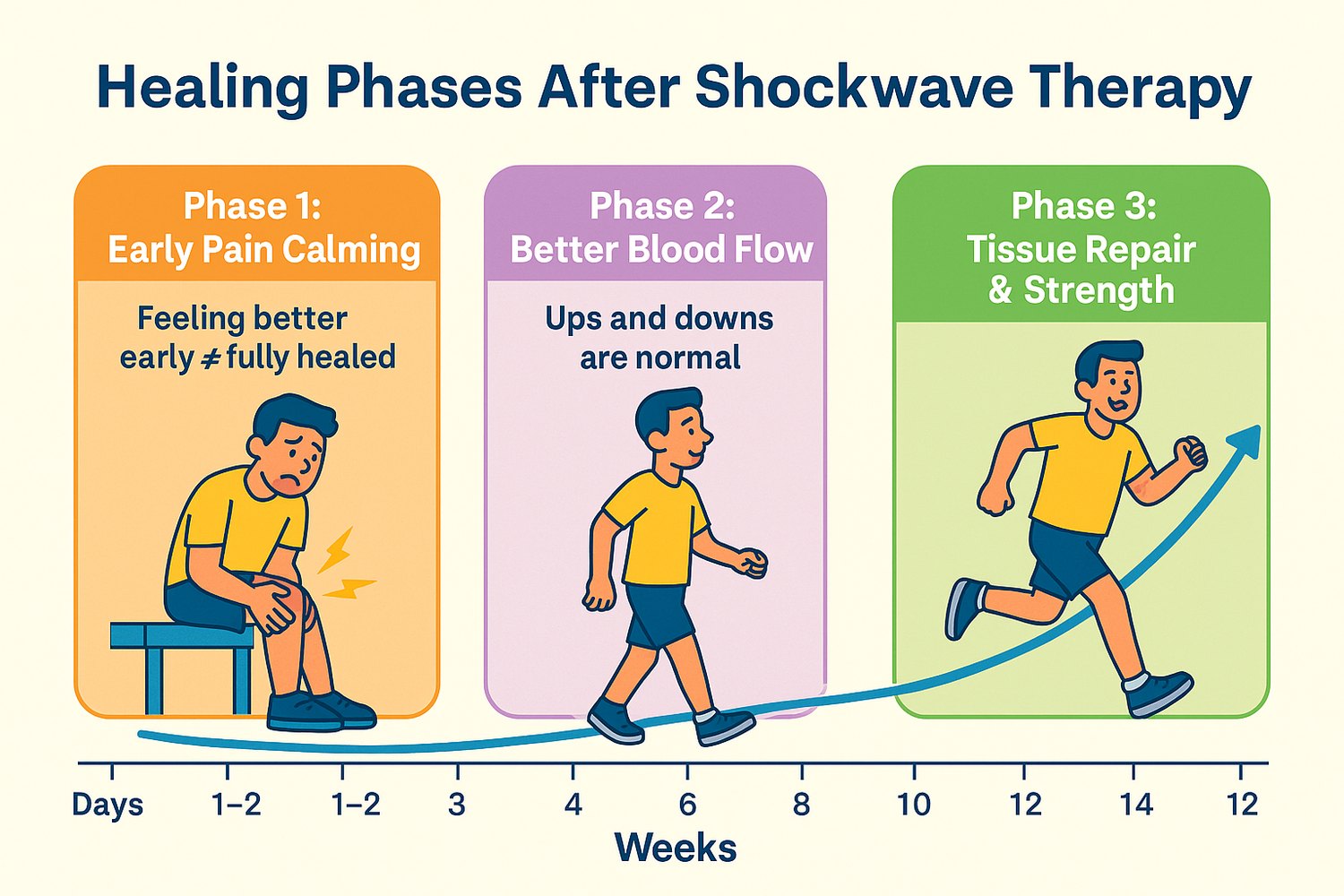
/Visit 1 to 2: Cellular Activation & Sensitization
- Tissue is being stimulated
- Blood flow increases
- Cellular signaling pathways activate
Pain may temporarily fluctuate. This is not a setback. It's often the start of tissue remodeling.
/Visit 3 to 4: Tissue Adaptation & Early Healing
At this stage:
- Many patients notice improved movement
- Pain may become more localized or less intense
- Tissue quality begins to change
This is when correct dosing and pressure become especially important.
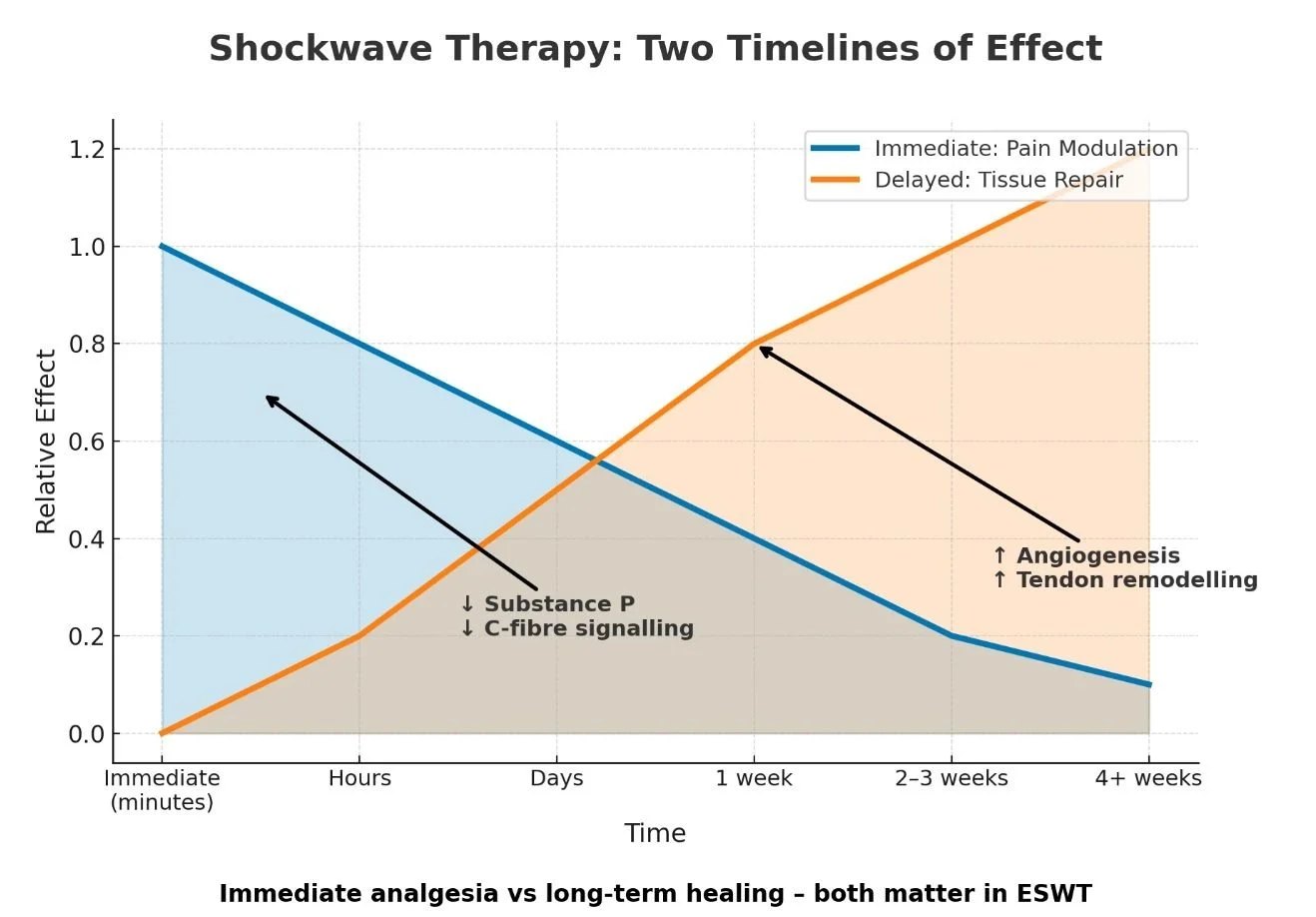
/Visit 5 to 6: Consolidation & Functional Improvement
In later sessions:
- Healing processes stabilize
- Strength and tolerance improve
- Functional movements become easier
Skipping sessions or under-dosing at this stage can limit results.
Why Dose, Pressure, and Location Matter in Shockwave Therapy
Not all shockwave therapy is the same.
/1. Dose (Energy Delivered)
Shockwave therapy must deliver enough mechanical energy to stimulate healing, but not so much that it overwhelms tissue.
Too little dose = no meaningful biological response. Too much dose = excessive soreness or irritation.
Proper dosing depends on:
- Tissue type (tendon vs bone vs muscle)
- Chronicity of injury
- Patient tolerance
- Treatment goals
/2. Pressure & Depth
Different tissues require different pressures.
- Superficial tendons respond differently than deep joint structures
- Bone stress injuries require different energy profiles than muscle trigger points
Using the wrong pressure or depth may miss the target tissue entirely.
/3. Precise Location
This is one of the most overlooked factors.
Pain is often not the true source of dysfunction. Effective shockwave therapy requires:
- Accurate anatomical assessment
- Understanding of load patterns
- Identification of degenerative tissue vs reactive tissue
Precision matters more than simply “treating where it hurts.”
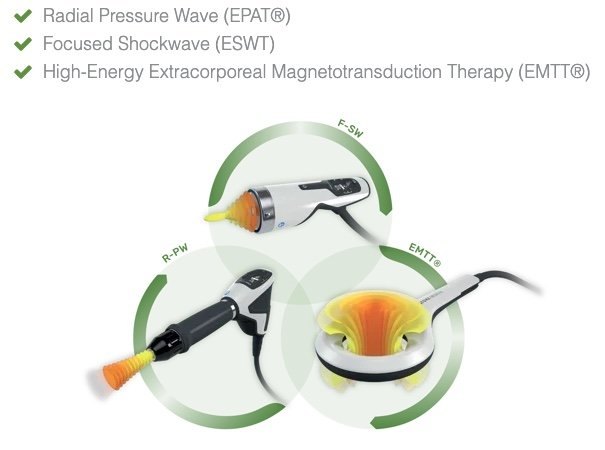
Why a Multi-Modal Shockwave Approach Improves Outcomes
Advanced shockwave therapy in Brooklyn, NY often combines:
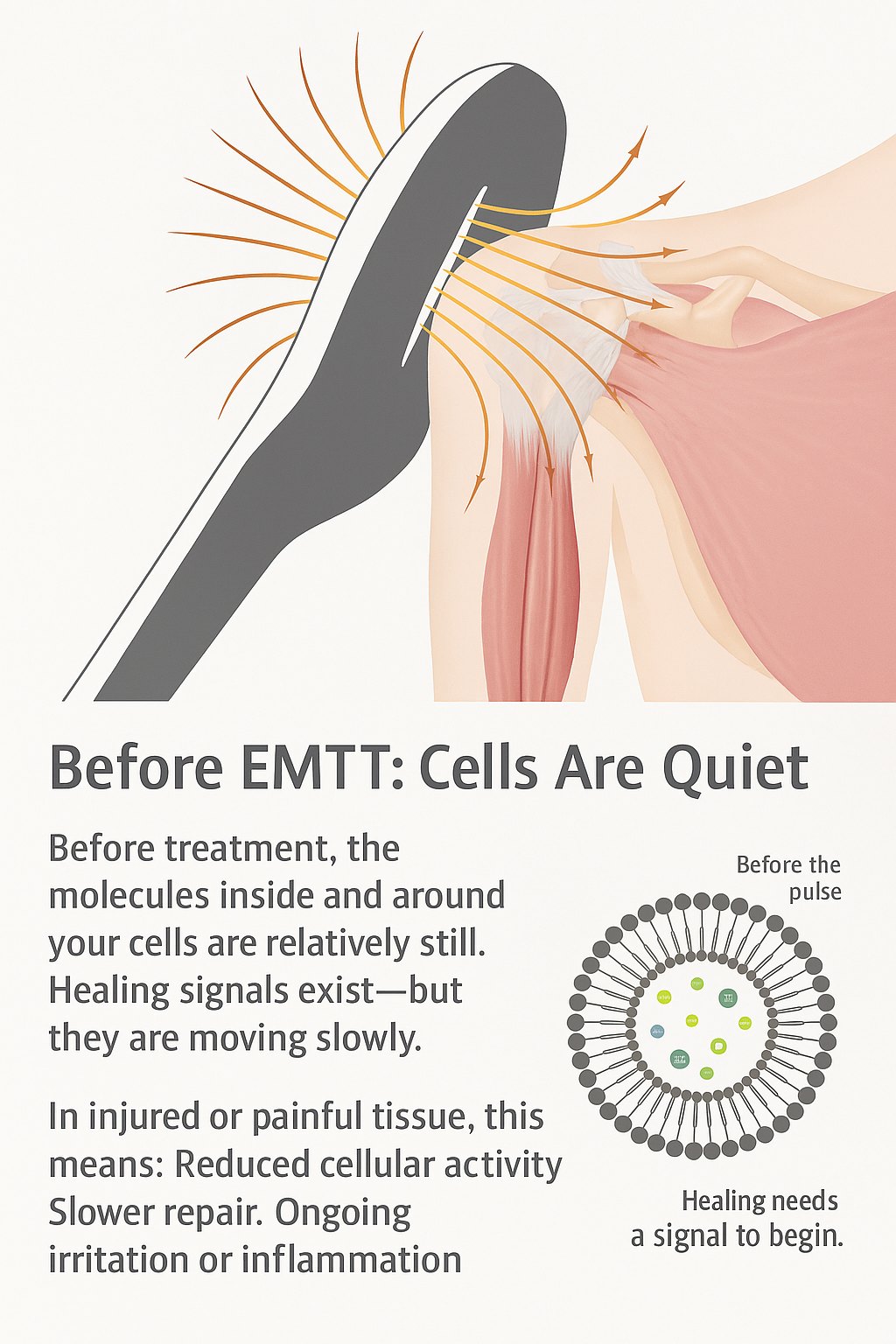
- Radial pressure wave therapy (broader, superficial stimulation)
- Focused shockwave (deeper, targeted energy)
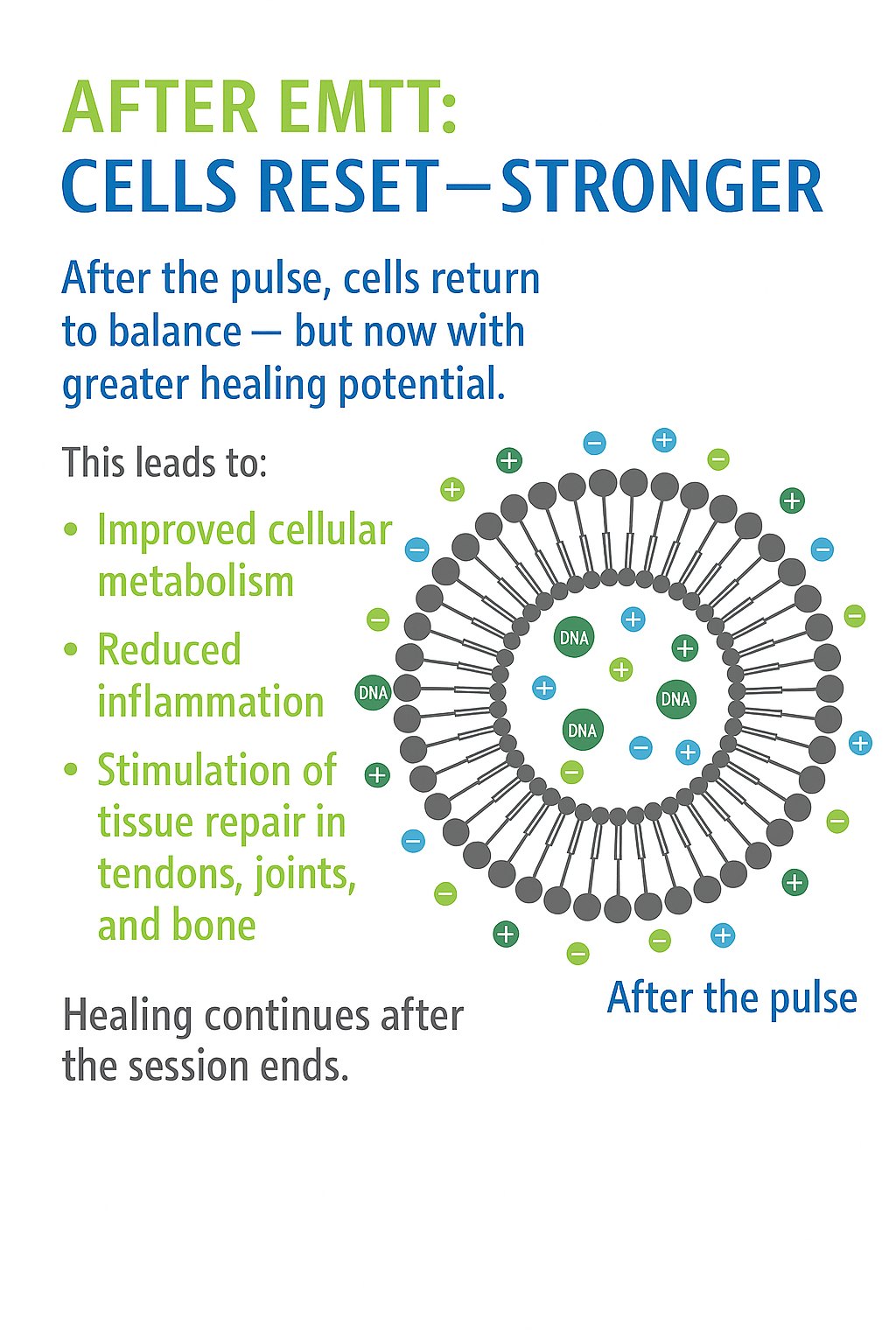
- EMTT (Extracorporeal Magnetotransduction Therapy) for cellular metabolism and inflammation control
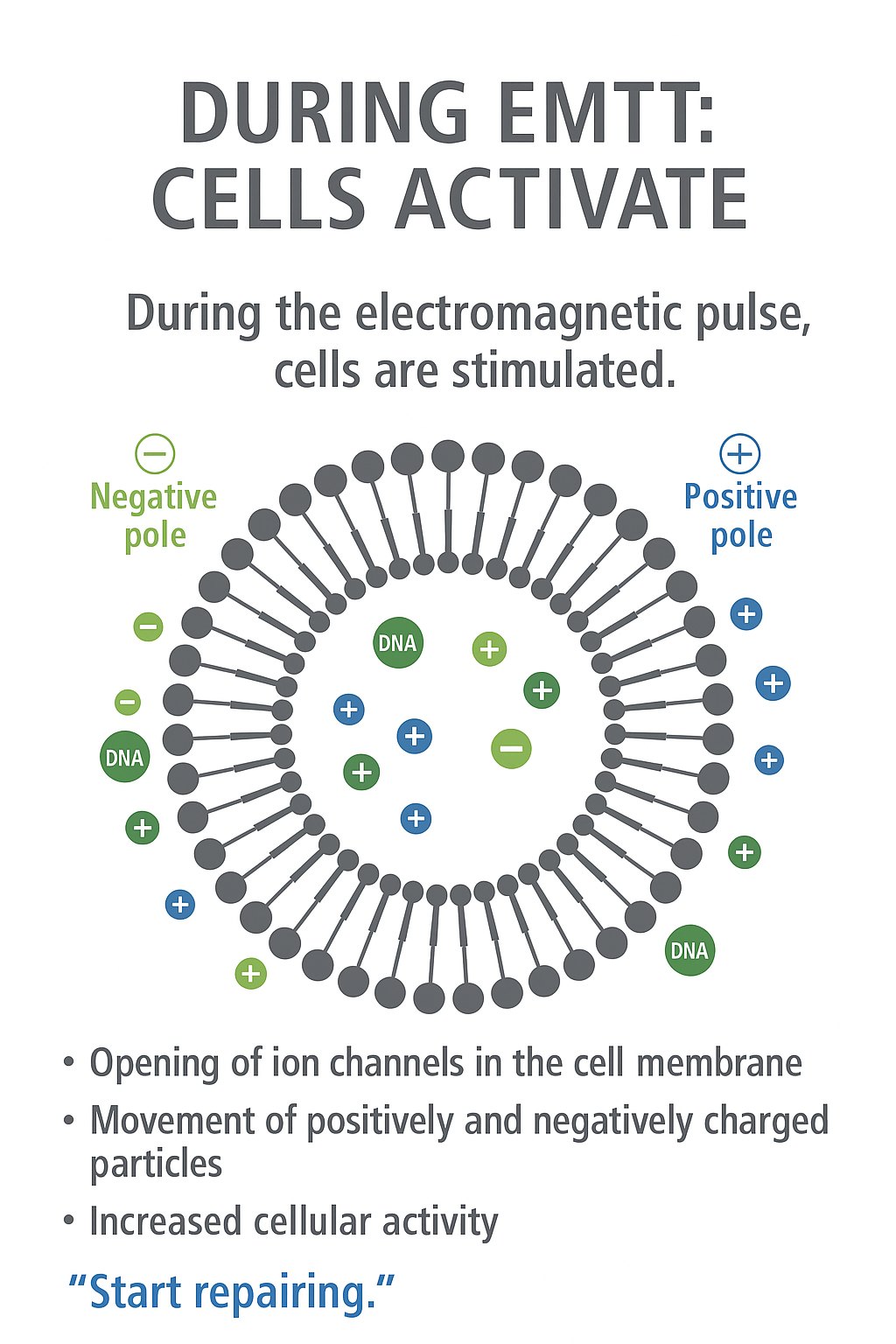
This layered approach allows treatment of:
- Soft tissue
- Tendons
- Bone stress injuries
- Cellular healing processes
One-size-fits-all shockwave protocols simply cannot address all of these layers effectively.
Why Education Improves Healing Outcomes
Patients who understand:
- Why NSAIDs are avoided
- Why heat and hydration matter
- Why movement is encouraged
- Why soreness is normal
…are far more likely to:
- Complete the full treatment plan
- Modify activity appropriately
- Support healing outside the clinic
Education turns shockwave therapy from a passive treatment into an active healing process.
Shockwave Therapy Is a Process, Not a Single Treatment
Shockwave therapy works best when:
- Delivered with proper dosing and pressure
- Applied with anatomical precision
- Paired with patient education and expectation management
- Completed over the full recommended treatment course
When done correctly, it can be an extremely powerful tool for:
- Chronic tendon pain
- Bone stress injuries and delayed healing
- Post-surgical recovery
- Long-standing musculoskeletal pain
Final Thoughts: Why What You Expect Matters
Shockwave therapy is not about chasing immediate pain relief. It's about restoring tissue health.
Patients who understand what to expect during the first 6 weekly visits, and why dose, pressure, and location matter, consistently achieve better, longer-lasting results.
Education is not optional. It is part of the treatment.
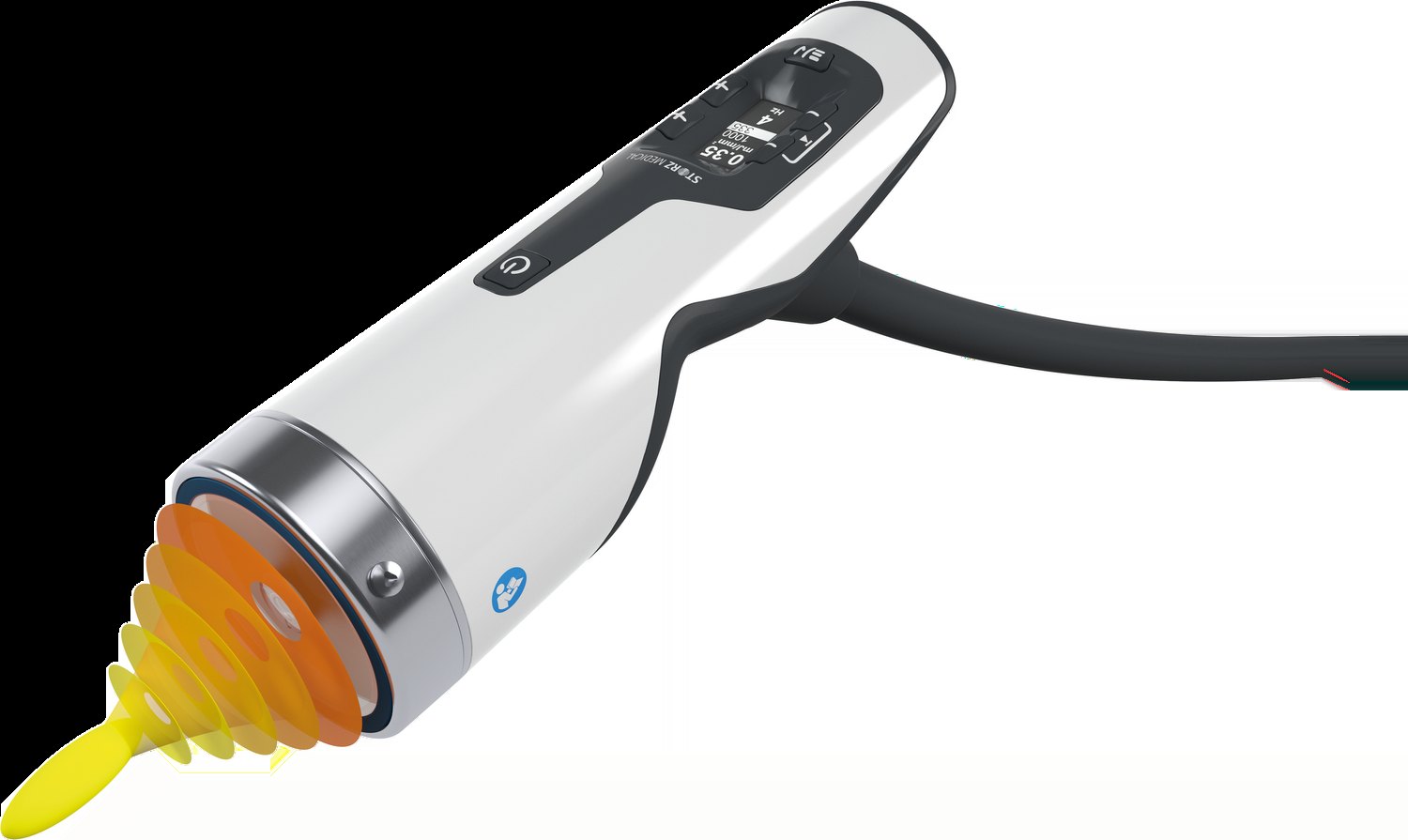
A note on the equipment: the focused shockwave, radial pressure wave, and EMTT devices used in our office are made by STORZ Medical and distributed in the United States by CuraMedix.
Frequently Asked Questions
How many shockwave sessions will I need?
Most effective programs run about six sessions spaced weekly. That spacing gives your body time to respond biologically while the healing effect builds from visit to visit. Skipping sessions or under-dosing late in the course can limit your results.
Why doesn't shockwave therapy relieve pain immediately?
Because it is a biological treatment, not a passive pain reliever. It restarts stalled healing, so results are cumulative, mild soreness is normal, and improvement usually comes on gradually over the course rather than after a single visit.
What makes shockwave therapy actually work?
Three things: dose (enough energy to stimulate healing without overwhelming the tissue), pressure and depth (matched to whether the target is a superficial tendon or a deep structure), and precise location (treating the true source of the problem, not just the spot that hurts).
Is soreness after shockwave normal?
Yes. Mild soreness, similar to how you feel after a workout, is common and often a sign that tissue remodeling has started. It is not a setback. Knowing this ahead of time is one reason informed patients tend to complete their plan and get better outcomes.
Should I take anti-inflammatories during shockwave treatment?
Generally no. Because shockwave works by stimulating a healing and inflammatory response, NSAIDs like ibuprofen can blunt the effect. That is why they are typically avoided during the treatment course, with heat, hydration, and gentle movement used to support healing instead.
Related conditions & treatments
Not sure what you're dealing with?
A thorough evaluation tells me exactly where the load-capacity gap is and what it takes to close it.